

Exploring the Advantages of Packaged Modular Water Treatment and Wastewater Treatment Solutions
As communities grow, industries expand, and regulations evolve, the demand for flexible, efficient, and reliable water and wastewater treatment infrastructure continues to rise. In recent years, modular water and wastewater treatment solutions have become increasingly popular. Especially for those interested in packaged treatment plants seeking environmental sustainability in their water management plans.
“The modular water and wastewater treatment system market is projected to reach USD 10.1 billion by 2030 . . . “
“Advances in modular technology include . . . membrane filtration, advanced oxidation, and biological treatment . . . “
” . . . modular . . . also allows for efficient monitoring, control, and maintenance of water treatment systems.”
Traditional stick-built treatment plants have long been the standard. Recently, modular, packaged treatment solutions have increasingly become the preferred option for municipalities, developers, utilities, and industrial operators alike.
Modular packaged systems—designed, fabricated, and tested offsite—offer a modern approach to treating both drinking water and wastewater. Although every solution has limitations, custom modular treatment systems deliver benefits that clearly outweigh their challenges.
Introduction to Packaged Modular Water Treatment and Wastewater Treatment Solutions
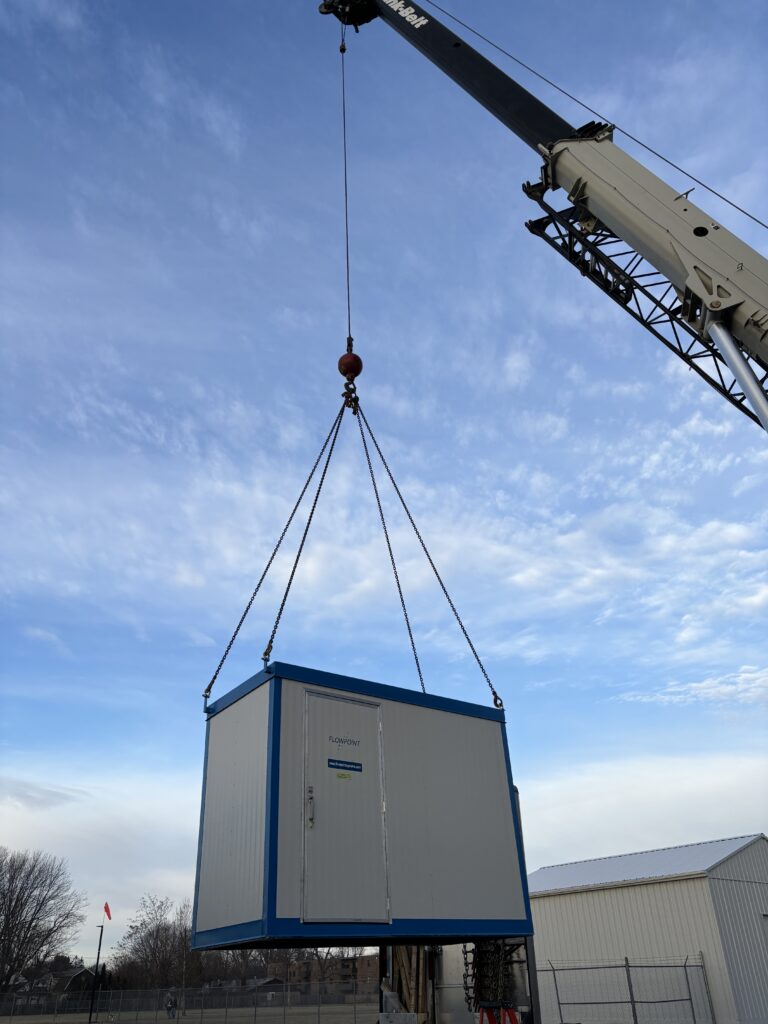
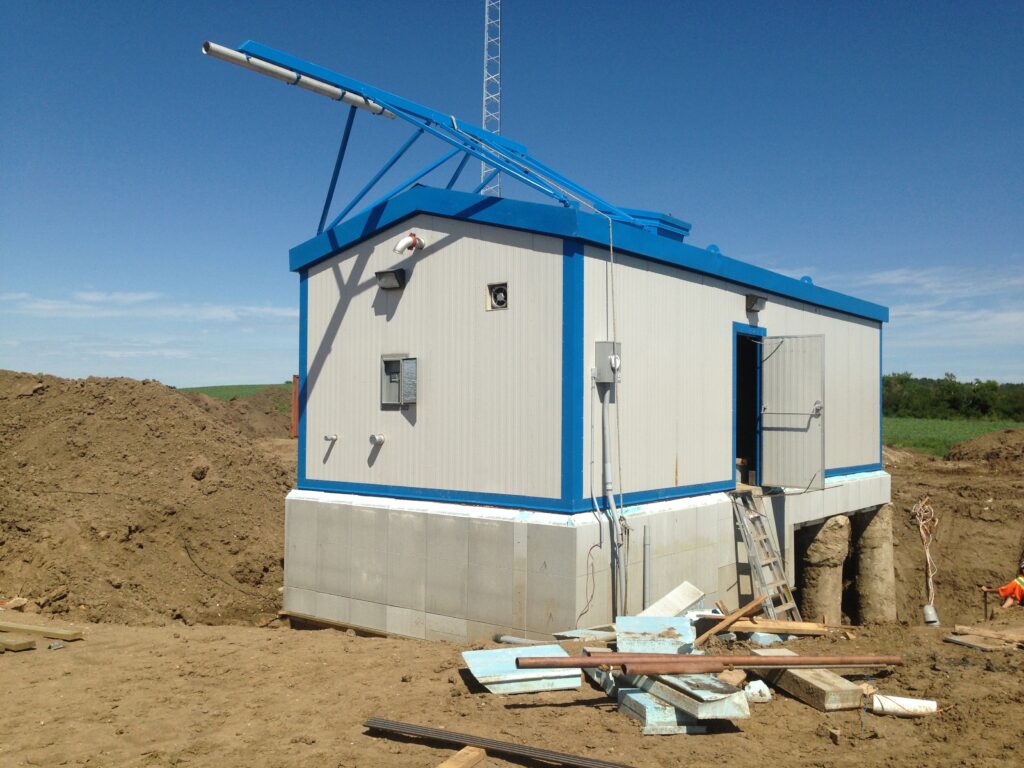
Modular packaged treatment plants are factory-built, self-contained treatment units designed to perform specific water or wastewater processes. These systems can include filtration, clarification, biological treatment, disinfection, pumping, and controls. All assembled into transportable modules, delivered to the site ready for installation.
Municipal drinking water and wastewater treatment plants frequently rely on these systems. Intended for remote or rural communities, industrial and commercial developments, and temporary or emergency treatment needs. All are ultimately seeking environmental sustainability.
Advantages of Modular Packaged Water Treatment Solutions
Scalability and Flexibility
Modular design supports phased growth. Add additional treatment capacity by installing new modules as demand increases, rather than overbuilding from day one. This approach aligns capital investment with actual growth and reduces upfront expenses.
Cost Efficiency
Modular packaged plants usually come with fixed or clearly defined pricing, improving cost certainty. Factory fabrication minimizes weather delays, labor variability, and change orders, providing owners with greater cost certainty and reduced financial risk.
Faster Installation Times
One of the most significant advantages of modular systems is reduced project timelines. Fabrication occurs in parallel with site preparation, enabling projects to move from design to operation much more quickly than in conventional construction. Project teams often complete installation and commissioning within months, not years.
High Quality and Factory-Controlled Construction
Controlled manufacturing environments enable modular systems to meet strict fabrication standards, quality control requirements, and factory acceptance testing before shipment, resulting in higher build quality, smoother commissioning, and long-term reliability. Further, it supports environmental sustainability and benefits your water management activities.
Considerations When Choosing Packaged Treatment Plants
Site-Specific Requirements
Packaged treatment plants require significantly less space than traditional plants. Their compact layout minimizes site work, lowers civil construction costs, and makes them ideal for constrained or remote locations.
Basing packaged systems on standardized designs may limit customization slightly. However, most modern modular platforms offer flexible configurations that meet site-specific process and regulatory requirements.
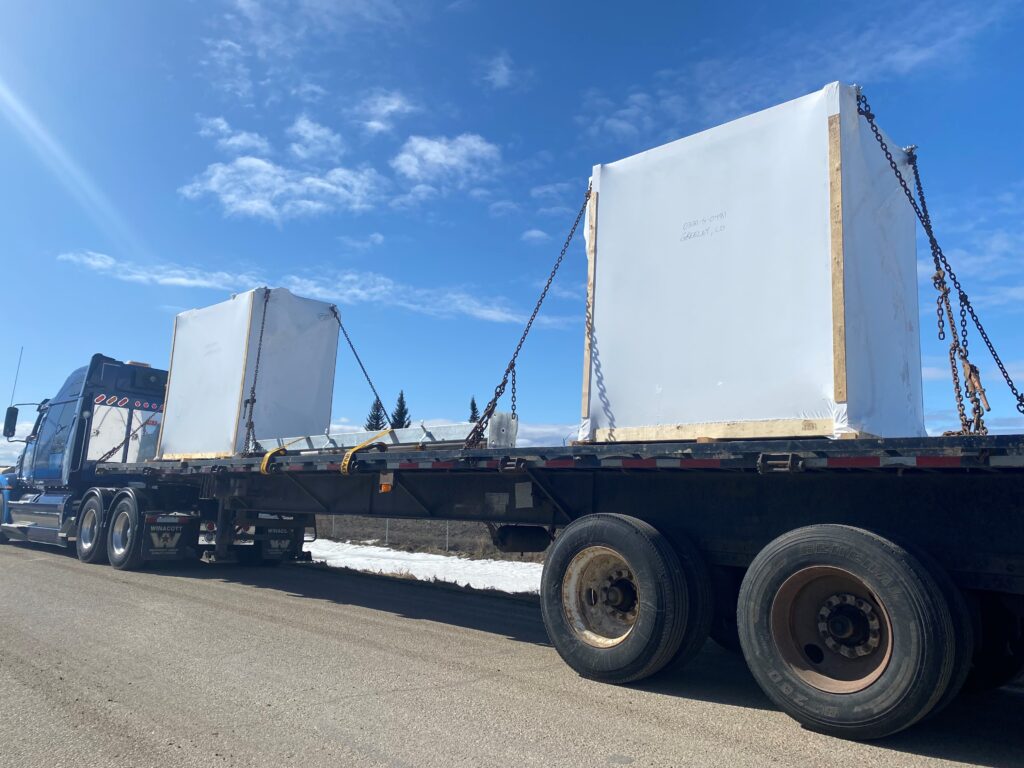
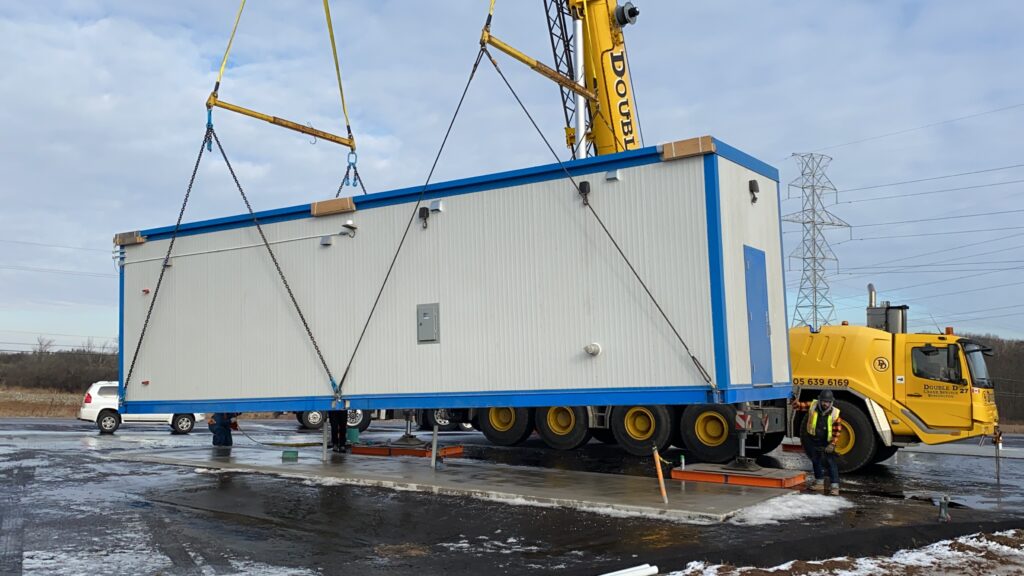
Modules fabricated offsite require transportation logistics and crane access considerations early in the project timeline. With proper planning, these challenges are typically straightforward to integrate into your water management process.
Water Management and Regulatory Compliance
Modern modular facilities often integrate advanced automation, instrumentation, and remote monitoring, easing operations, reducing staffing requirements, and helping ensure consistent regulatory compliance—especially valuable for smaller utilities or remote sites.

Limited Considerations When Selecting Packaged Treatment Plants
While modular packaged treatment systems offer significant advantages, there are considerations to evaluate during planning.
Environmental Sustainability: Capacity Considerations for Very Large Systems
A solid understanding of site conditions, long-term capacity needs, regulatory requirements, and operational expectations is essential. To ensure the selected system delivers optimal performance throughout its lifecycle. Early coordination between owners, engineers, and equipment suppliers helps address potential constraints and ensures the modular solution aligns with both current demands and future growth.
For extremely large municipal treatment flows, traditional stick-built facilities may still present cost efficiencies due to economies of scale and the ability to custom-design large process trains. Packaged treatment plants are generally best suited for small to moderate applications. Where flexibility, speed of deployment, and phased expansion provide the greatest value. However, modular solutions can still serve greater demands and combine multiple treatment modules into a single integrated system. This approach allows capacity to be added in stages as needs evolve. This approach requires careful planning to preserve hydraulic performance, redundancy, and long-term operational efficiency.
Future Trends towards Modular Water and Wastewater Treatment Solutions
Packaged modular water treatment and wastewater treatment solutions provide a practical, resilient, and future-ready approach to infrastructure development. Their speed of deployment, cost predictability, scalability, and operational efficiency make them well-suited for today’s evolving municipal and industrial needs.
When thoughtfully designed and applied, modular systems deliver long-term performance comparable to traditional plants while offering greater flexibility and reduced project risk. For many communities and operators, modular treatment is not just an alternative, but the smarter path forward.
Conclusion
Packaged modular water treatment and wastewater treatment solutions represent a forward-thinking response to today’s infrastructure challenges. As population growth, industrial expansion, and regulatory requirements continue to put pressure on existing systems, modular approaches offer a flexible, reliable alternative to traditional stick-built facilities. Their quick deployment, phased expansion, and predictable costs make them especially attractive to municipalities, utilities, and industrial operators seeking practical, low-risk solutions.
Beyond efficiency and speed, modular systems support smarter water management and align treatment capacity with real-time demand. This phased approach helps organizations avoid overbuilt solutions while maintaining compliance and operational performance. Factory-controlled construction, integrated automation, and standard quality assurance further enhance reliability and long-term value.
Equally important, modular treatment solutions contribute to Environmental sustainability by reducing construction waste. It will also minimize site disturbances and improve energy and resource efficiency through optimized system design. As technology continues to advance, these systems are well-positioned to integrate new treatment processes, digital monitoring tools, and regulatory upgrades with minimal disruption.
Thoughtfully designed, properly packaged modular treatment plants deliver performance comparable to conventional systems. In comparison, offering a greater, adaptable, and resilient solution. For many communities and industries, they represent not just a viable option, but a strategic investment in sustainable, future-ready water and wastewater infrastructure.