

Planning Modular Wastewater Treatment for Fast-Growing Communities in the Southeast US
Across the Southeast US—especially in Alabama, Mississippi, Georgia, and Florida—growth is happening faster than many communities expected. Highlighting the need for Modular Wastewater Treatment Solutions. New residential developments, industrial parks, and mixed-use projects are pushing beyond existing sewer service areas. While small and mid-sized utilities are under pressure to add capacity without taking on outsized financial or operational risk, they are investigating modular wastewater systems.
“The South had the fastest median growth rate in 2024 and was the only region that had more residents move in from other parts of the country than moved out. The region has been the fastest-growing since 2021….”
“Population changes from July 2023 to July 2024 show:“
“Population grew fastest in Florida (2.04 percent)….”
For developers and municipalities alike, wastewater treatment is no longer just an engineering problem. Instead, it has also become a planning, financing, and scheduling problem. At the same time, engineers need to design systems that can move quickly today while still making sense five, ten, or twenty years from now.
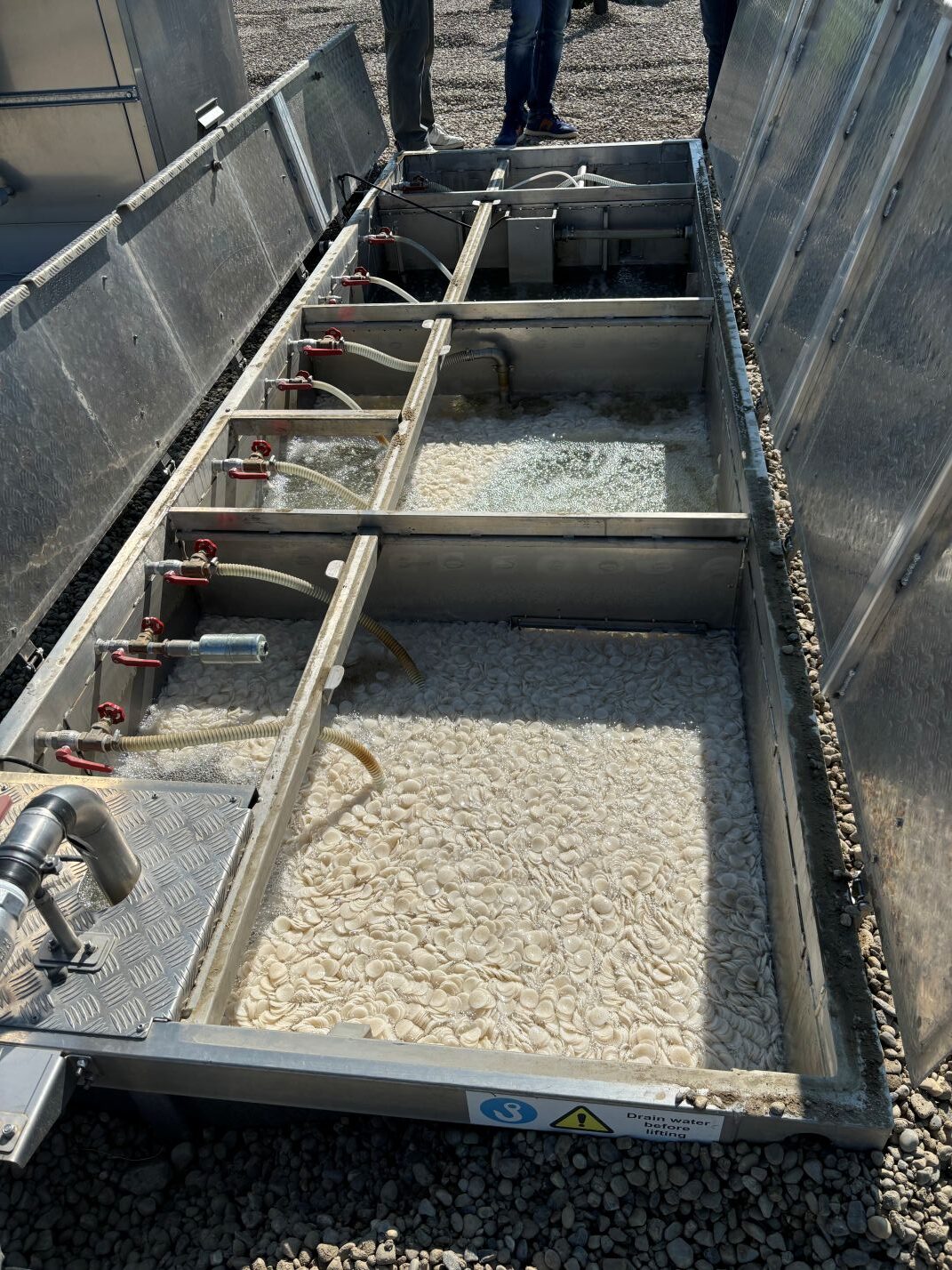
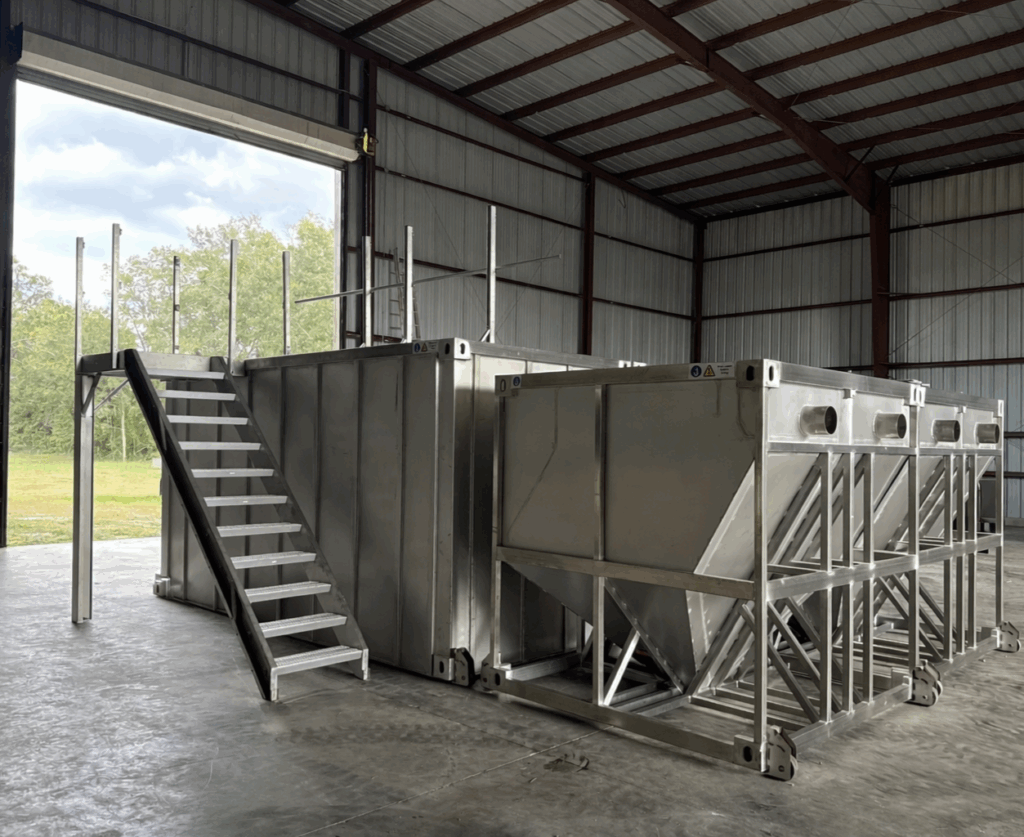
Modular wastewater treatment systems, like those manufactured by Flowpoint, have become an increasingly practical option for meeting these shared goals. When planned and specified thoughtfully, modular wastewater treatment solutions allow communities to grow in phases, reduce upfront capital exposure, and avoid the “build it all now” trap that often strains budgets and operations.
Why Modular Wastewater Treatment Solutions Align With Growth Reality
Traditionally designed wastewater plants are typically for a single future condition: full build-out. In fast-growing areas, that approach can create two problems—overspending early or falling behind demand.
A point often overlooked is that modular treatment offers a middle path. For developers, a modular wastewater system can:
- Enable projects to move forward without waiting years for centralized plant expansions
- Reduce upfront capital by matching capacity to near-term occupancy
- Provide predictable construction schedules that align with development timelines
For municipalities, modular wastewater treatment can:
- Add capacity incrementally without committing to oversized facilities
- Extend service to growth areas while preserving long-term planning flexibility
- Limit operational risk by relying on standardized, repeatable treatment components
Engineers play a key role in translating these goals into systems that are technically sound, permittable, and expandable. Additionally, you should provide a suitable solution that does not lock the owner into rigid assumptions.
Introduction to Modular Wastewater Treatment
Planning for Uncertain Growth (Because Growth Is Rarely Linear)
One of the most important conversations developers, municipalities, and engineers can have early is about uncertainty. In the Southeast, growth often comes in waves—new subdivisions fill faster than expected, industrial tenants arrive later than expected, or seasonal populations create short-term surges.
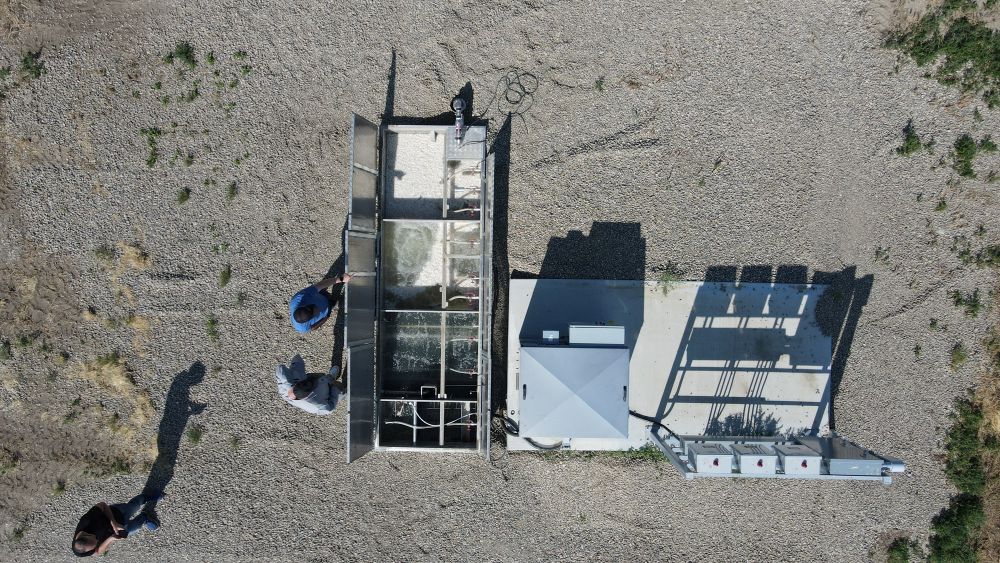
Rather than designing around a single “forecast,” modular wastewater treatment allows teams to plan in phases:
- Phase 1: Capacity sized for early occupancy or near-term development
- Future Phases: Additional treatment modules added as flows and loads increase
This phased approach reduces financial risk while ensuring that infrastructure keeps pace with real demand. Engineers can design the treatment process and site layout so that future expansion is straightforward—adding parallel modules rather than rebuilding entire systems.
Permitting and Modular Wastewater Systems: Quality Still Drives the Design
While modular systems offer flexibility, regulatory compliance remains non-negotiable. In Alabama, Mississippi, Georgia, and Florida, permits may include limits for BOD, TSS, ammonia, nutrients, bacteria, and disinfection—often influenced by sensitive receiving waters such as springs, rivers, and coastal estuaries.
For municipalities and developers, the key takeaway is this:
Modular does not mean temporary or lower quality.
Well-designed modular systems can meet the same effluent limits as conventional plants when configured to:
- Incorporate nutrient reduction where required
- Support future permit tightening without major reconstruction
- Integrate proven disinfection methods such as UV or chlorination/dichlorination
Engineers meet today’s permit requirements, while preserving the ability to adapt as regulations evolve—an especially important consideration in environmentally sensitive regions.
Designing for Resilience in the Southeast
Weather and site conditions in the Southeast add another layer of complexity. Early considerations should include heavy rainfall, hurricanes, high groundwater levels, and coastal corrosion.
Specify modular wastewater treatment systems to:
- Integrate with standby power and emergency operation plans
- Withstand flooding and wind exposure
- Handle wet-weather flow surges more gracefully
These considerations are especially important for municipalities planning infrastructure that must perform reliably for decades—and for developers who want to minimize long-term risk to their projects.
Schedule and Constructability Matter to Everyone
One reason modular wastewater treatment solutions are gaining traction in the Southeast is speed. Factory-built systems can reduce onsite construction time, limit weather-related delays, and deliver projects more predictably.
For developers, this can mean:
- Shorter timelines from approval to occupancy
- Reduced the risk of utility infrastructure delaying project milestones
For municipalities, it can mean:
- Faster response to capacity constraints
- Less disruption to existing operations during expansion
Engineers benefit from working with standardized, pre-engineered systems that still allow for site-specific customization—balancing efficiency with sound design.
Operational Simplicity Is a Long-Term Win
Small or mid-sized utilities serve many fast-growing communities with limited staffing. A system that looks good on paper but is difficult to operate can quickly become a liability.
Design modular systems with:
- Automated controls and monitoring
- Standardized equipment and spare parts
- Clear operating modes for normal and peak conditions
For municipalities, this can translate into lower training burdens and more consistent performance. For developers, it reduces the risk that operational issues will affect downstream project phases. Engineers, meanwhile, can focus on designing systems that are robust, understandable, and maintainable—not just theoretically efficient.
Conclusion and Future Directions
A Shared Platform for Growth
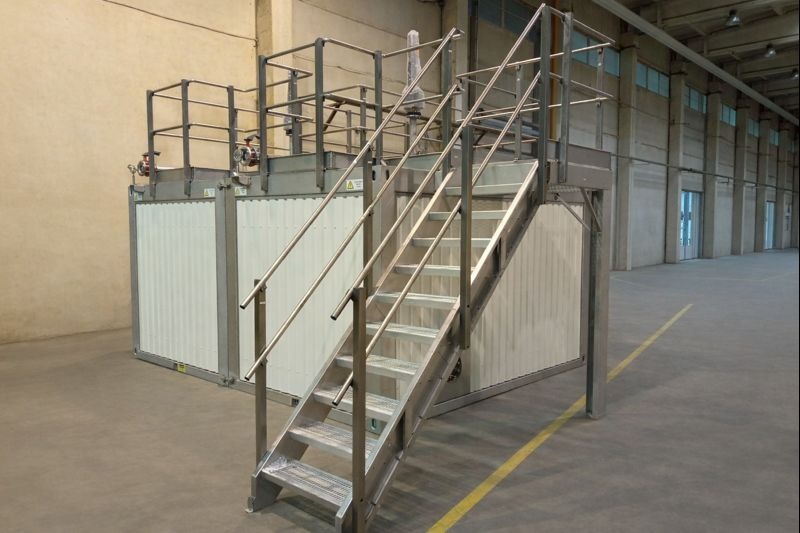
At their best, modular wastewater treatment systems become a shared platform—one that aligns the interests of developers, municipalities, and engineers. Developers gain speed and financial flexibility. Municipalities gain scalable, compliant infrastructure. Engineers gain a framework that supports good design today and adaptability tomorrow.
In a region growing as quickly and unpredictably as the Southeast, that alignment is often what turns a wastewater challenge into a successful, sustainable project.
When carefully engineered, modular wastewater treatment plants can achieve performance on par with traditional systems, while providing a more flexible and resilient approach. For municipalities and industrial users alike, these systems go beyond being an alternative—they are a strategic, forward-looking investment in sustainable and adaptable water and wastewater infrastructure.