
Above-Ground Water Storage Solution: Choosing the Right Solution for Your Community
Reliable above-ground water storage solutions are essential for public health, fire protection, and long-term Growth, culminating in effective community water management. For small and rural municipalities, the type of storage system selected significantly impacts water pressure, regulatory compliance, operating costs, and long-term resilience.
Most communities evaluating new or upgraded infrastructure consider three primary options:
- Above-ground water storage tanks
- Elevated water towers
- Underground reservoirs
Equally, each solution offers unique advantages depending on budget, geography, and system requirements.
Above-Ground Water Storage Tanks: Flexible and Cost-Effective
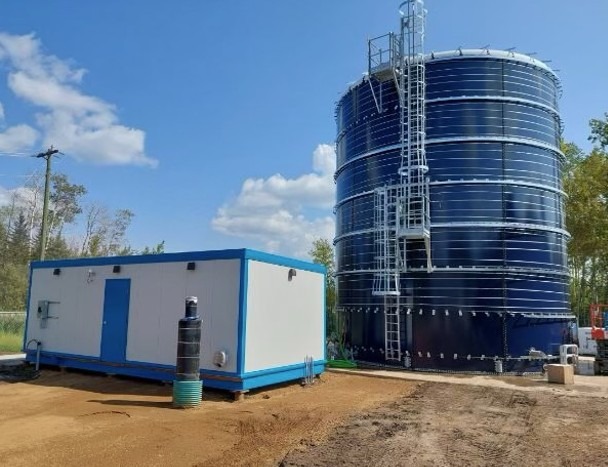
Not surprisingly, above-ground water storage tanks are often the most practical choice for small to mid-sized communities. Manufacturers build these tanks from steel, fiberglass, or polyethylene and install them on engineered pads or foundations for fast deployment.
Advantages
Lower Capital Cost
Above-ground systems generally require less excavation and structural engineering than water towers or underground reservoirs, reducing upfront investment.
Faster Installation
Ground-level storage can often be installed and commissioned within weeks, generally making it ideal for communities responding to growth or urgent capacity needs.
Simplified Maintenance
Exterior access makes inspection, cleaning, and repairs easier than in confined-space underground systems or elevated structures.
Scalability
Above-ground tanks allow easier expansion and supplementation, supporting phased infrastructure planning.
Considerations
Because they sit at ground level, these tanks do not create gravity-fed pressure. Booster pumps and pressure management systems are required to maintain consistent PSI throughout the distribution network.
In colder climates, insulation and heating systems may be necessary to prevent freezing. In warmer regions, temperature management supports water quality stability. Visual impact may also be a factor in residential or high-visibility areas.
When paired with integrated pump stations and automated controls, above-ground storage becomes a highly efficient and reliable solution.
Water Towers: Proven Gravity-Fed Performance
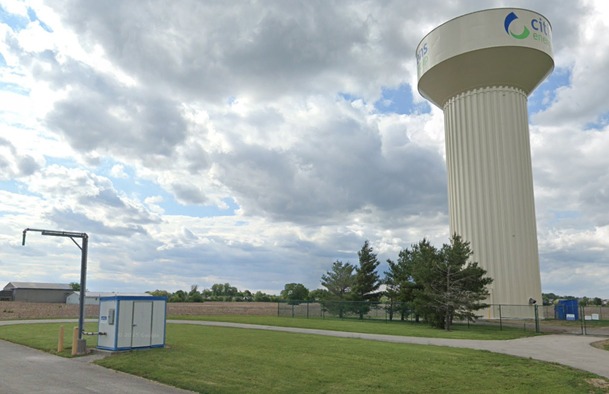
Water towers store water at elevation, using gravity to create natural distribution pressure. Depending on height, towers can provide 20–65 PSI without continuous pumping.
Benefits
- Consistent system pressure
- Reduced reliance on pumps during normal operation
- Continued water delivery during power outages
- Strong fire flow capability
Challenges
Water towers require substantial structural engineering, foundations, and specialized construction. Initial capital costs are significantly higher than ground-level storage. Long-term maintenance also adds expense. Inspections, coating systems, and structural repairs require specialized contractors. In colder climates, heating systems are necessary to prevent freezing at elevation.
While towers provide reliable performance, many small communities find that modern pump systems paired with ground-level storage can deliver similar pressure with greater flexibility.
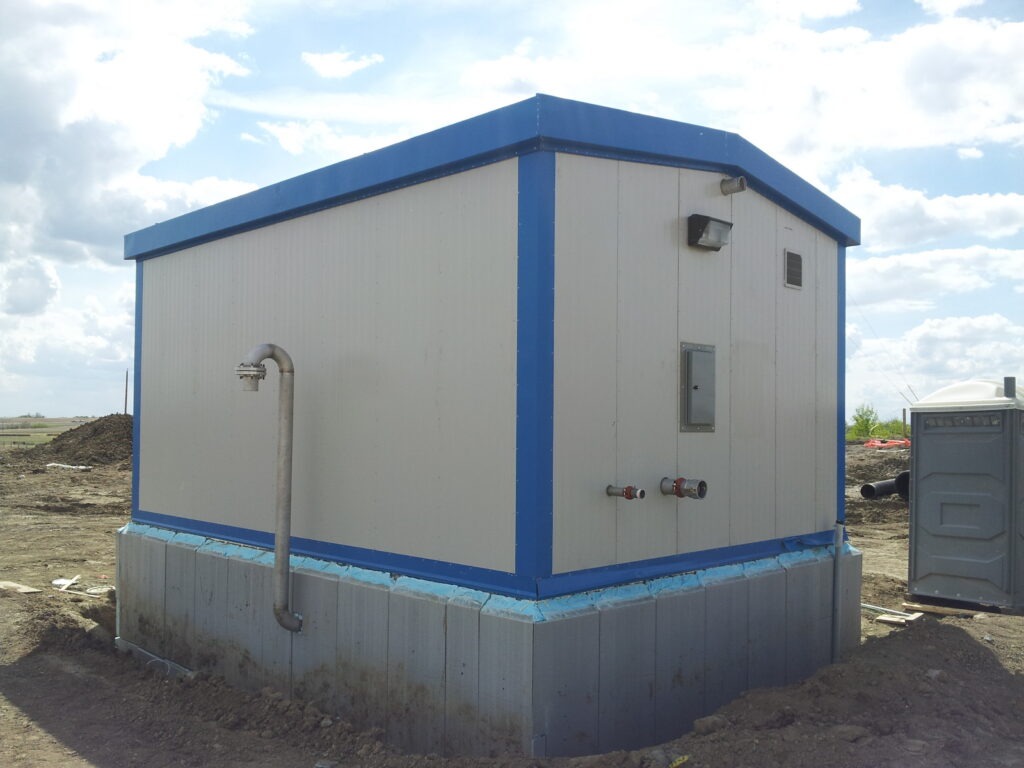
Underground Reservoirs: Hidden Infrastructure
Engineers select underground storage systems, including buried concrete reservoirs and tanks, when aesthetics or land constraints drive the decision.
Advantages
- Stable subsurface temperatures
- Reduced freezing risk
- Preservation of surface land
- Minimal visual impact
Limitations
Installation can be complex and costly due to excavation, soil stabilization, and groundwater management. Maintenance requires confined-space entry procedures and specialized safety protocols. Leak detection and groundwater infiltration risks also require careful engineering and ongoing monitoring.
Underground systems can be effective in specific environments, but they typically involve higher upfront costs and more complex maintenance.
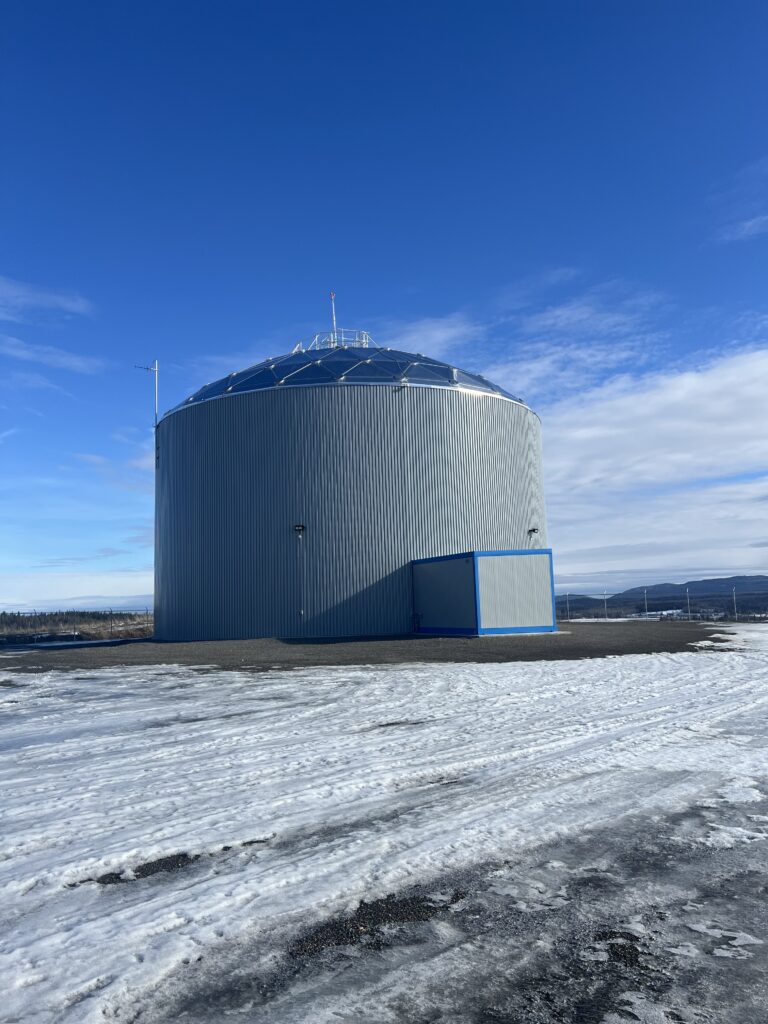
Modern Above-Ground Water Storage Solutions: Beyond the Tank
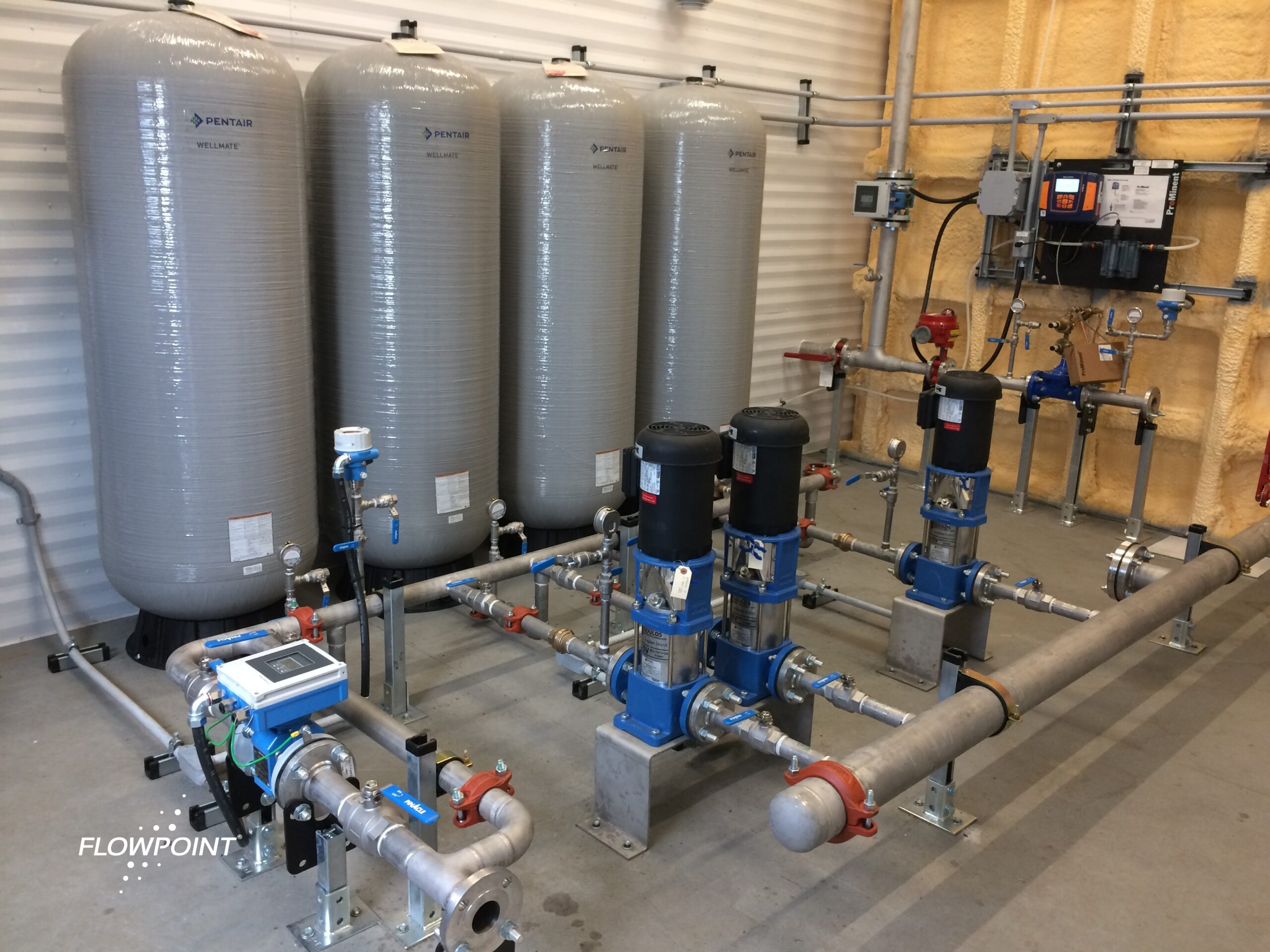
Today’s municipal water systems require more than storage alone. Communities benefit most when storage integrates with pumping, treatment, automation, and remote monitoring.
Flowpoint Environmental Systems designs and manufactures modular, automated water and wastewater infrastructure solutions tailored to municipalities and utilities across North America. Particularly, our systems combine storage with intelligent control to improve reliability and efficiency.
Integrated Disinfection and Monitoring
Maintaining proper disinfectant residuals is critical for compliance and public safety. Therefore, modern integrated systems include:
- Automated chlorine dosing
- Real-time disinfectant monitoring
- PLC-based control panels
- Remote alarm notifications
Flowpoint’s FUSION™ cloud platform enables operators to monitor tank levels, pump performance, chlorine residuals, and system alerts from any connected device. Using software in this way reduces manual oversight while improving response time.
Advanced Pumping and Pressure Management
For community water management plans incorporating above-ground storage, pressure management is especially essential. Integrated solutions may include:
- Variable frequency drive (VFD) pumps that adjust to demand
- Pressure-reducing and sustaining valves
- Multi-zone pressure control for varied elevations
- Energy-efficient pump configurations
These technologies maintain consistent system pressure while reducing energy consumption, extending the life of the distribution infrastructure.
Emergency Preparedness
Resilient water infrastructure incorporates:
- Backup power integration
- Automatic transfer switches
- Emergency truck fill connections
- Remote diagnostics and technical support
Modular packaged systems protect critical components in weather-resistant enclosures and enable faster installation than traditional site-built facilities.
Choosing the right water storage strategy by selecting the best solution requires evaluating several key factors:
- Budget and Funding – Balance initial capital cost with long-term maintenance and operational expenses.
- Geographic Conditions such as climate, soil composition, groundwater levels, and available land influence system design.
- Regulatory Requirements – Fire flow standards, storage minimums, and state drinking water regulations impact capacity planning.
- Future Growth with expandable, modular systems support phased development.
- Operational Capacity via automation and remote monitoring reduces staff burdens and simplifies ongoing maintenance.
For many small and rural communities, above-ground water storage combined with both modular pump stations and automated controls offers the strongest balance of affordability, scalability, and performance.
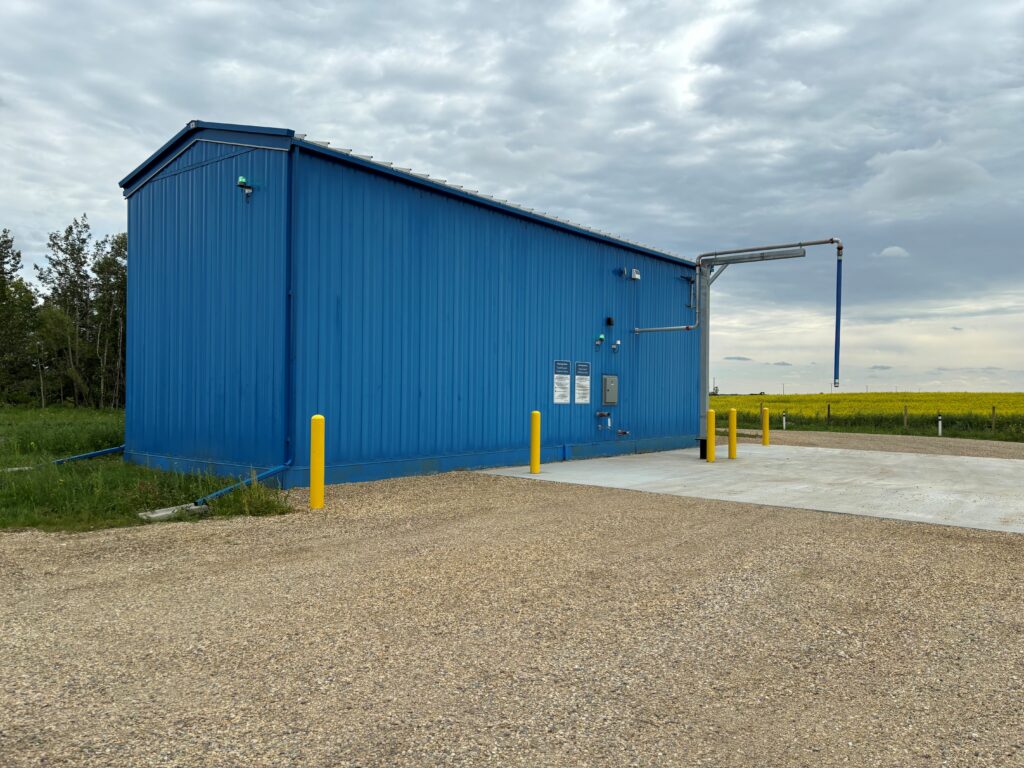
The Flowpoint Advantage for Community Water Management
Flowpoint Environmental Systems designs, engineers, manufactures, and supports custom, modular water infrastructure solutions, including:
- Above-ground water storage
- Pump stations
- Chlorination and treatment systems
- Cloud-based FUSION™ monitoring
- Emergency-ready modular design
By integrating storage with automation and smart controls, Flowpoint delivers large-utility capabilities in scalable systems designed specifically for small and mid-sized communities. Water storage decisions shape system performance for decades. With the right engineering approach and integrated infrastructure strategy, communities can ensure safe, reliable water service while controlling long-term costs and supporting future Growth.
If your municipality is evaluating above-ground water storage or planning a system upgrade, Flowpoint can help design a solution tailored to any community water management needs.