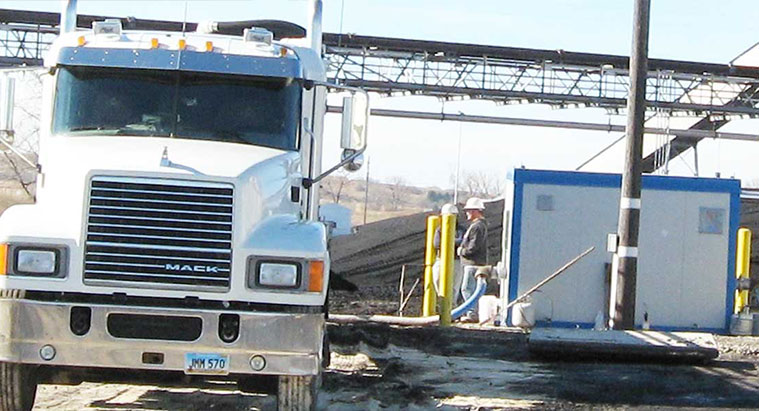
Maintaining compliance enables haulers to operate in accordance with EPA land disposal standards. Further, it permits them to discharge at one of the many regional sewage treatment plants available to them. These plants often incorporate a dedicated septic receiving station designed to support efficient, regulated, and environmentally responsible processing of septage.
Septage receiving consistently impacts overall plant performance. By implementing a dedicated station specifically designed for septic receiving, facilities can better manage incoming loads. Additionally, you can reduce operational disruptions and mitigate many issues that can negatively affect treatment efficiency.
According to an article in WaterWorld magazine, “Septic Receiving Station” gives municipalities a way to manage waste generated within their jurisdictions. Such a station protects its own systems and the environment. With these systems, operators actively track waste from its source and control which materials enter the facility.
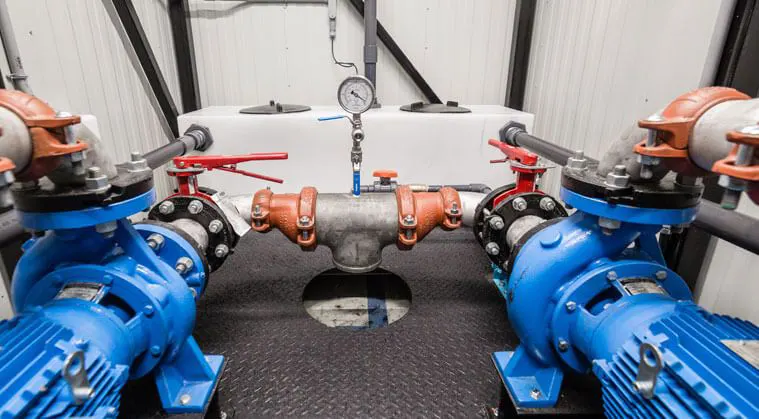
Septic Receiving Station Equipment
Treatment facilities rely on a range of sewage-receiving equipment, depending on capacity, regulatory requirements, and operational goals. At a minimum, most facilities include essential components such as a receiving valve, a control unit, and a screening device to protect downstream processes. Efficient management of this equipment is critical to daily operations, especially at sewage receiving stations.
These facilities require reliable processing and precise flow control.
Facilities with advanced or high-volume systems often incorporate additional components to enhance oversight and performance. These components include solids conditioning grinders, flow measurement devices, pH monitors, and supporting instrumentation. Many plants pair grinders with well-matched control systems. This combination provides a more effective way to regulate hauler loads. Thus, protecting infrastructure and maintaining consistent processing conditions.
Streamline your administrative activities for your sewage receiving station with our Septage+ Software.
Significantly reduce administrative paperwork with our septic receiving station software. Customers can manage routine account activities through a secure, cloud-based portal that brings everything together in one streamlined location.
Through the portal, customers can enroll in automatic invoicing, set up prepaid accounts, and add funds remotely. Giving them near-instant access at every septic receiving facility. With just a few clicks, they can pull detailed usage reports whenever they need them, without phone calls or delays. The result is a seamless self-service experience that reduces back-and-forth. Further reduces manual processing and improves billing and reporting accuracy.
From an internal operations standpoint, the portal centralizes user management, sewage receiving station access control, and customer account administration. Providing you with full visibility and audit-ready data. Teams can generate standardized usage reports in seconds, with custom export capabilities available at deployment. Or at any point to ensure a clean data export that imports easily into your existing billing systems.
By replacing paper forms, email threads, and duplicate data entry with a single system, staff can complete updates more quickly and consistently. Teams spend less time on administrative tasks, make fewer errors, respond faster to customers, and focus more on higher-value responsibilities.
Sample and Test
Sewage receiving facilities, also known as wastewater tipping stations, should operate under clearly defined protocols that support sampling and testing of incoming loads. These procedures create a reliable documentation trail while verifying quality and regulatory compliance. By confirming that accepted waste meets required standards, facilities protect treatment processes from disruption. Ongoing testing for pathogens, heavy metals, and other contaminants remains essential to maintaining a safe and compliant operating environment.
Records Management
Many treatment plants are implementing enhanced data-collection systems to meet EPA requirements at sewage-receiving facilities. These regulations require facilities to document septic sources and accurately record discharge volumes. In some cases, plants meet these requirements by issuing haulers magnetic cards that they use to identify themselves at the septage receiving station.
While magnetic cards provide a basic method for hauler identification, this approach comes with inherent limitations and operational drawbacks. Cards can be lost, shared, or damaged, and doing so often creates administrative overhead. As a result, many facilities are exploring more advanced alternatives that improve reliability, accountability, and overall station performance.
After the system confirms the hauler’s identity, it authorizes the discharge, measures the incoming load, and captures relevant data for monitoring and compliance. The system records the total gallons discharged along with the date and time of each transaction, then securely stores this information in a centralized database for billing, reporting, analysis, and long-term accountability.
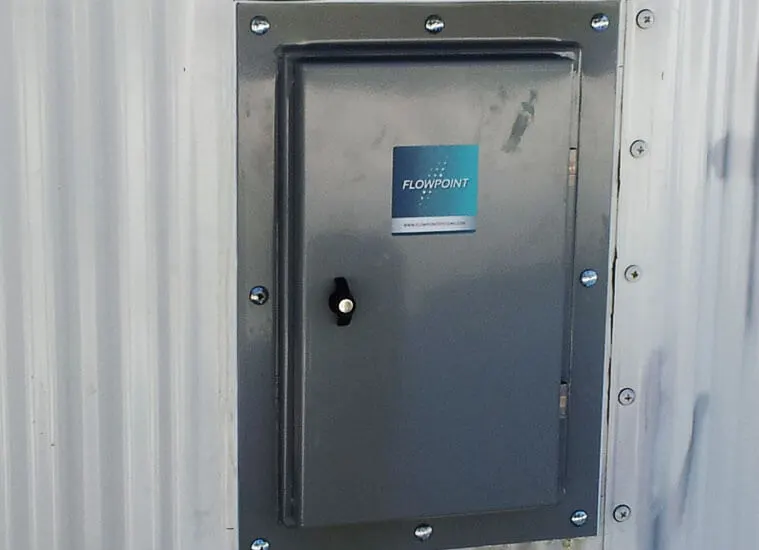
Weather Protected Septic Receiving Station
One ongoing challenge in sewage receiving station operations is managing weather-related conditions. In colder climates, operators must ensure the receiving system remains protected from freezing temperatures, as frozen lines, valves, or tanks can disrupt operations, damage equipment, and cause costly downtime.
Proper weather-proofing is essential to keep all piping, controls, and storage components above freezing, particularly at facilities that rely on an outdoor septic receiving program. Insulation, heat tracing, and enclosure design all play important roles in maintaining reliable performance during winter months.
In warmer environments, heat exposure can also affect system reliability. Controllers and sensitive electronics should be installed in shaded or protected locations to limit direct sunlight and reduce the risk of overheating or premature component wear.
If you would like to learn more about designing a reliable, weather-resilient (sewage) septic receiving station, Flowpoint can help. Contact us today to discuss your operational needs and explore solutions that keep your system running year-round, while improving efficiency, reducing maintenance burdens, enhancing safety, supporting regulatory compliance, and protecting critical infrastructure assets.