
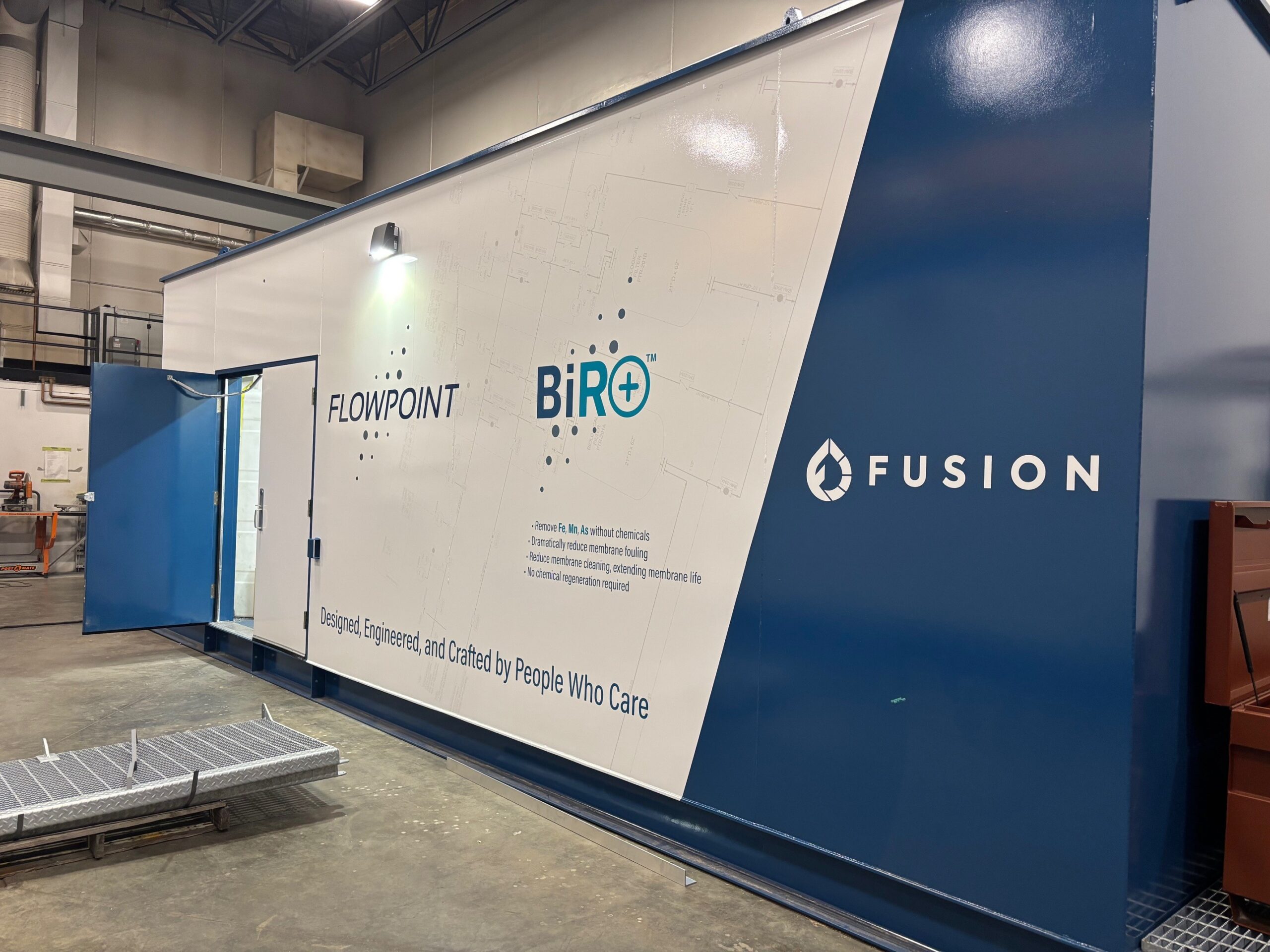
Decentralized vs Centralized Custom-Engineered Water Treatment: Which Is Right for Your Project?
When planning a water treatment system, one of the most important decisions is whether to adopt a centralized or decentralized approach. Both approaches have their place—but choosing the wrong one can lead to higher costs, delays, and long-term inefficiencies. In many cases, a custom-engineered water treatment solution can help bridge the gap by explicitly tailoring the system’s design to the site’s specific needs, regulatory requirements, and future growth. Factors such as population density, available infrastructure, environmental sensitivity, and project timelines all play a role in determining which approach will deliver the best results.
Large urban areas often prefer centralized systems because existing infrastructure supports them, enabling economies of scale and more streamlined management. However, decentralized systems can provide greater flexibility, faster deployment, and cost savings in rural or rapidly developing areas where extending centralized infrastructure is impractical. By carefully evaluating site conditions, lifecycle costs, and operational requirements, project stakeholders can select a solution that not only meets current demands but also adapts to future challenges.
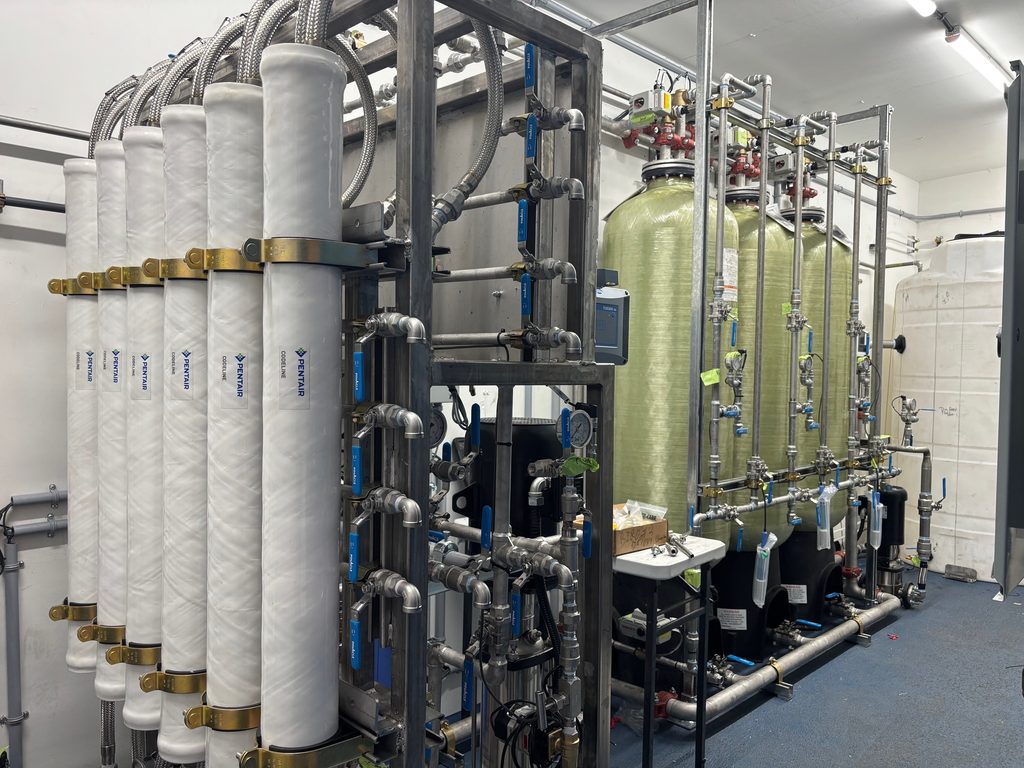
Decentralized Custom-Engineered Water Treatment
Decentralized systems treat water closer to the source—such as at a development site, industrial facility, or small community. Modern decentralized solutions often use modular technologies similar to BiRo+ systems, which enable efficient, scalable treatment without the need for extensive conveyance infrastructure. By handling water onsite or nearby, these systems can significantly reduce the need for long pipeline networks, lowering installation costs and minimizing environmental disruption.
Beyond their flexibility, decentralized custom-engineered water treatment systems get deployed faster than traditional centralized infrastructure, making them well-suited for growing communities, remote locations, and projects with tight timelines. Their modular design also allows for phased expansion as demand increases, helping stakeholders manage costs while maintaining compliance with treatment standards. This adaptability makes decentralized approaches an increasingly popular option in modern water management.
Advantages of Decentralized Systems
1. Faster Deployment
Installing decentralized systems is much faster than traditional plants, especially when using modular designs.
2. Lower Upfront Costs
By eliminating the need for both extensive piping and large-scale facilities, decentralized systems reduce capital expenses.
3. Scalability
Systems expand when demand grows, making them ideal for developing areas.
4. Flexibility
A tailored decentralized system intends to be specific to site requirements and constraints.

Why Decentralized Custom-Engineered Water Treatment Is Gaining Momentum
As communities grow and infrastructure demands further increase, decentralized systems are becoming more attractive. In many regions, development is outpacing the expansion of centralized water networks, creating a need for quick and efficient solutions.
Flowpoint highlights how modular water systems are helping fast-growing communities address these challenges without waiting for large-scale infrastructure expansion.
Challenges of Decentralized Systems
Key Factors to Consider
1. Project Timeline
If speed is critical, decentralized systems often have a clear advantage.
2. Site Location
Remote or rural locations may not have access to centralized water systems.
3. Budget Constraints
Decentralized systems can offer a more cost-effective solution, especially for smaller projects.
4. Regulatory Requirements
Both systems must meet regulatory standards, but decentralized systems may require additional approvals depending on the region.
Hybrid Approaches
In some cases, a hybrid approach may be the best solution. For example:
- Decentralized systems for the initial development phases
- Centralized system integration for infrastructure expansion
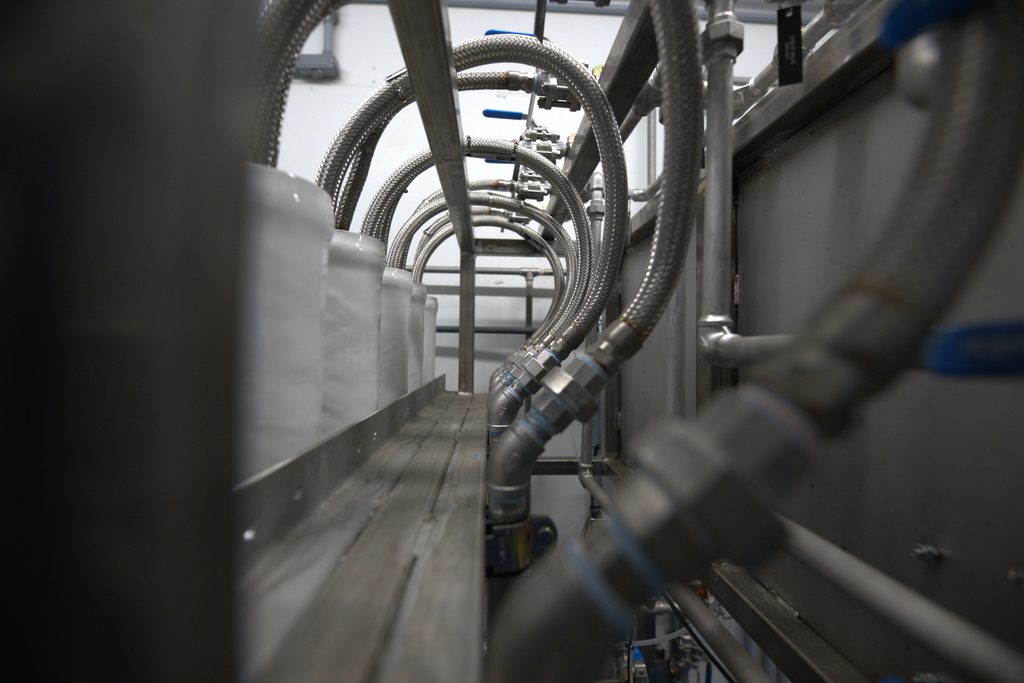
Centralized Custom-Engineered Water Treatment
Before water reaches a single treatment facility, centralized systems connect to regional water conveyance infrastructure across a large area, providing the traditional model for decades. Typically, these systems rely on an extensive network of underground pipes and pumping/booster stations to move water efficiently from central locations for processing and treatment to homes, businesses, and industrial sites.
One of the key advantages of centralized custom-engineered water treatment systems is their ability to handle large volumes of water with consistent treatment standards. Because all water processing occurs at a single facility, operators can more easily monitor performance, maintain regulatory compliance, and implement advanced treatment technologies. This scale often results in lower per-unit treatment costs in densely populated areas, making centralized systems a practical choice for cities and established municipalities.
However, centralized systems also come with significant infrastructure requirements and long-term commitments. The initial capital investment for installing and maintaining distribution networks can be substantial, especially in areas where infrastructure does not already exist. Additionally, expanding these systems to accommodate growth can be complex and costly, often requiring major upgrades or extensions to existing pipelines and treatment facilities.
Advantages of Centralized Systems
- Economies of scale
- Centralized management
- Established regulatory frameworks
Challenges of Centralized Systems
- High capital costs
- Extensive pipe networks
- Long construction timelines
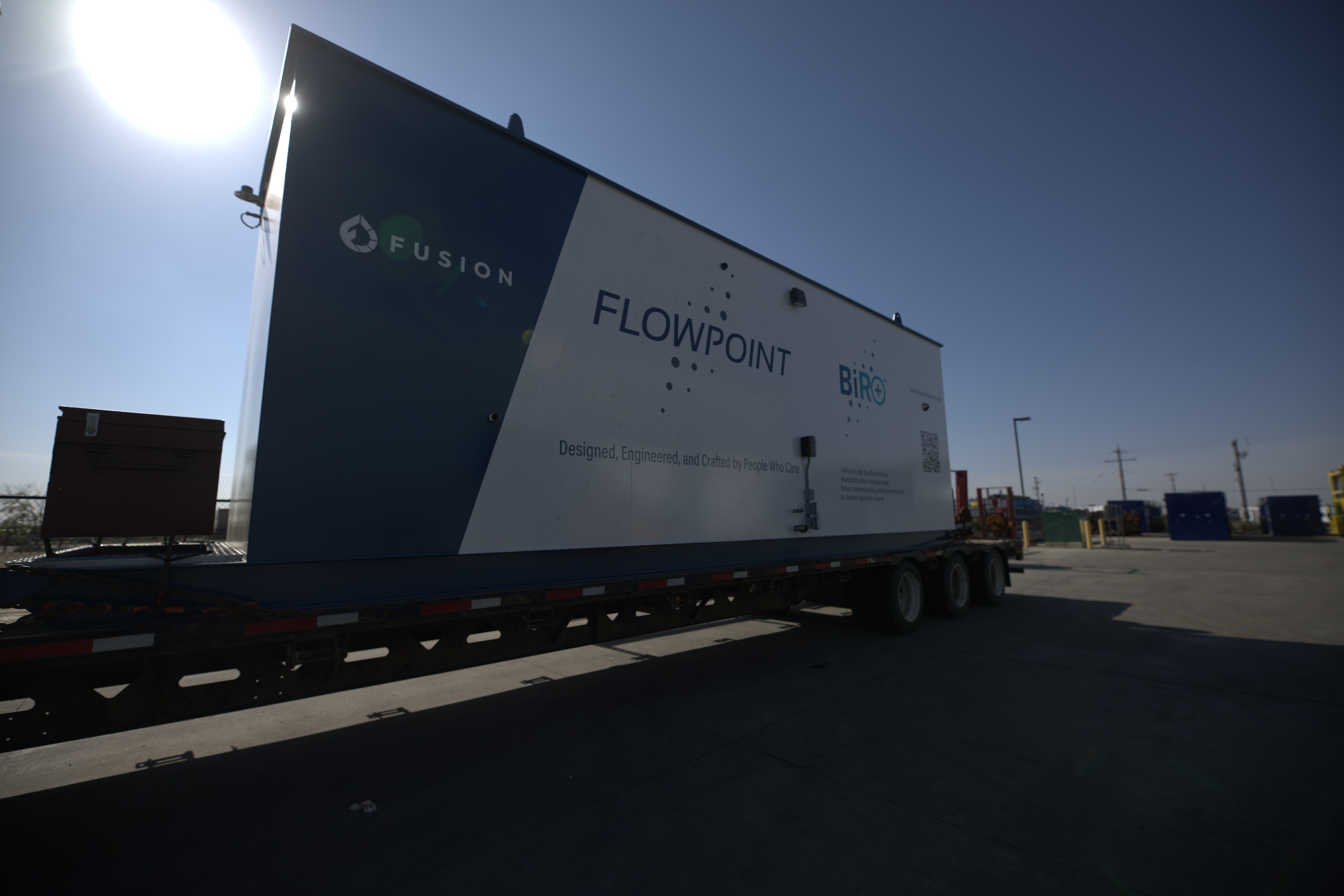
Choosing the Right Custom-Engineered Water Treatment Solution for Your Project
The Role of Technology
Advancements in treatment technology are making decentralized systems more viable than ever. Modern solutions offer:
- High treatment efficiency
- Compact footprints
- Reduced maintenance requirements
For example, BiRO+ systems provide effective treatment in a smaller footprint, making them ideal for decentralized applications.
Making the Right Choice
Finally, there is no one-size-fits-all answer, and the best approach depends on:
- Project goals
- Site conditions
- Budget
- Timeline
Working with experienced providers ensures that your system design meets your specific needs. The choice between centralized and decentralized custom-engineered water treatment is critical.
As infrastructure demands evolve, decentralized solutions are becoming an increasingly important part of the conversation. By understanding the strengths and limitations of each approach, you can make an informed decision that supports both your immediate needs and long-term goals.