-
 Water Treatment
Custom-Engineered Water Treatment
Decentralized vs Centralized Custom-Engineered Water Treatment: Which Is Right for Your Project? When planning a water treatment system, one of the most important decisions is whether to adopt a centralized or decentralized approach. Both approaches have their place—but choosing the wrong one can lead to higher costs, delays, and long-term inefficiencies. In many cases, a…
-
Wastewater
Custom-Engineered Wastewater Treatment
Decentralized vs Centralized Custom-Engineered Wastewater Treatment: Which Is Right for Your Project? When planning a wastewater treatment system, one of the most important decisions is whether to adopt a centralized or decentralized approach. Both approaches have their place—but choosing the wrong one can lead to higher costs, delays, and long-term inefficiencies. In many cases, a…
-
Smart Water System Technology
Smart Water Systems Transform Industry
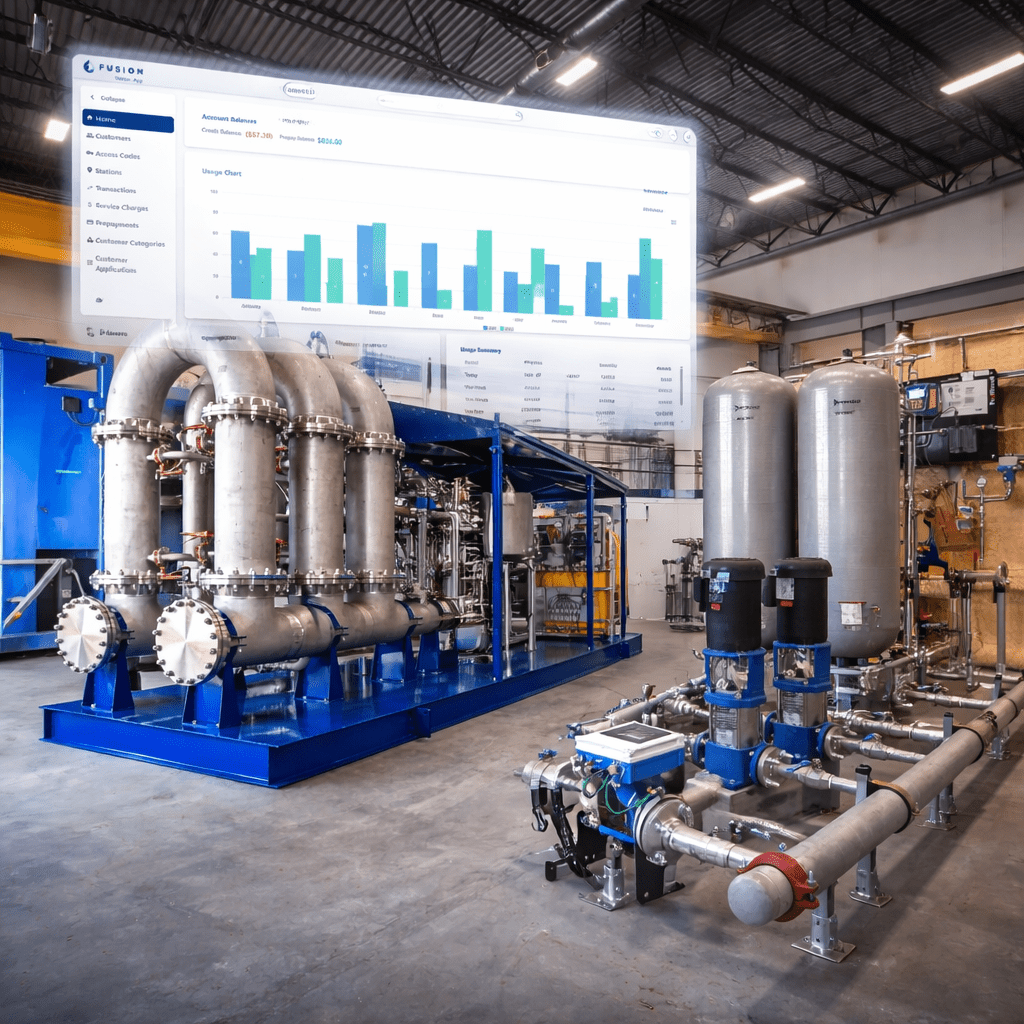
How AI and Cloud Software Are Transforming Municipal Water Technology Municipal water systems and their associated technology are under more pressure than ever. Aging infrastructure, increasing regulatory requirements, limited staffing, and rapid population growth are forcing utilities to rethink how they manage water and wastewater operations. Enter smart water systems to reduce the burden. The…
-
Above Ground Water Storage
Above-Ground Water Storage Solution
Above-Ground Water Storage Solution: Choosing the Right Solution for Your Community Reliable above-ground water storage solutions are essential for public health, fire protection, and long-term Growth, culminating in effective community water management. For small and rural municipalities, the type of storage system selected significantly impacts water pressure, regulatory compliance, operating costs, and long-term resilience. Most…
-
Water Treatment
Modular Water & Wastewater Plants
The Case for Modular Water & Wastewater Plants (And Why Site-Built Is Falling Behind) Municipalities, utilities, developers, and industrial operators must deliver reliable water & wastewater management systems faster, with tighter budgets and fewer available trades. At the same time, compliance expectations and reporting requirements continue to rise. In that environment, the delivery model matters…
-
Bulk Water Dispensing Stations
Automated Bulk Water Dispensing: Ontario
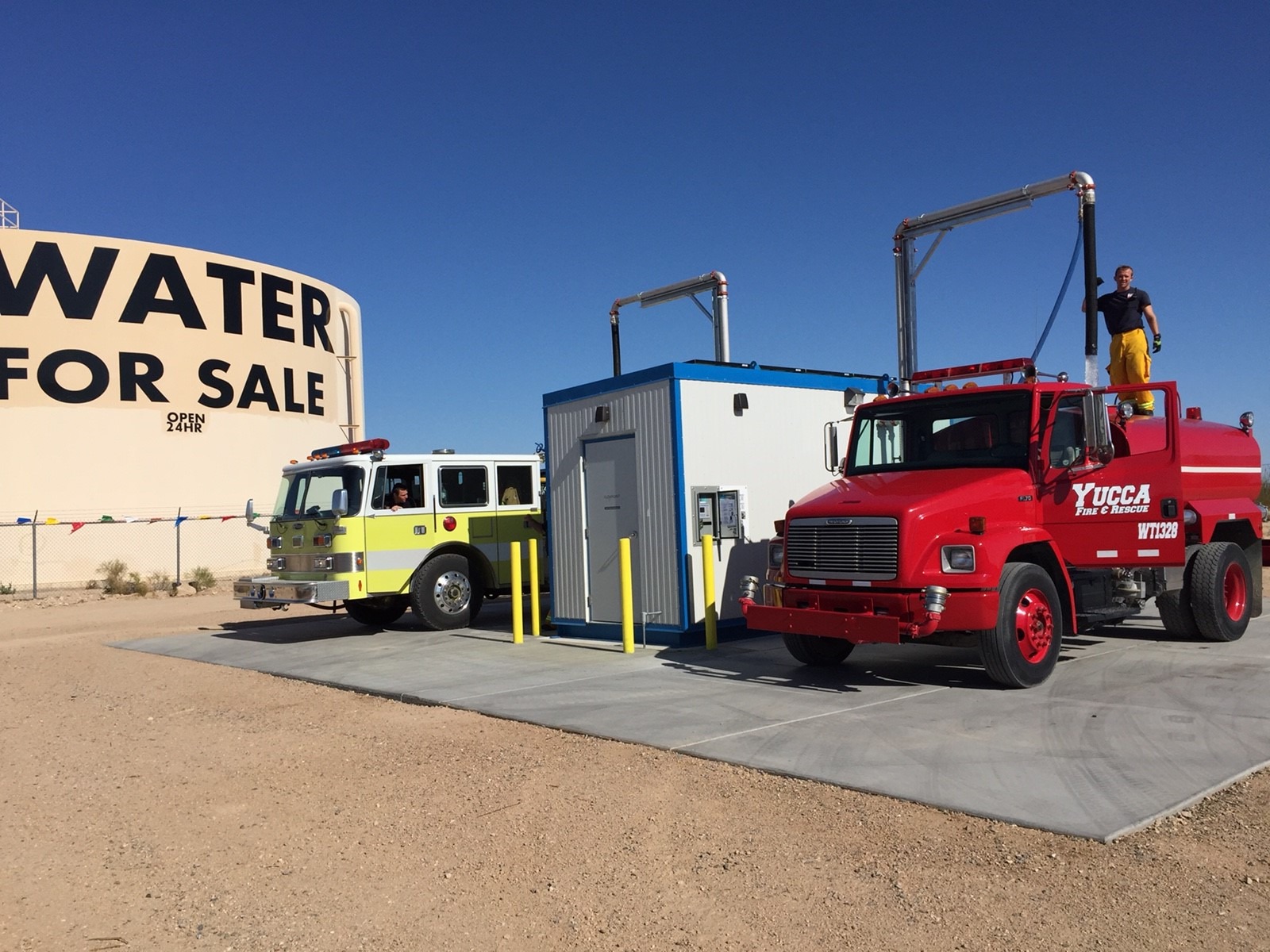
Automated Bulk Water Dispensing Facilities in Southern & Eastern Ontario: What It Is and Why It Matters Across Southern and Eastern Ontario, access to large volumes of potable water is essential for far more than household use. Construction projects, agricultural operations, municipal maintenance, emergency response, and rural communities all generally rely on dependable bulk water…
-
News Release
Planning Modular Wastewater Treatment
Planning Modular Wastewater Treatment for Fast-Growing Communities in the Southeast US Across the Southeast US—especially in Alabama, Mississippi, Georgia, and Florida—growth is happening faster than many communities expected. Highlighting the need for Modular Wastewater Treatment Solutions. New residential developments, industrial parks, and mixed-use projects are pushing beyond existing sewer service areas. While small and mid-sized…
-
Wastewater
Modular Water & Wastewater Advantages
As communities grow, industries expand, and regulations evolve, the demand for flexible, efficient, and reliable water and wastewater treatment infrastructure continues to rise. Traditional stick-built treatment plants have long been the standard, but modular, packaged treatment solutions are increasingly becoming the preferred option for municipalities, developers, utilities, and industrial operators alike.
-
Wastewater
MBBR Systems: For Hawai’i Cesspools
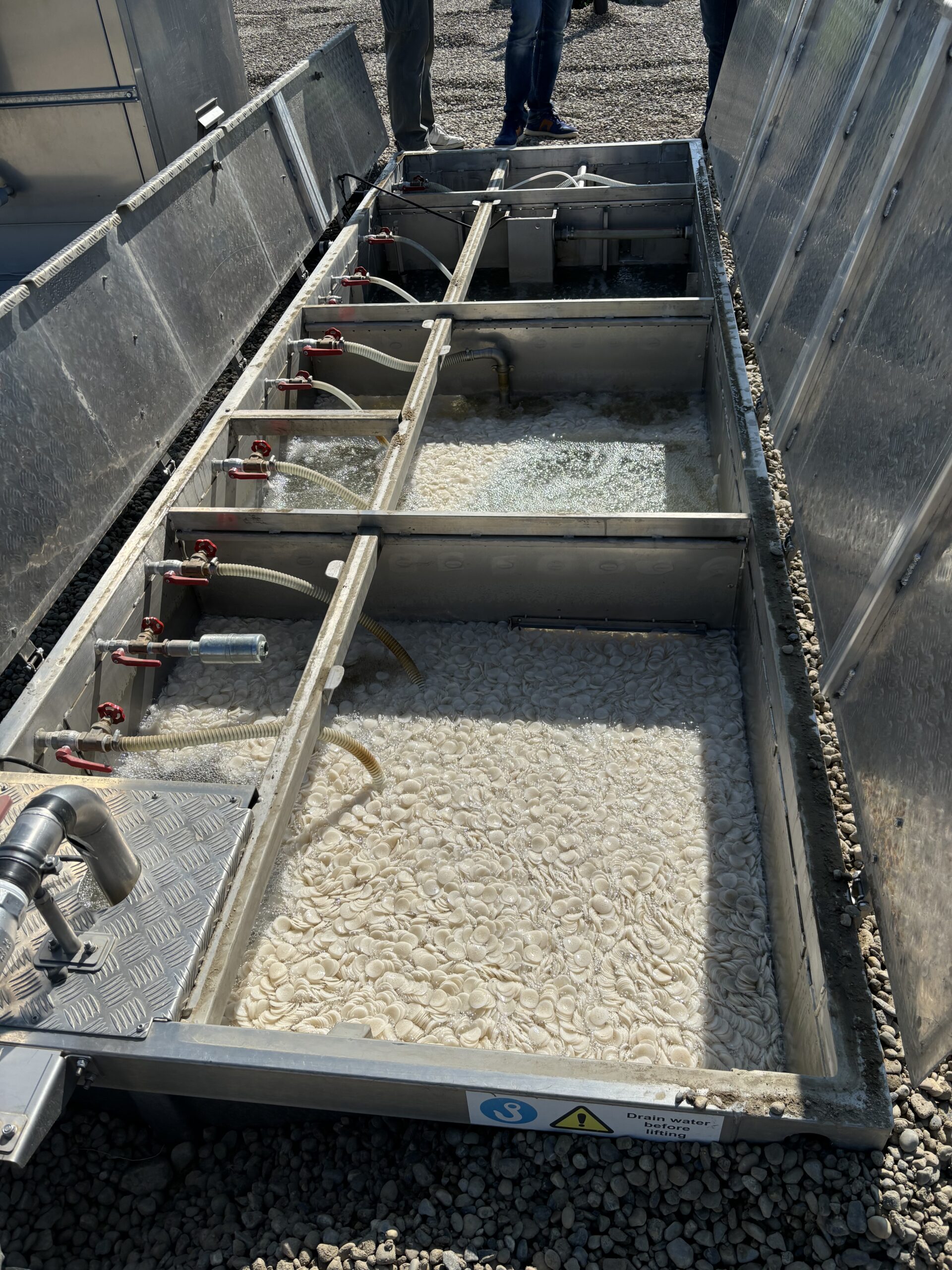
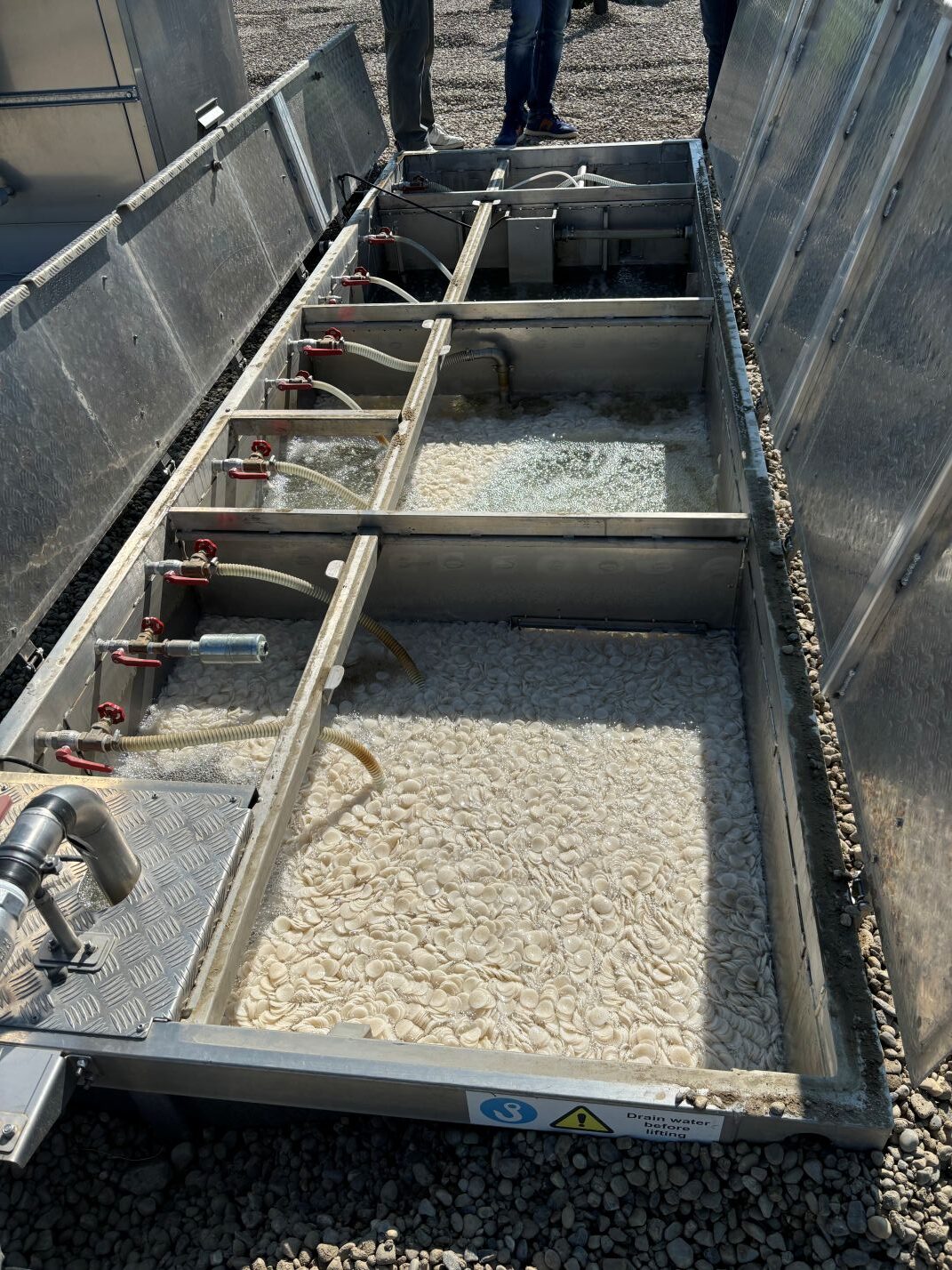
Hawaiʻi faces one of the most urgent onsite wastewater challenges in the United States. Teams are considering MBBR systems to address these issues, which provide operators with not only a packaged but also a decentralized wastewater treatment solution. With tens of thousands of aging cesspools still in use across the Hawai’ian islands, untreated wastewater continues…

NEWS and blogs


Get started
Designed right, built right.
Our professional team is ready to see your project complete smoothly, with quality, and on time. Our legendary customer support is with you all the way. Contact us today and learn how Flowpoint Environmental Systems can help you achieve success.
