
The Case for Modular Water & Wastewater Plants (And Why Site-Built Is Falling Behind)
Municipalities, utilities, developers, and industrial operators must deliver reliable water & wastewater management systems faster, with tighter budgets and fewer available trades. At the same time, compliance expectations and reporting requirements continue to rise. In that environment, the delivery model matters as much as the treatment process. That’s why modular water & wastewater plants, also known as prefabricated water & wastewater treatment, are becoming the smarter choice for many projects.
Introduction to Modular Water & Wastewater Plants
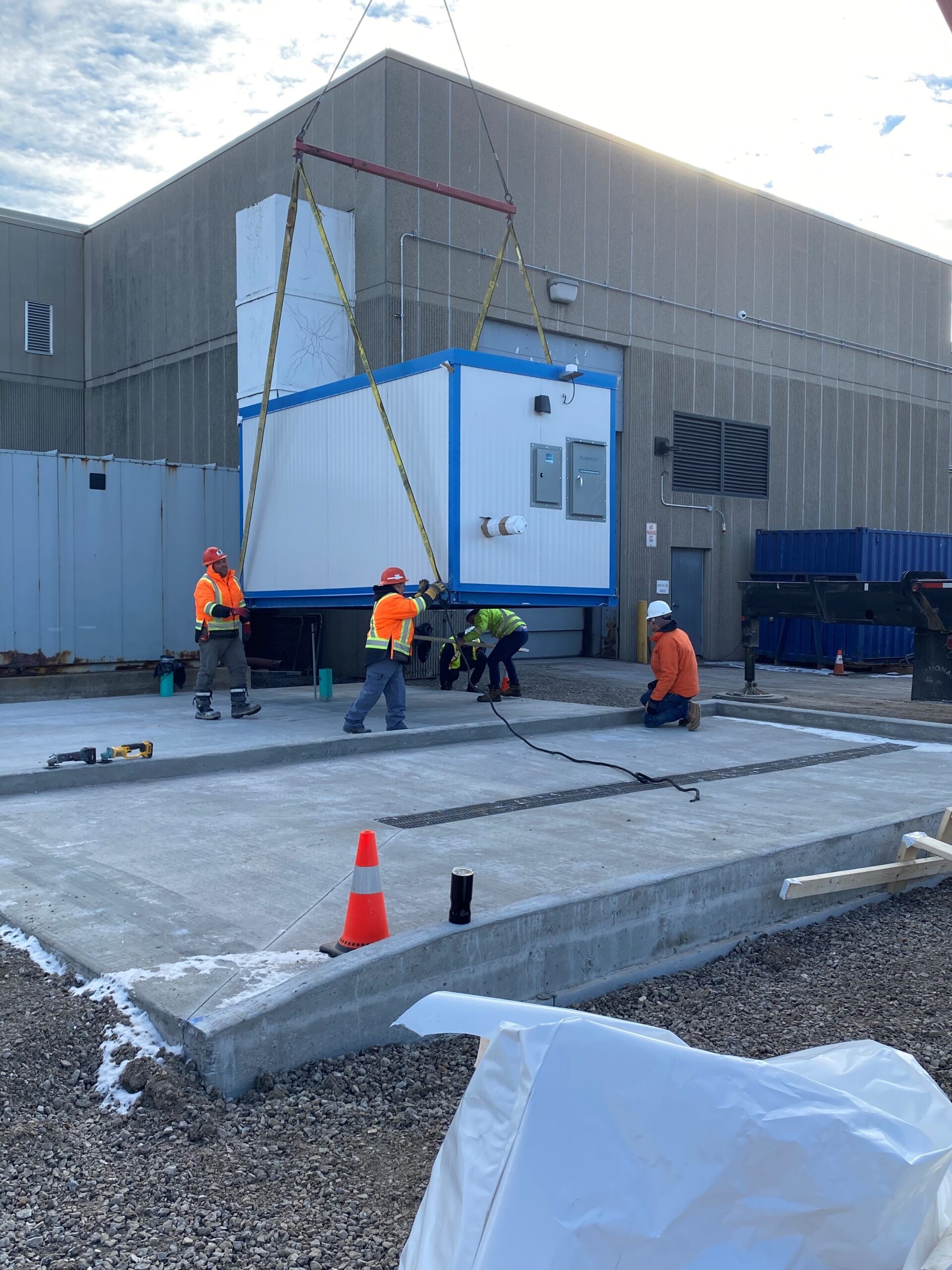
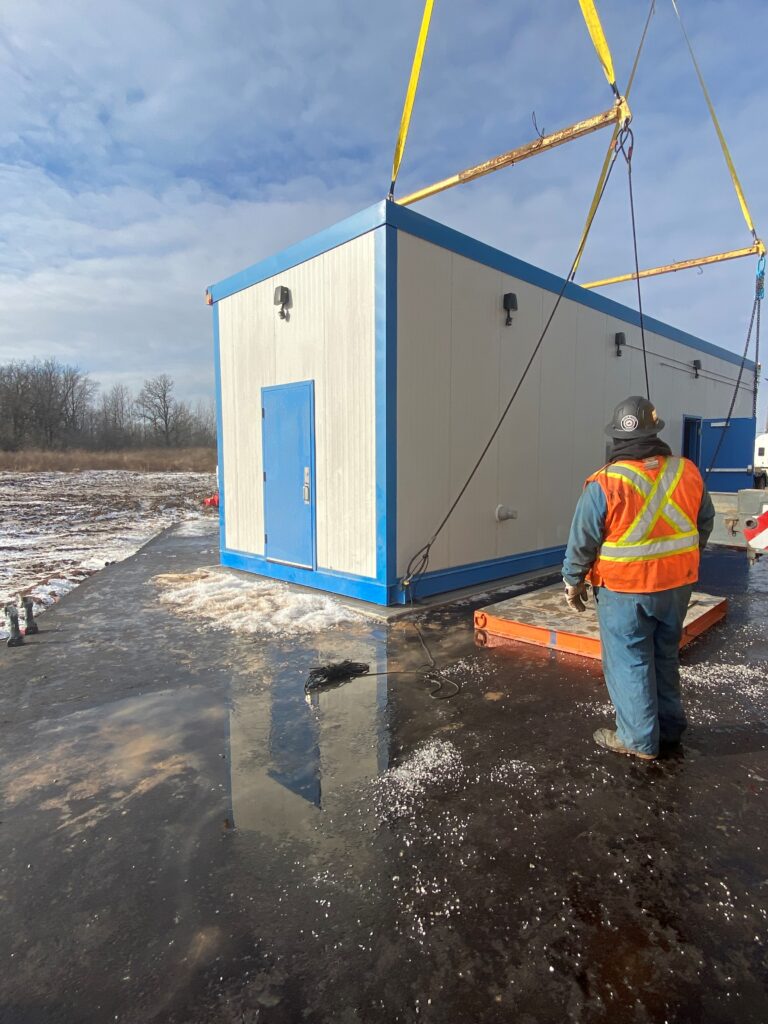
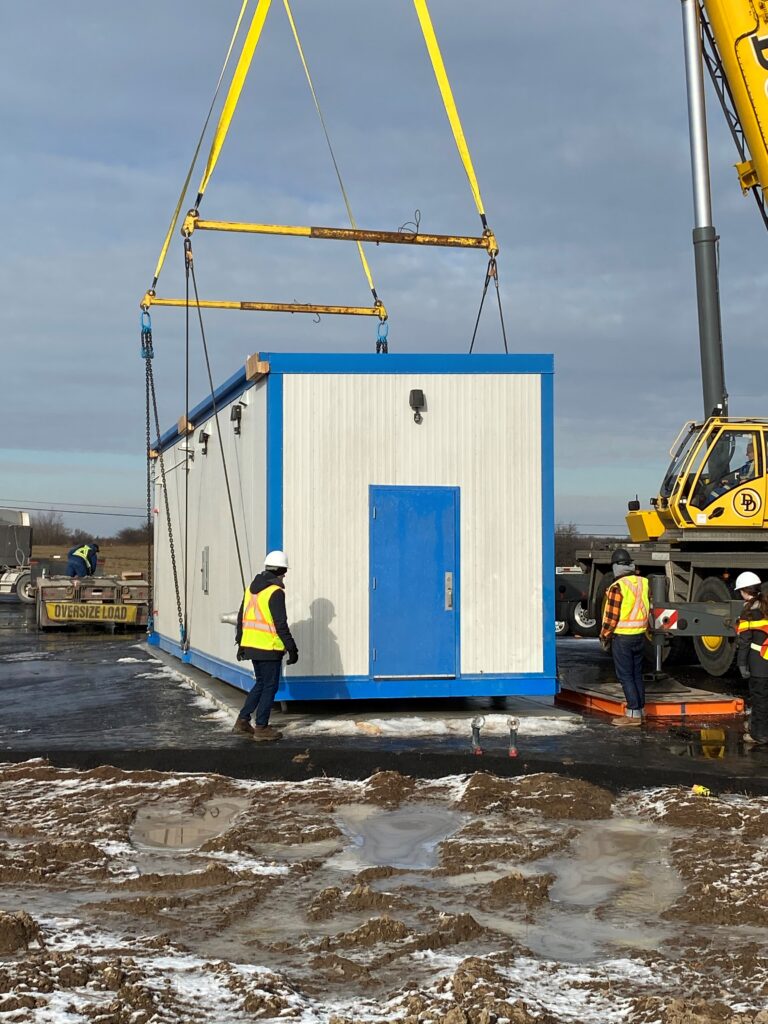
A prefabricated water & wastewater treatment plant is engineered and built in repeatable factory conditions. Post-site delivery, this enables rapid installation and commissioning. Instead of building every component in the field, owners receive integrated treatment “modules” (skid-mounted or containerized), complete with piping, wiring, instrumentation, and controls. For many communities, this approach reduces schedule risk, improves cost certainty, and creates a clearer path for phased growth.
Advantages of Modular Water & Wastewater Plants
Faster deployment and fewer schedule surprises
Traditional site-built plants rely heavily onsiteite civil work and multi-trade coordination. Weather delays, site constraints, inspection timing, and trade availability can all push the schedule out. Even well-managed projects can slip because so much work happens sequentially and outdoors.
Modular delivery shifts a large portion of fabrication offsite, allowing manufacturing and site prep to occur in parallel. Construction research surrounding modular water & wastewater plants, across industries, repeatedly highlights schedule compression and productivity gains when delivered projects are more like products than one-off builds (McKinsey: https://www.mckinsey.com/capabilities/operations/our-insights/modular-construction-from-projects-to-products). For water and wastewater owners, speed matters, hard stop. Delays can create capacity gaps, increase interim hauling or bypass costs, and heighten regulatory and community pressure.
Better cost predictability
Site-built construction is vulnerable to change orders: unexpected subsurface conditions, rework, material substitutions, or coordination conflicts discovered late. Labour shortages and overtime can also push costs upward. Modular plants reduce many of these variables by standardizing designs and building under controlled conditions. While no project is completely immune to risk, modular delivery tends to improve price certainty by narrowing the range of unknowns and reducing field-installed complexity.
Making modular solutions especially valuable for municipalities managing public budgets, utilities planning multi-year capital programs, and developers working within fixed pro formas. Predictable delivery also reduces administrative burden—fewer schedule resets, fewer scope disputes, and fewer “surprise” procurement issues. In short, you receive sustainable water & wastewater solutions.
Factory quality control and pre-testing
Quality control is inherently easier in a factory than on a busy construction site. Modular plants are built indoors with consistent processes and documented QA/QC. Many water & wastewater management systems can also be integrated and tested before shipment. Identifying problems with controls, instrumentation, electrical, and mechanical interfaces early in the process, when they are cheaper and easier to fix.
Industry commentary on prefabricated water & wastewater treatment systems commonly highlights the benefits of a controlled manufacturing process. Further, pre-integration improves quality and reduces commissioning headaches (BioBox Water: https://biobox-water.com/en/news/prefabricated-water-treatment-plants/). The practical outcome is a smoother startup and less field troubleshooting, which can be the difference between meeting a deadline and missing it.
More Advantages of Prefabricated Water & Wastewater Treatment
Scalability and phased growth
Most communities don’t need ultimate build-out capacity on day one. But many traditional plants are designed and constructed as large, fixed facilities, which can force owners to invest heavily upfront or face disruptive expansions later.
Modular plants are well-suited to phased capacity growth. Simply speaking, you start with what you need now, then add modules as flows increase. Ultimately, aligning capital spending with real demand reduces the risk of overbuilding. Engineers and utilities choose modular water & wastewater management systems for their scalability and flexibility, particularly for developments and communities expecting incremental growth (Packaged Wastewater Plants: https://packagedwastewaterplants.com/home/f/key-benefits-of-modular-wastewater-treatment-systems). If regulations tighten, modular delivery can also make it easier to add polishing steps or additional treatment stages without reworking an entire plant.
Smaller footprint and less disruption
Modular water & wastewater management systems are typically compact and can reduce the need for large buildings and extensive onsite construction. Shorter site duration often means fewer truck movements, less noise, fewer safety exposures, and less disruption to your community. For constrained sites or remote locations, these practical advantages can be as important as process performance.
A strong fit for decentralized infrastructure
In many regions, decentralized or distributed treatment strategies are gaining traction—especially where conveyance is expensive, or growth is sprawling. The U.S. EPA notes the benefits of decentralized wastewater approaches, including flexibility and cost-effective service in areas where centralized expansion is impractical (EPA: https://www.epa.gov/septic/benefits-decentralized-wastewater-treatment-systems). Modular plants support this strategy by enabling repeatable deployments across multiple sites, with standardized equipment and operations.
Easier automation, monitoring, and reporting
Treatment performance today is as much about operational visibility as it is about process. Ultimately culminating in the deployment of more sustainable water & wastewater solutions every year. Operators need alarms, trending, maintenance planning, and compliance reporting. Modular plants are often designed with integrated controls and instrumentation from the outset, reducing the “custom controls” problem common in site-built facilities. Standardized automation also supports faster training and easier troubleshooting across multiple sites.
Why Site-Built Water & Wastewater Management Systems Are Falling Behind
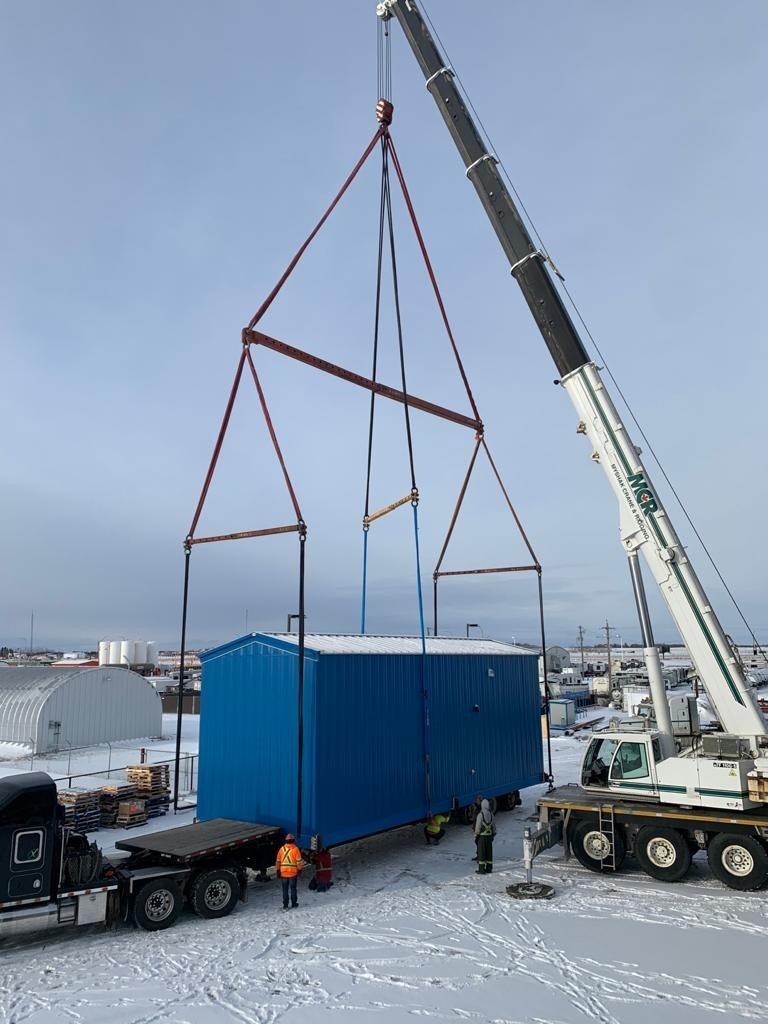
Traditional construction can still be appropriate for very large facilities with unique, highly customized requirements. Or for those less frequent projects with abundant space and time. For many small-to-mid-sized municipal and industrial projects—especially those with tight timelines, limited labour availability, and uncertain growth trajectories—modular delivery offers a more predictable, flexible outcome.
The Bottom Line for Sustainable Water & Wastewater Solutions
A modular water treatment plant or modular wastewater treatment plant is not merely “a plant in a box.” It’s a modern delivery model that reduces schedule risk, improves cost certainty, strengthens quality control, and makes expansion easier. As infrastructure demands rise and constraints tighten, it’s clear why more owners are choosing modular. Looking beyond that, you can see why site-built approaches are increasingly struggling to compete.