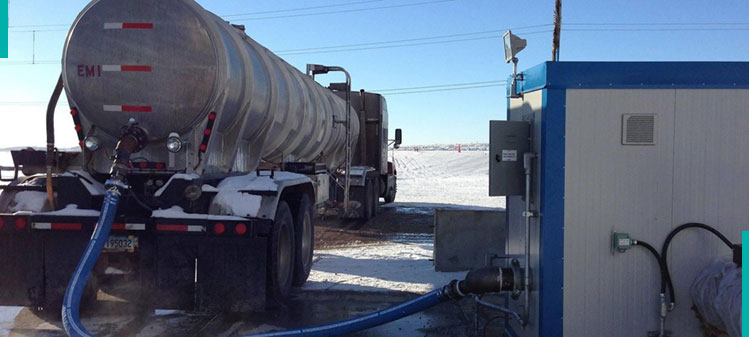
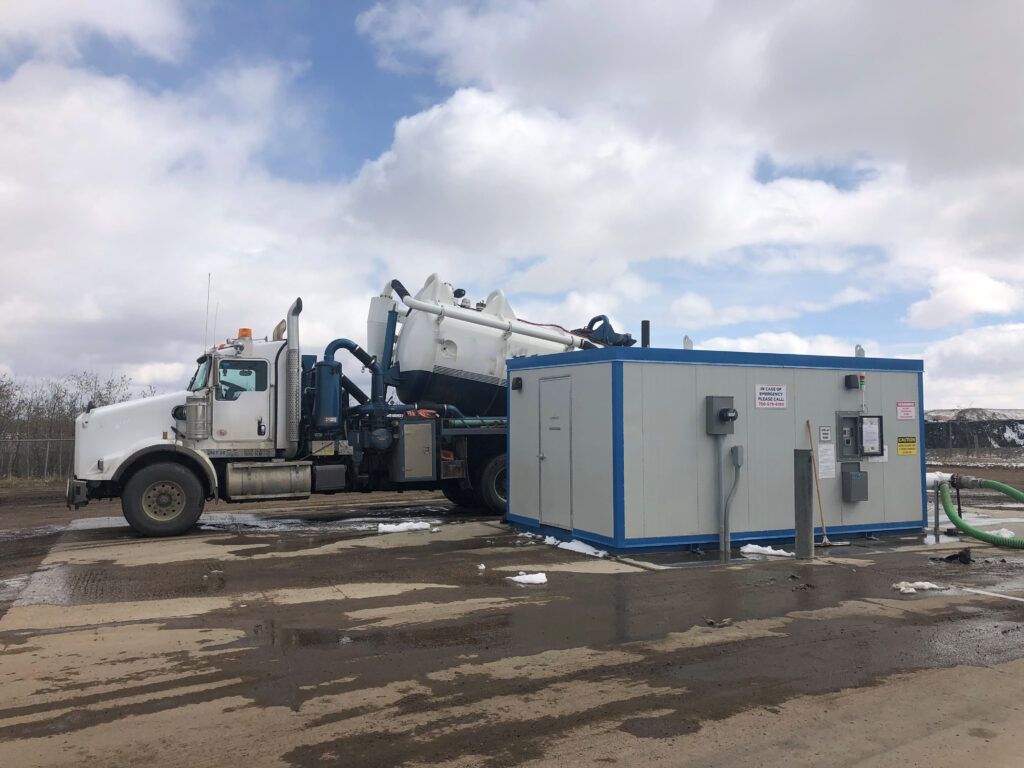
Septage receiving stations and septic or septage management facilities—often called wastewater tipping stations—play a critical role for municipalities and utilities. They provide a controlled, compliant way to accept and manage septage from septic haulers, private systems, and remote communities. When municipalities manage this stream properly, they reduce public health risks. They help limit odors, which can be a nuisance, and protect local water resources. In addition, a well-designed receiving program helps prevent illegal dumping and supports consistent wastewater treatment performance.
Septage receiving stations also serve as a foundational component of wastewater treatment systems. Acting as the first point of control.
They allow you to receive, screen, measure, and safely handle septage before it enters downstream processes. This step helps protect pumps, piping, and treatment equipment from debris, rags, grit, and high-strength waste loads. It also creates a safer workflow for operators and haulers through defined procedures, clear access control, and purpose-built infrastructure. With the right approach, you can dispose of septage responsibly while maintaining stable plant operations and regulatory compliance.
In this blog post, we’ll break down the best practices for receiving at a septage management facility and explain why they matter. We’ll cover practical steps to improve safety, reduce operational disruptions, and strengthen accountability from arrival through final treatment. We’ll also highlight how consistent procedures and smart facility design support long-term sustainability for your septage program. Finally, we’ll discuss how these practices contribute to a more effective sewage management facility for municipalities of every size.
Septage Management Facility Safety Measures
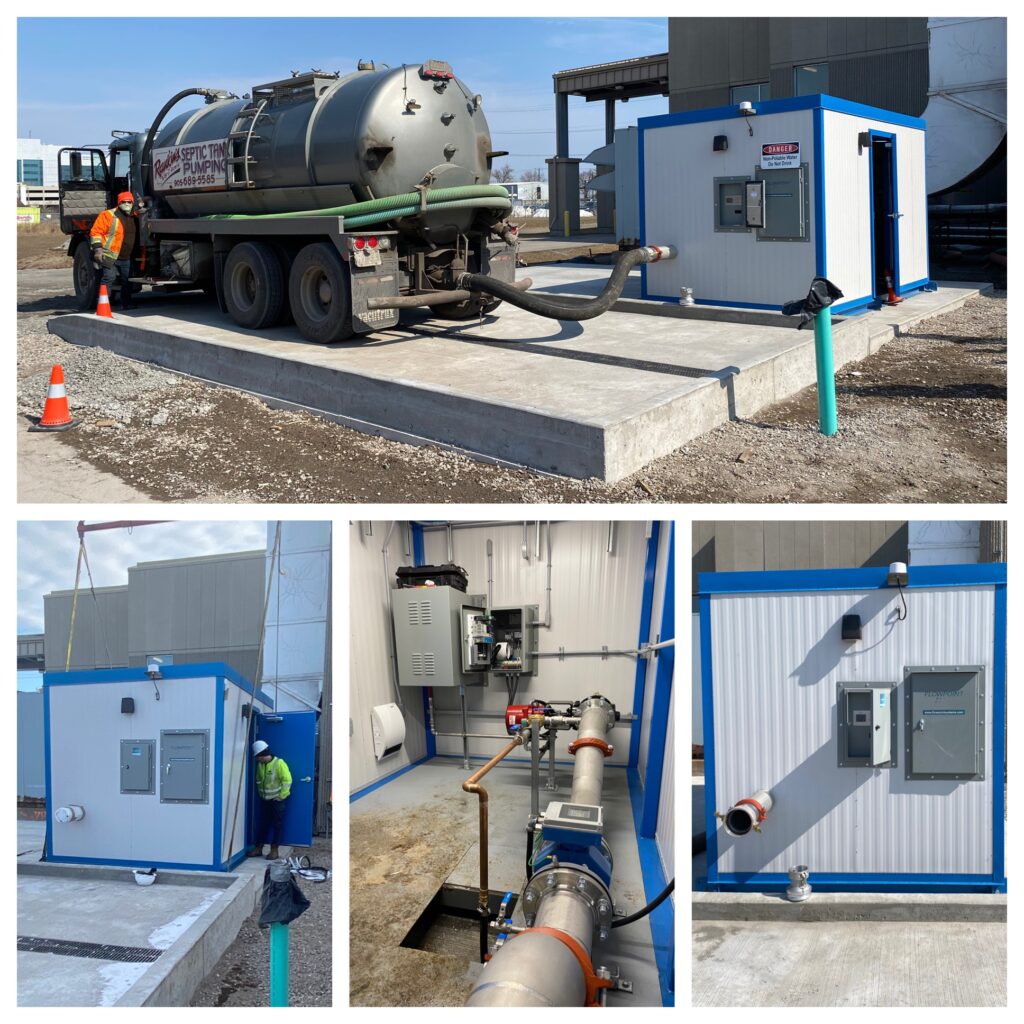
Safety must remain the top priority for the operations of septage receiving stations (sewage management facilities) because the risks are real and constant. Septage can contain pathogens, hazardous gases, sharp debris, and unknown contaminants. At the same time, stations often handle heavy vehicles, wet surfaces, and confined or poorly ventilated areas. A strong safety culture reduces incidents, protects staff and haulers, and keeps the facility compliant and operational. It also builds trust with contractors and the community that relies on the service.
A septic management facility layout and its site controls play a major role in preventing injuries and near misses.
Install clear, durable signage that directs drivers step by step, including speed limits, stop points, PPE requirements, and emergency instructions. Provide consistent lighting across lanes, unloading areas, walkways, and controls to improve visibility and hazard detection. Design one-way traffic flow with defined entry points, exits, and marked waiting zones to reduce congestion and blind spots. Use barriers, bollards, and painted lines to separate pedestrian paths from truck routes and keep drivers away from sensitive equipment.
PPE must match the hazards present and remain easy to access and enforce. Providing gloves suitable for chemical and biological exposure, along with goggles or face shields to protect against splashes, is practical. Use respiratory protection when aerosols, odors, or gas exposure may occur, and include fit testing when required. Add protective clothing, such as coveralls, rubber boots, and aprons, when unloading tasks pose frequent contact risk.
Efficient and Timely Septage Receiving Station Operations
To minimize the time septage trucks spend at the (septic) sewage management facility, you need efficient, repeatable processes that keep vehicles moving safely and predictably. Long queues create congestion, increase idling and emissions, and raise the risk of traffic conflicts on site. They also frustrate haulers and put pressure on operators to rush critical steps. Standardized procedures, clear driver instructions, and a well-designed site layout all work together to reduce cycle time without sacrificing safety or compliance.
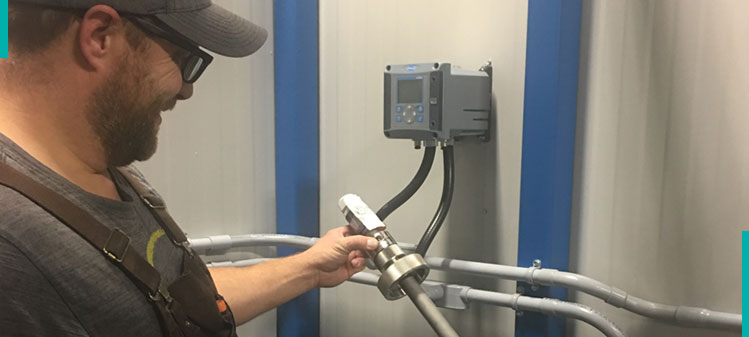
Modern, fast data capture also improves throughput while strengthening accountability. Use electronic manifests, customer portals, RFID cards, or barcode scanners to identify haulers, link loads to accounts, and record key details in seconds. Automate time stamps, station ID, volume estimates, and pricing rules so the system generates consistent records without manual entry. Integrate validation checks to flag missing fields, expired permits, or out-of-policy loads before unloading begins. The result is quicker processing, fewer billing and reporting errors, cleaner audit trails, and smoother reporting for regulators and internal stakeholders.
Sampling and Testing
Septage receiving facilities (wastewater tipping stations) should have protocols in place. Allowing you to sample and test incoming septage for quality and compliance, with a usable paper trail, and confidently ensuring that the waste received meets the necessary regulatory standards and poses no risk to the treatment plant’s processes. Regular testing for pathogens, heavy metals, and other contaminants is critical to maintaining a safe and healthy environment.

A Septage Management Facility Provides Environmental Protection
The influent to a sewage management facility can contain a wide range of pollutants, debris, and high-strength waste that may harm the environment if staff don’t handle them properly. Because of this variability, facilities need controls that reduce nuisance impacts while protecting nearby land, surface water, and storm systems.
Best practices include installing effective odor-control systems—such as biofilters or activated-carbon filtration—to capture and treat odorous air before it leaves the site. Proper sizing, routine maintenance, and regular inspections help these systems perform consistently and prevent complaints.
In addition, implement robust spill-prevention measures to reduce the risk of accidental releases. Use secondary containment where appropriate, maintain hoses and fittings, and design unloading areas with curbing or grading that directs spills to a controlled collection point. Pair these physical controls with a clear emergency response plan. Define roles, shutdown procedures, containment steps, camera coverage, and reporting requirements for quick, consistent spill response.
Ditch the paperwork
You can dramatically reduce administrative paperwork with our septage receiving station software by giving customers access to a secure, cloud-based portal that centralizes everyday account tasks in one organized place.
Staff can use the portal to deliver invoices to customers automatically. Further, they prepay and add funds remotely all on their own, accessible at every septage management facility almost instantaneously. With a few clicks, they can generate detailed usage reports on demand—without calling in or waiting for administrative support. Imagine that. What it creates is a smoother self-service experience, reducing back-and-forth, minimizing manual processing, and improving accuracy across billing and reporting.
For your team, the same portal simplifies internal workflows.
You can add or remove users, control station access, and manage customer accounts with clear visibility and audit-ready records. You can also run standardized usage reports in seconds. Whether you’re initially deploying or years down the road, our support team can help build custom exports that integrate cleanly with your existing billing software.
Instead of relying on paper forms, email threads, and repetitive data entry, your staff can complete updates quickly and consistently in a single system. The result is less time spent on routine tasks. With fewer errors, faster responses to customer needs, and more capacity for higher-value work.
Stakeholder Engagement and Education
Engaging and educating stakeholders—including septage haulers, septage management facility operators, regulators, and the local community—is essential to the success of a septic management facility. When everyone understands expectations, procedures, and the “why” behind them, compliance improves, and day-to-day operations run more smoothly.
Maintain regular communication channels, such as newsletters, email updates, signage at the wastewater tipping station, and periodic workshops. These touchpoints can share best practices, regulatory changes, safety reminders, and practical guidance that reinforce responsible septage handling and disposal. Clear, consistent messaging also helps reduce confusion and prevent avoidable issues at your wastewater tipping station.
Just as important, encourage two-way dialogue and feedback. Create a simple process for haulers and staff to report concerns, suggest improvements, and flag recurring bottlenecks. That input helps build trust and supports a more collaborative, continuous-improvement approach for a sustainable sewage management facility.
A sewage management facility plays a crucial role in ensuring effective and sustainable septage management.
Follow these best practices in infrastructure design, including safety measures, operational efficiency, environmental protection, and record-keeping. Afterwards, you will find that these facilities further contribute to public health, environmental sustainability, and regulatory compliance.
Adopting these best practices and fostering stakeholder engagement will pave the way for a cleaner and healthier future with your new septic management facility (or wastewater tipping station).