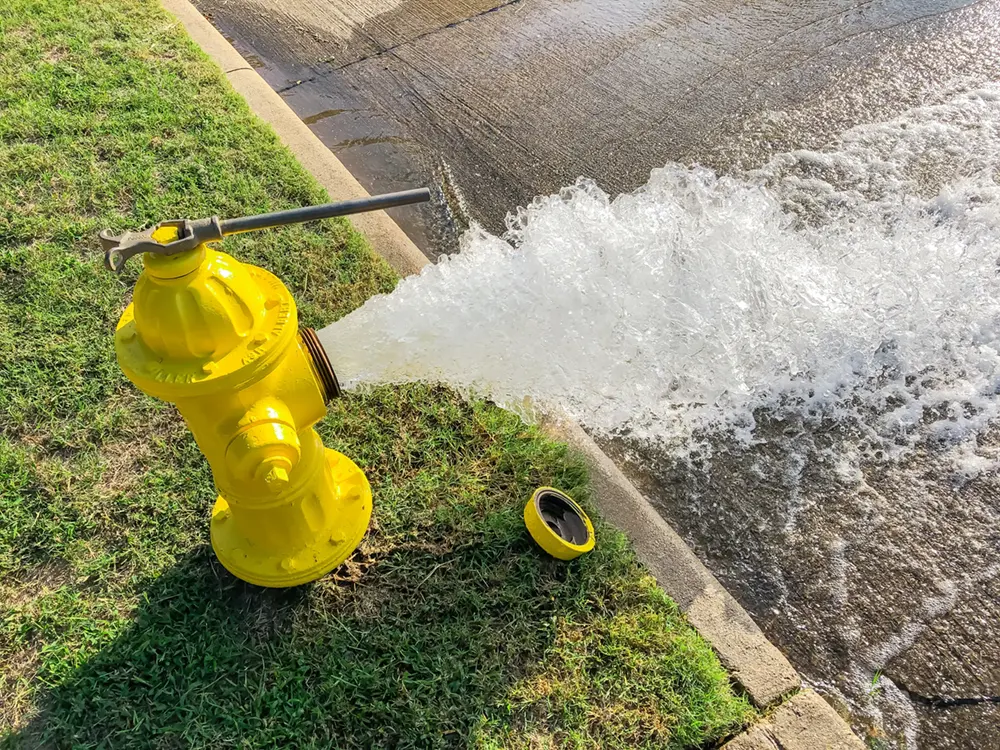

According to a recent consumer report and several investigations into clogged sewer lines, we have conflicting information about flushable wipes. Marketers claim that wipes easily break down after flushing like toilet paper, but ‘flushable’ wipes are actually very durable. Therefore, they do not actually break down and disintegrate as advertised.
There is even a class action lawsuit currently pending against Target, alleging that wipes marketed and sold as “flushable” pose a risk to public health and municipal wastewater infrastructure. The claims argue that these products do not break down as advertised. Further, they contribute to blockages and operational failures within septic systems, and even within existing septic receiving solutions.
Despite growing awareness and ongoing litigation, many consumers still do not realize that so-called “flushable” wipes do not flush as promised. As a result, these products continue to clog sewer lines, damage pumping equipment, and create persistent problems at treatment plants and septic receiving systems.
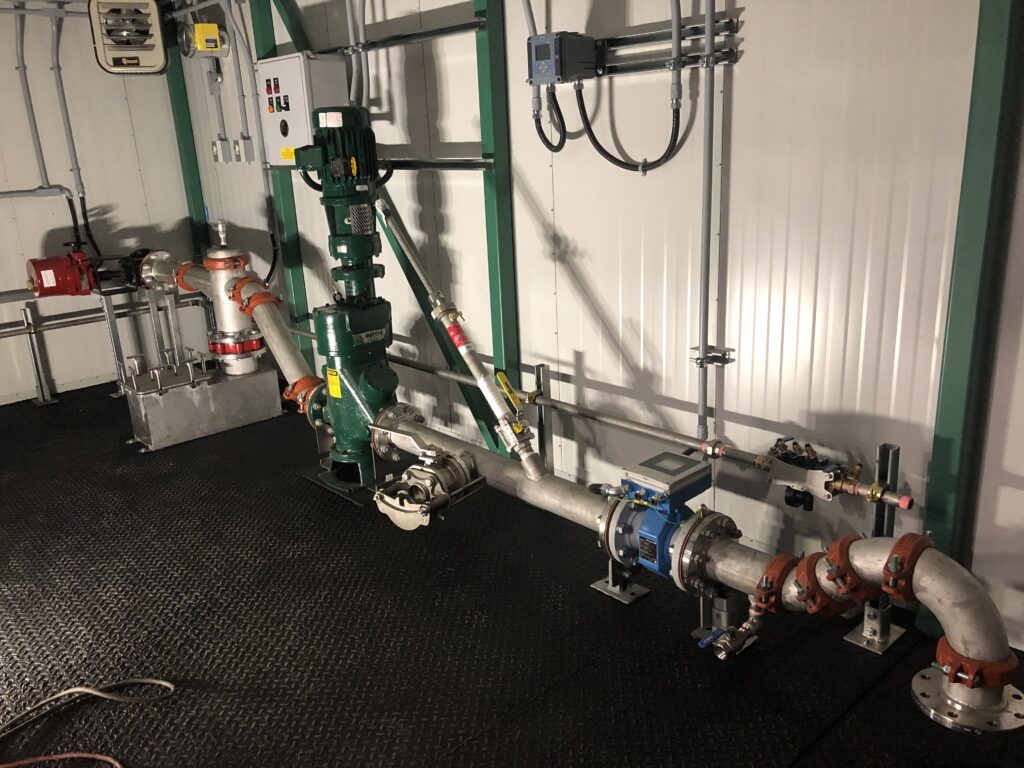
So how exactly do these impact a septic receiving system?
To begin with, so-called “flushable” wipes do not break down the way toilet paper does. Even though manufacturers often claim they will. Instead of dissolving quickly in water, these wipes remain intact, bind together, and accumulate. Creating stubborn clogs in household plumbing and municipal sewer systems, including a septic receiving facility. Over time, even small amounts can contribute to serious blockages that are difficult and expensive to remove.
Many of these wipes also contain alcohol or antibacterial agents intended to keep them sanitary before use. While that may benefit the product on the shelf, it creates problems once the wipes enter a septic or wastewater system. The alcohol kills the beneficial bacteria that break down solid waste—further disrupting biological processes in sewers and septic tanks and reducing overall system effectiveness.
Compounding the issue further, wipes tend to cling to fats, oils, and grease inside pipes. As grease accumulates, it traps more wipes, and the mass grows rapidly. This chain reaction leads to the formation of massive fatbergs that restrict flow, damage infrastructure, and eventually choke off entire sewer lines—often resulting in costly backups and emergency maintenance. A station can provide you with a septic receiving solution, which will be beneficial to your operations.
In London, England, officials recently uncovered an especially large and revolting fatberg, with “flushable” wipes.
Which significantly contributed to its formation. One official noted that manufacturers frequently label the wipes “disposable.” Yet real-world experience shows they do not behave that way once flushed, creating long-term problems for wastewater systems and their operators worldwide.
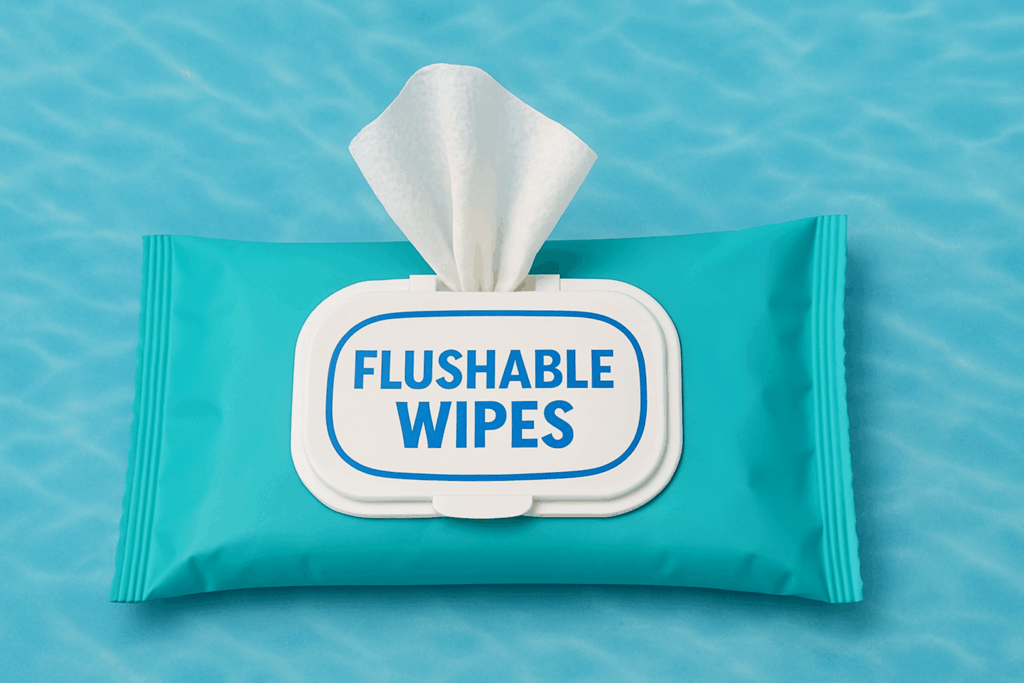
Hopefully, the evidence clarifies the importance of non-flushable wipes.
“In their current form, so-called ‘flushable’ wipes cause damage to sewer and septic systems and should be treated accordingly.” Despite the name, these products do not perform as advertised once they enter wastewater infrastructure, creating an ongoing maintenance challenge and unnecessary strain on public systems.
If your residents currently use “flushable” wipes at home, the safest and most responsible action is to dispose of them in the trash. Just like regular wipes, avoid flushing them altogether. Taking this simple step helps reduce blockages, prevents costly backups, and protects the long-term health of sewer lines. Beyond that, it will extend the life of pumping equipment and ultimately your septic receiving facility.
Small changes in everyday habits can make a meaningful difference. By choosing proper disposal methods, residents and businesses alike can help limit damage to wastewater infrastructure and reduce the burden placed on municipalities and utilities.
Septic Receiving Facility: Protect Your Equipment and Process
A septic receiving facility must transfer and condition incoming waste. Meaning they rely on pumps, screens, grinders, valves, and interconnected piping before the material reaches downstream treatment stages. Because this equipment operates around the clock and frequently handles heavy loads, maintaining a steady flow and predictable material behavior is essential to system reliability. Flushable wipes can quickly disrupt operations.
This material block screens, contaminates sensors, binds impellers, and accelerates wear on pumps and cutting equipment. Over time, cumulative impacts cause more frequent shutdowns, increased maintenance demands, and higher risks of overflows or safety incidents. Implementing effective front-end screening and solids removal protects critical equipment. This approach maintains consistent performance and extends overall service life.

Removing flushable wipes with a septic receiving solution is critical to preserving the performance and reliability of wastewater treatment systems.
When septic receiving facilities focus on effective removal solutions, they reinforce the wastewater treatment process from the start. This approach safeguards downstream equipment, supports stable treatment performance, and lowers the risk of spills. Mean that you will experience fewer bypass events and unexpected shutdowns that could also affect nearby waterways.
By addressing these issues proactively, facilities can reduce nuisance conditions. Allowing you to maintain consistent compliance with regulatory requirements and improve the overall experience for both haulers and operators. In doing so, septic receiving facilities support responsible waste management practices. Helping deliver cleaner, healthier environments for the communities they serve.
For more information about protecting wastewater systems, or to learn how Flowpoint supports efficient, resilient water and wastewater operations. Call Flowpoint today and speak with our team about a septic receiving solution that suits your vision. Our solutions ensure compliance, reliability, scalability, long-term cost savings, environmental stewardship, and operational peace of mind.