-
 Wastewater
Custom-Engineered Wastewater Treatment
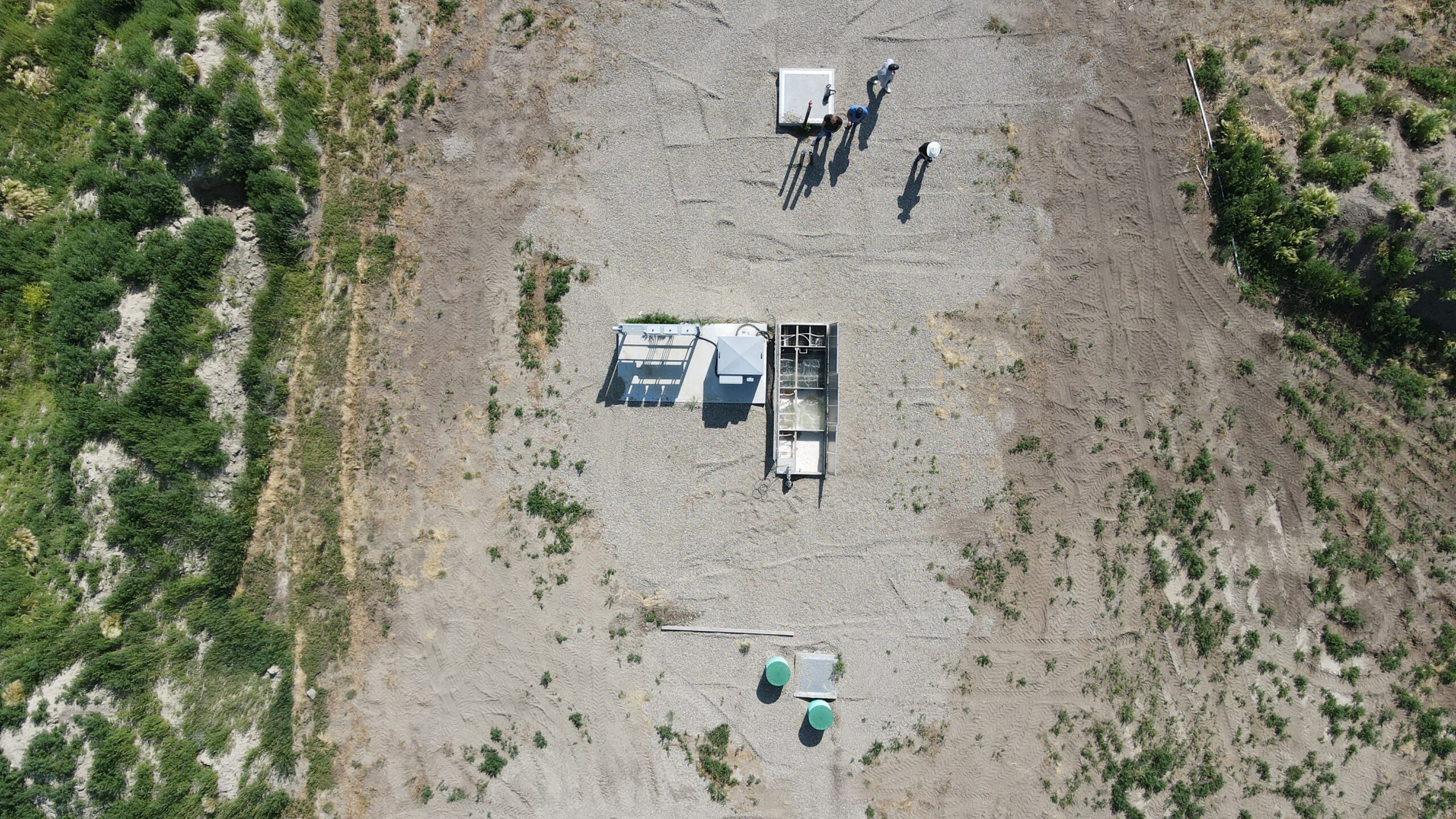
Decentralized vs Centralized Custom-Engineered Wastewater Treatment: Which Is Right for Your Project? When planning a wastewater treatment system, one of the most important decisions is whether to adopt a centralized or decentralized approach. Both approaches have their place—but choosing the wrong one can lead to higher costs, delays, and long-term inefficiencies. In many cases, a…
-
Water Treatment
Modular Water & Wastewater Plants
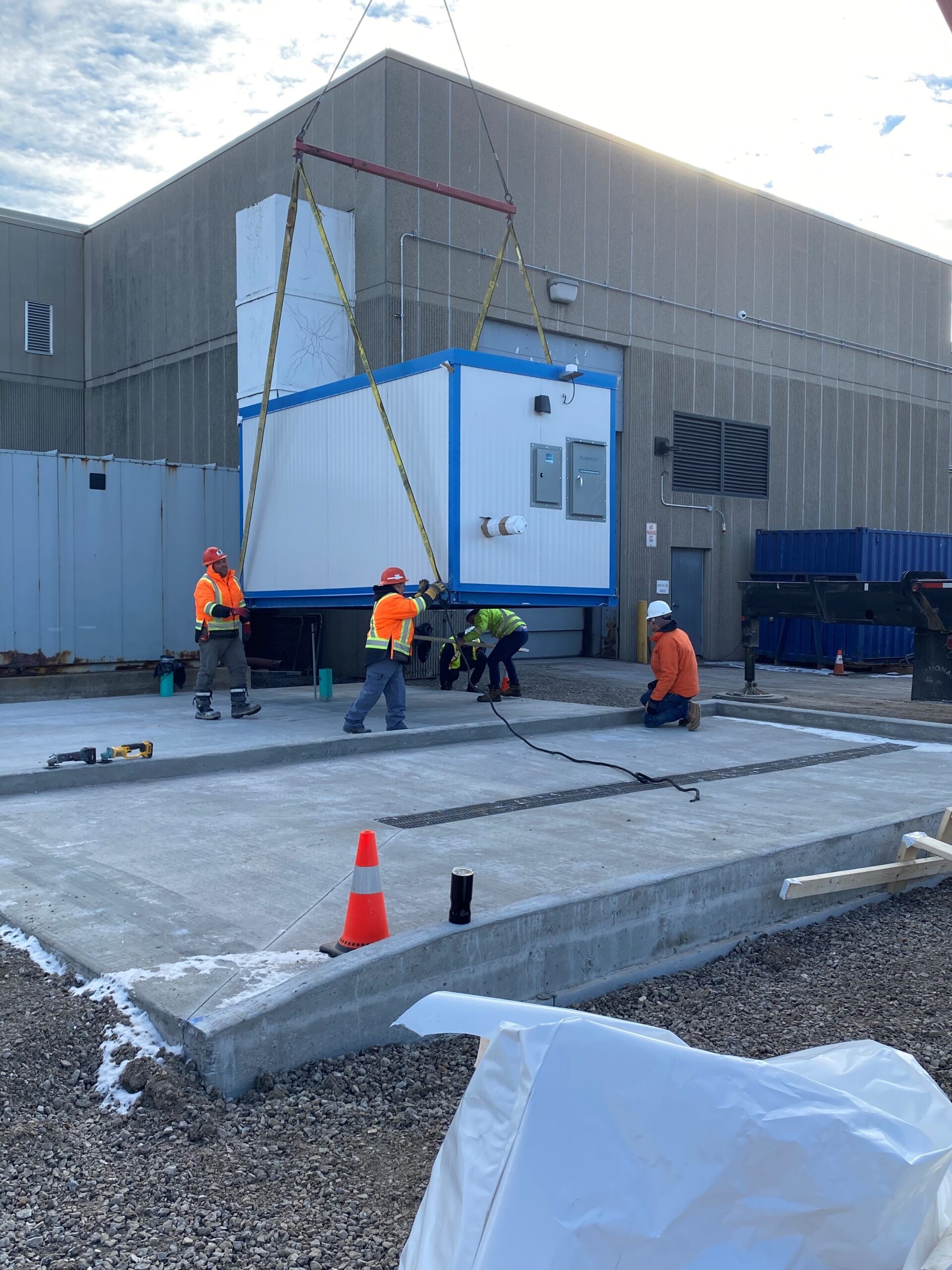
The Case for Modular Water & Wastewater Plants (And Why Site-Built Is Falling Behind) Municipalities, utilities, developers, and industrial operators must deliver reliable water & wastewater management systems faster, with tighter budgets and fewer available trades. At the same time, compliance expectations and reporting requirements continue to rise. In that environment, the delivery model matters…
-
News Release
Planning Modular Wastewater Treatment
Planning Modular Wastewater Treatment for Fast-Growing Communities in the Southeast US Across the Southeast US—especially in Alabama, Mississippi, Georgia, and Florida—growth is happening faster than many communities expected. Highlighting the need for Modular Wastewater Treatment Solutions. New residential developments, industrial parks, and mixed-use projects are pushing beyond existing sewer service areas. While small and mid-sized…
-
Wastewater
MBBR Systems: For Hawai’i Cesspools
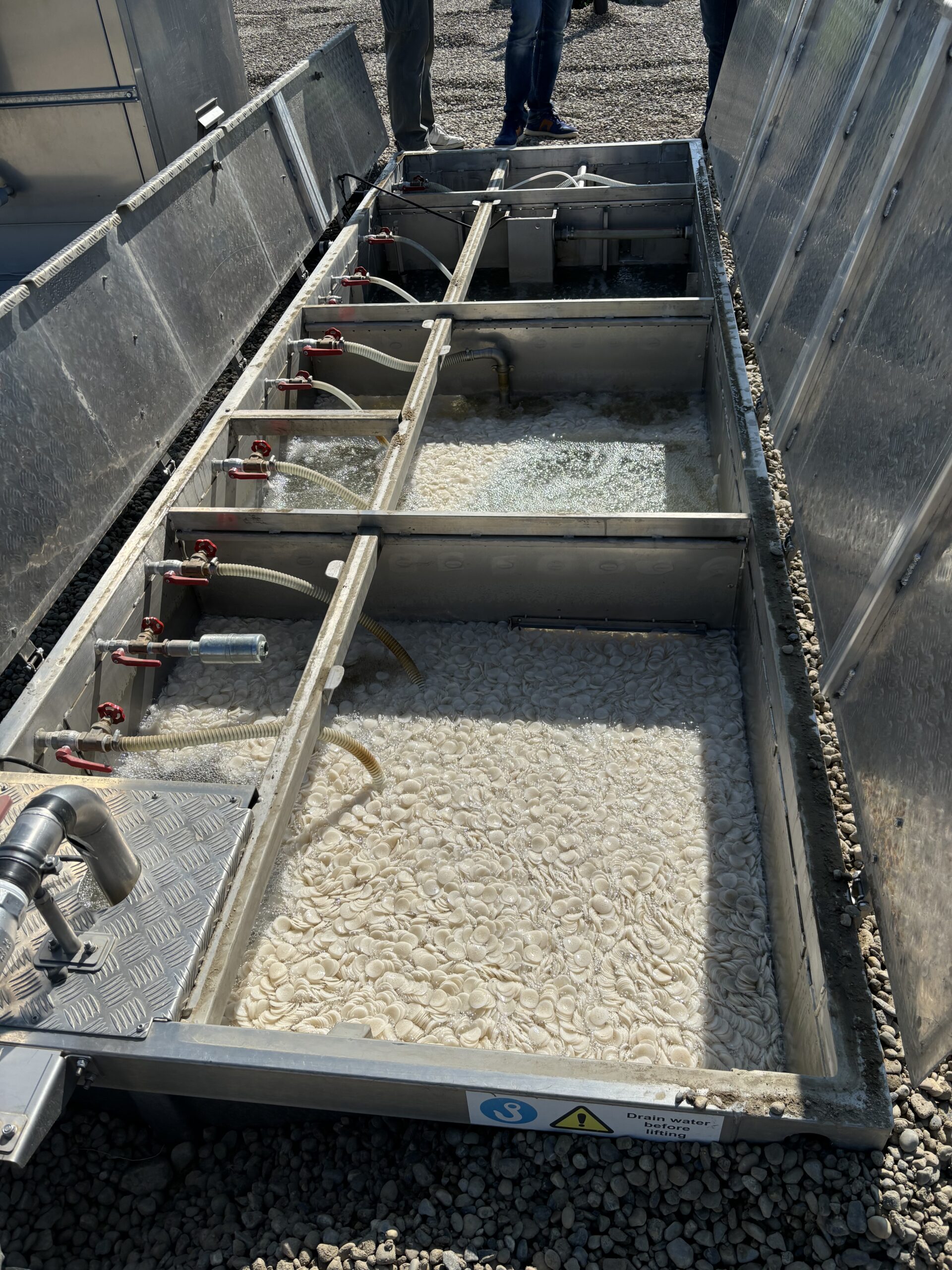
Hawaiʻi faces one of the most urgent onsite wastewater challenges in the United States. Teams are considering MBBR systems to address these issues, which provide operators with not only a packaged but also a decentralized wastewater treatment solution. With tens of thousands of aging cesspools still in use across the Hawai’ian islands, untreated wastewater continues…
-
Wastewater
Modular Decentralized Wastewater For Developers
Why Modular Decentralized Wastewater Treatment Is a Smart Move for Modern Developments As private land developers plan the next generation of residential communities and resort destinations, modular decentralized wastewater treatment systems consequently evolve from a background utility into a strategic development decision. Infrastructure choices now directly influence project schedules, capital efficiency, environmental approvals, and long-term…
-
Wastewater
Decentralized Wastewater Treatment Solution
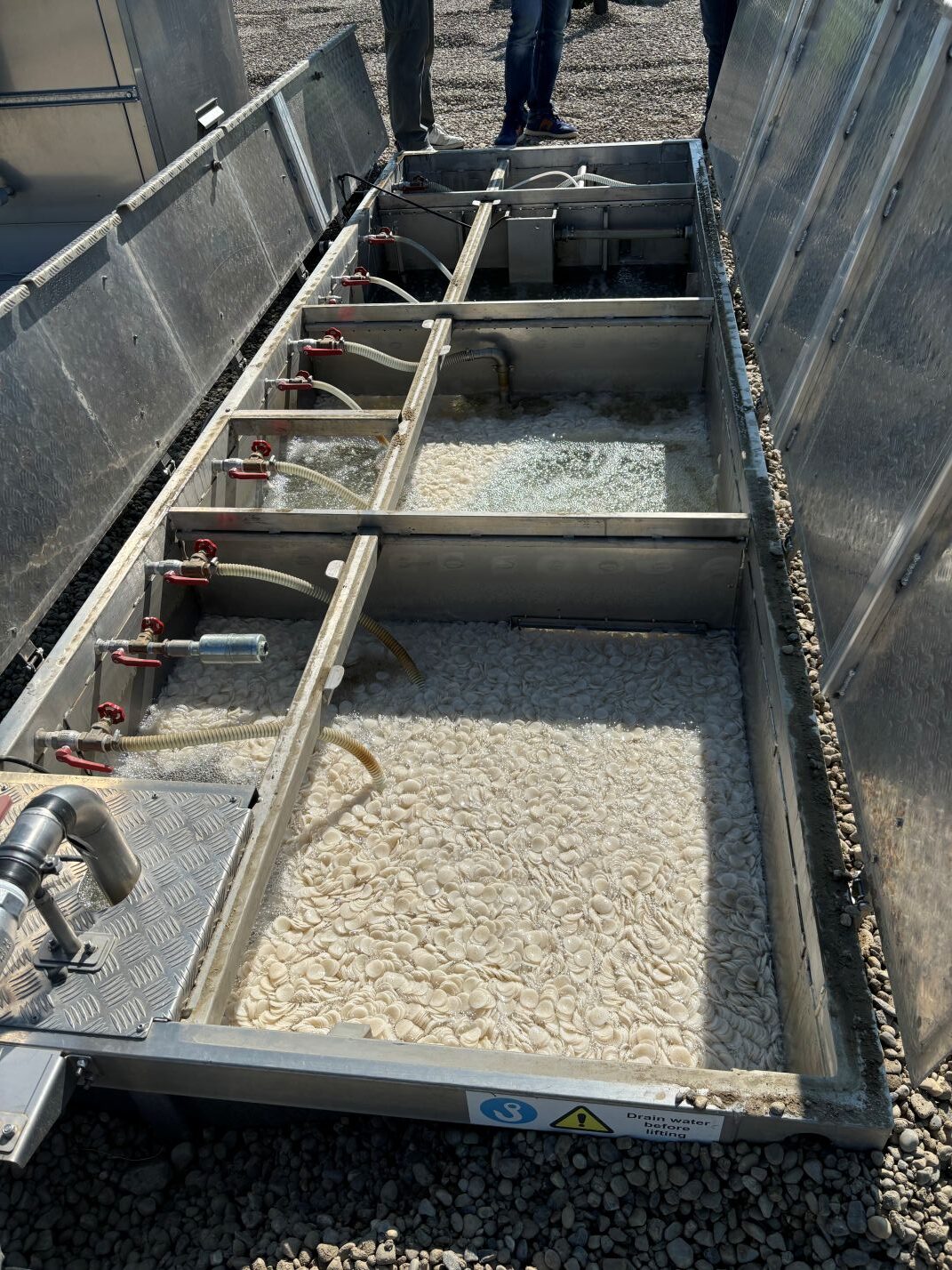
In the realm of wastewater treatment, innovation is key to addressing the growing challenges posed by urbanization and industrialization. One revolutionary solution gaining prominence is the Moving Bed Bio Reactor (MBBR), especially in the context of decentralized wastewater treatment. MBBR stands out as a cutting-edge technology that offers a myriad of advantages. In this blog…
-
Septage Receiving
Septage Management Facility Practices
Septage management plays a vital role in maintaining public health and protecting the environment. As an essential part of wastewater treatment systems, septage receiving facilities serve as the first step in the process of safely handling and disposing of septage waste.
-
Septage Receiving
Septage Receiving Facility Trash Removal
Septage receiving facilities are critical components of wastewater treatment systems, designed to handle and process the waste collected from septic tanks and portable toilets.
-
Septic Receiving
Septage Receiving System Best Practices
In Western Canada, most of our population lives in rural communities. Because of this, direct connections to sewage lines, so common in large cities, are absent, and it is here that septage receiving best practices and their associated systems play a major role. Septic tanks are a common solution to this challenge, but they come…

Tagline text
Flowpoint news blog
The latest industry information on water and wastewater infrastructure.