
Why Modular Decentralized Wastewater Treatment Is a Smart Move for Modern Developments
As private land developers plan the next generation of residential communities and resort destinations, modular decentralized wastewater treatment systems consequently evolve from a background utility into a strategic development decision. Infrastructure choices now directly influence project schedules, capital efficiency, environmental approvals, and long-term asset value.
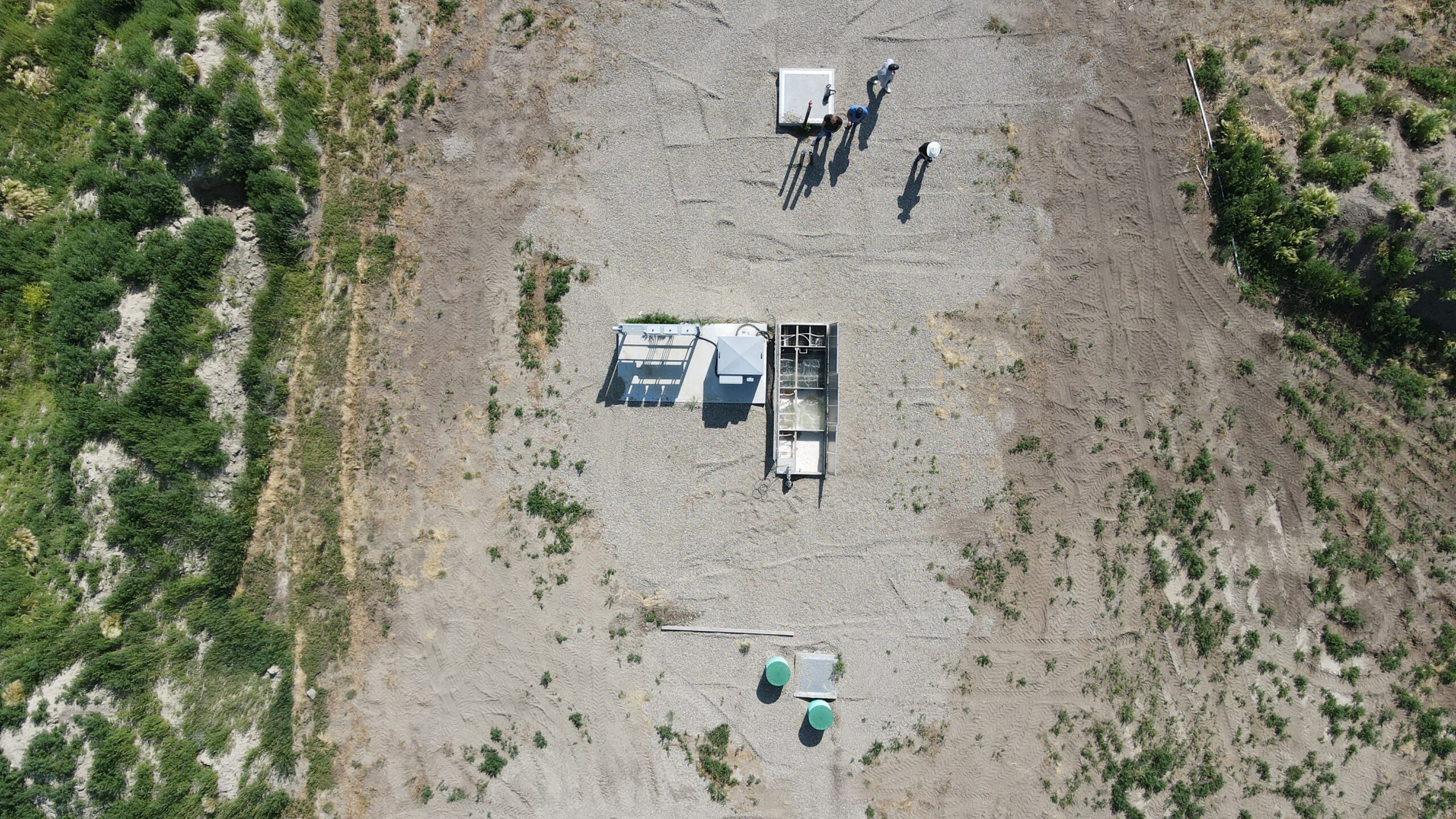
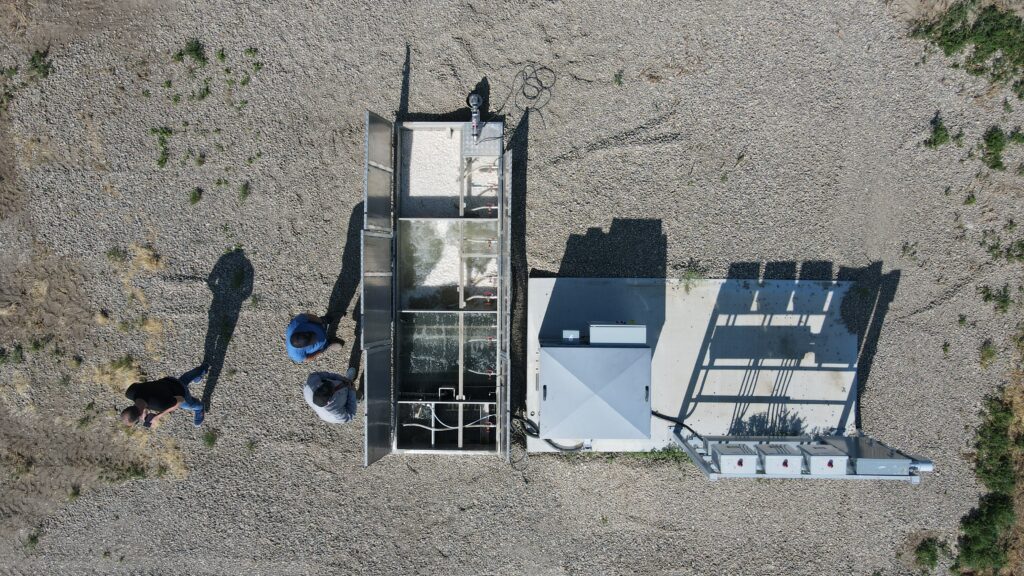
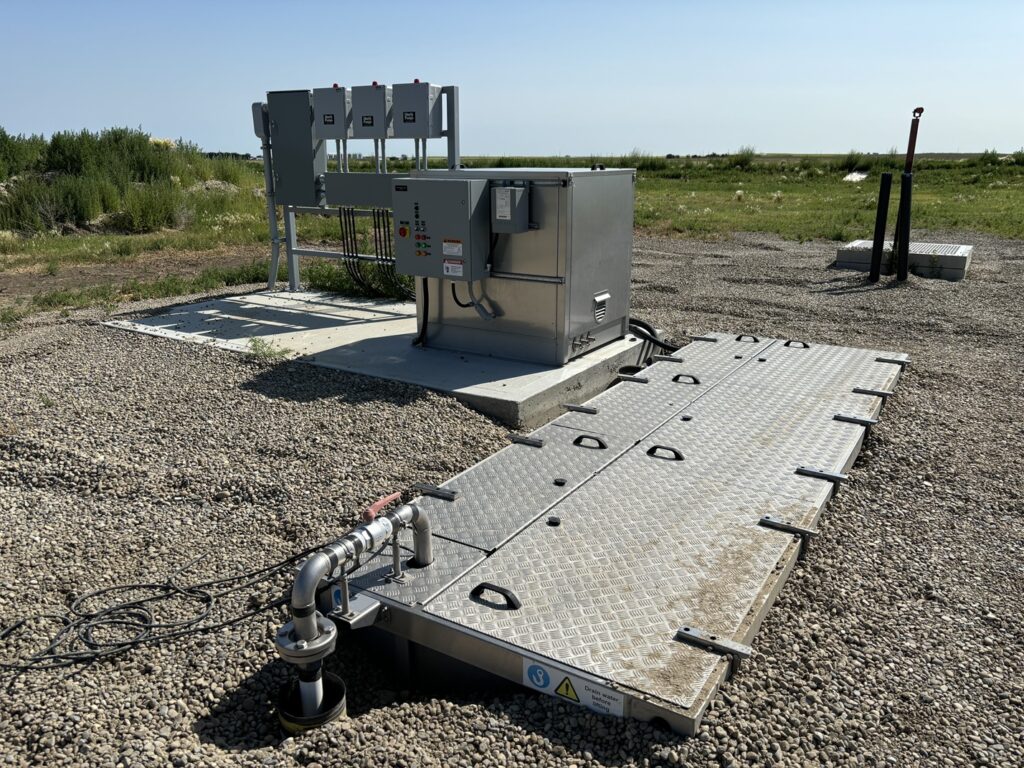
Increasingly, developers are turning to modular, packaged, decentralized wastewater treatment systems—particularly those built around Moving Bed Biofilm Reactor (MBBR) technology. For new subdivisions and resort developments, these systems offer a flexible, scalable alternative to traditional centralized sewer connections or oversized treatment plants—without sacrificing performance or compliance.
The Shift Toward Modular Decentralized Wastewater Treatment
Traditional development models typically rely on either connection to municipal sewer networks or construction of a single centralized wastewater treatment plant. Both options can be limiting. Municipal connections may be unavailable, costly, or subject to lengthy negotiations. Centralized plants require a large upfront investment and often force developers to build full capacity long before it is needed.
Modular decentralized wastewater treatment shifts treatment closer to the source of wastewater generation. The U.S. Environmental Protection Agency reports that decentralized and clustered systems successfully serve residential subdivisions, small communities, and resort developments, often at lower lifecycle cost and with greater flexibility than centralized options. The EPA has documented numerous real-world examples in its decentralized wastewater case studies, illustrating how localized systems can support phased growth while maintaining regulatory compliance (https://www.epa.gov/sites/production/files/2015-06/documents/decentralized-case-studies-2012.pdf). For developers, this model aligns infrastructure investment with actual occupancy, rather than speculative future buildout.
Why MBBR Technology Works for New Developments in Need of Packaged Wastewater Treatment
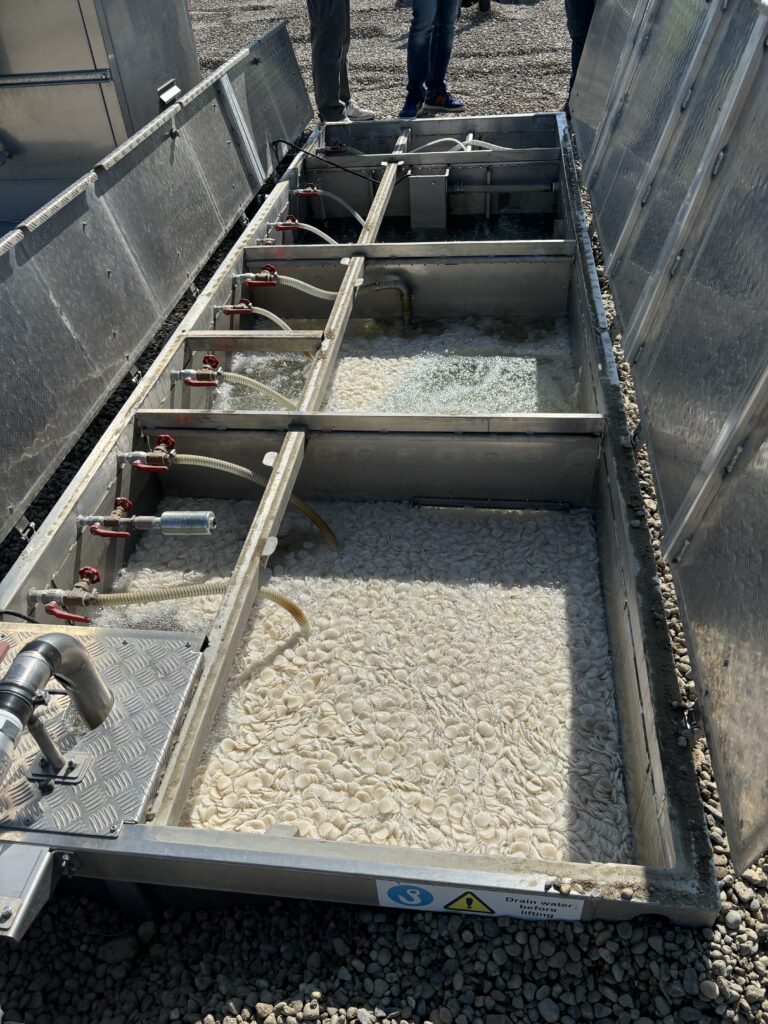
Moving Bed Biofilm Reactor (MBBR) technology is particularly well-suited to modular decentralized wastewater systems. Instead of relying on large settling tanks and carefully balanced sludge systems, MBBR uses engineered plastic carrier media that float freely in aerated reactors. These media provide a protected surface area for biofilm growth, enabling beneficial bacteria to remove organic matter and nutrients efficiently. From a development perspective, MBBR systems offer several compelling advantages:
- Smaller footprint, preserving valuable land for revenue-generating uses
- Operational stability under fluctuating flows, common in phased subdivisions and seasonal resorts
- Simplified operation, reducing long-term staffing and maintenance demands
These characteristics make MBBR a practical choice for developments that must balance performance, reliability, and cost control in parallel with long-term operation and regulatory compliance requirements.
Supporting Phased Subdivision Growth with modular decentralized wastewater treatment
One of the biggest financial challenges in large-scale development is timing infrastructure investment. Building wastewater capacity for full buildout in the early stages ties up capital unnecessarily and increases risk.
You can learn more about decentralized wastewater treatment – here.
Modular decentralized wastewater treatment systems allow developers to install capacity incrementally. Smaller treatment modules serve initial phases, with additional MBBR reactors added as homes, villas, or resort units come online. In either case, a phased approach improves cash flow, lowers upfront capital requirements, and reduces the risk of overbuilding.
The National Onsite Wastewater Recycling Association (NOWRA) notes that decentralized wastewater systems commonly serve clusters of homes, subdivisions, and planned communities by treating wastewater near its source. This approach works especially well in areas where centralized sewer expansion is impractical or environmentally constrained.
Faster Permitting and Environmental Acceptance
It is important to realize that regulatory approvals are often a critical path item for new developments. Decentralized (MBBR) wastewater treatment systems can simplify permitting by minimizing disturbance scale, reducing conveyance infrastructure, and producing consistently high-quality effluent.
Because MBBR systems can meet stringent nutrient limits, they are well-suited for environmentally sensitive areas near lakes, coastlines, and resort destinations. Their modular nature also allows developers to demonstrate compliance in stages, rather than committing to a single large approval tied to full buildout.
In many cases, decentralized treatment also enables onsite water reuse for irrigation and landscape features. Experienced benefits include supporting sustainability approvals, reducing potable demand, and improving long-term water stewardship for resorts and master-planned communities.
Reliability for Resorts and Seasonal Communities
Resort developments present unique wastewater challenges. Occupancy may vary dramatically between peak and off-season periods, placing significant operational and hydraulic stress on conventional treatment systems.
MBBR technology excels under these conditions. The biofilm remains attached to the carrier media even during low-flow periods, allowing systems to recover quickly when loads increase, making a decentralized MBBR and packaged wastewater treatment system ideal for:
- Resort properties
- Vacation communities
- Phased mixed-use developments
- Remote or semi-remote locations
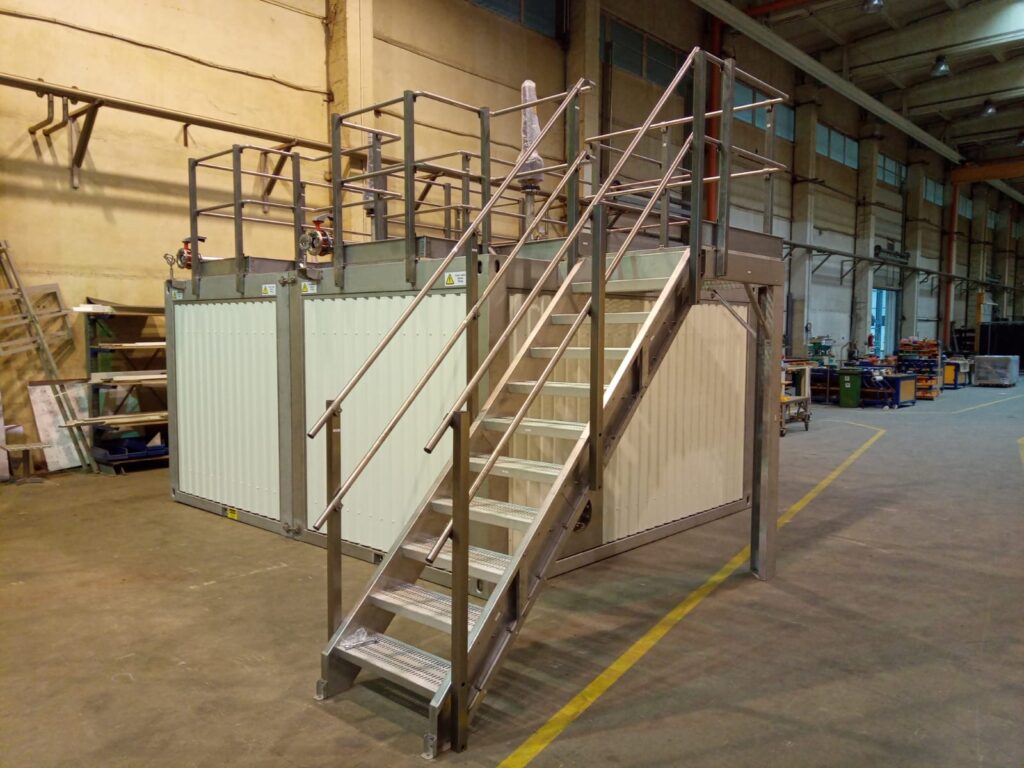
Turning Wastewater Infrastructure into a Long-Term Asset
When designed correctly, decentralized modular wastewater treatment becomes an asset rather than a liability. Systems expand and adapt as regulations evolve and land use changes. For developers who retain ownership, this means predictable operating costs and long-term security of compliance. For those planning to sell, it enhances project value and buyer confidence and, in due time, makes your community more desirable.
At Flowpoint Systems, we design decentralized, modular MBBR (Moving Bed Biofilm Reactor) wastewater treatment solutions specifically for private land developers. Our systems support residential subdivisions and resort destinations while scaling efficiently, sustainably, and reliably with your project.
As development pressures increase and infrastructure expectations rise, decentralized MBBR wastewater treatment is no longer a niche option. It is a proven, forward-looking solution backed by real-world case studies and industry best practices.
The future of development is emphatically modular.
Modular decentralized wastewater systems define the future of packaged wastewater treatment.
And, in conclusion, with MBBR technology, that future is available today.