Hawaiʻi faces one of the most urgent onsite wastewater challenges in the United States. Teams are considering MBBR systems to address these issues, which provide operators with not only a packaged but also a decentralized wastewater treatment solution.
With tens of thousands of aging cesspools still in use across the Hawai’ian islands, untreated wastewater continues to threaten drinking water sources, coastal ecosystems, coral reefs, and public health. In response, the State of Hawaiʻi has committed to a bold objective: the complete removal of cesspools by 2050.
Meeting this goal will require practical, scalable solutions balanced against Hawaiʻi’s geography, land constraints, and remote communities. Compact, modular, decentralized wastewater treatment systems using Moving Bed Biofilm Reactor (MBBR) technology offer a proven, flexible path forward.
The Scale of the Cesspool Challenge in Hawaiʻi
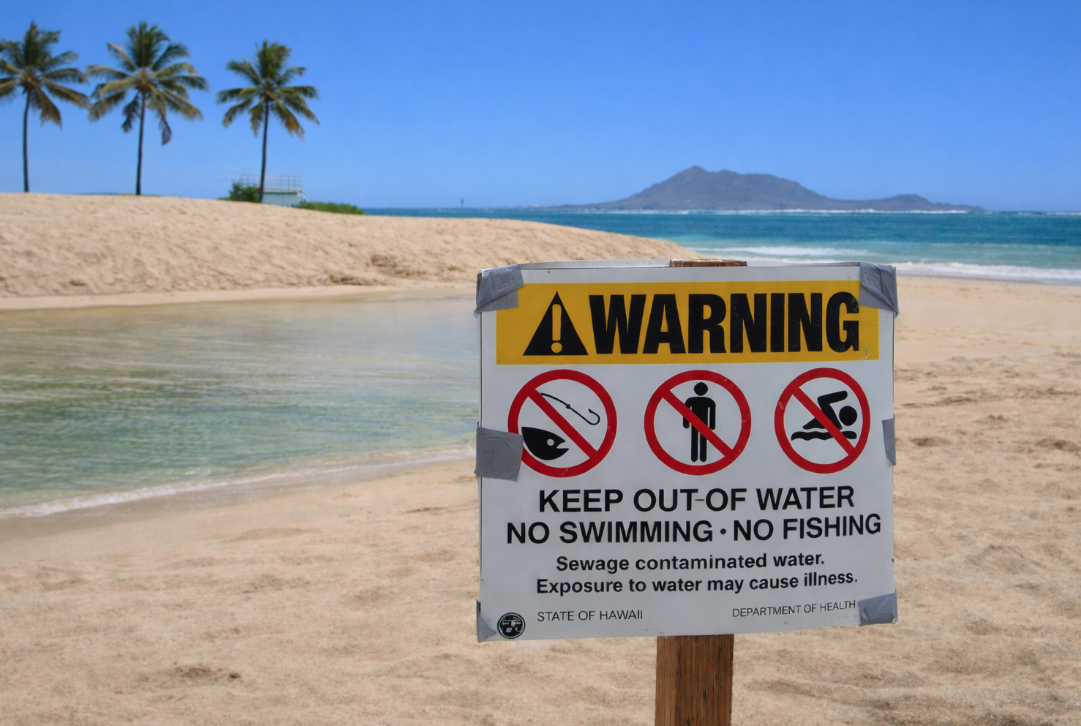
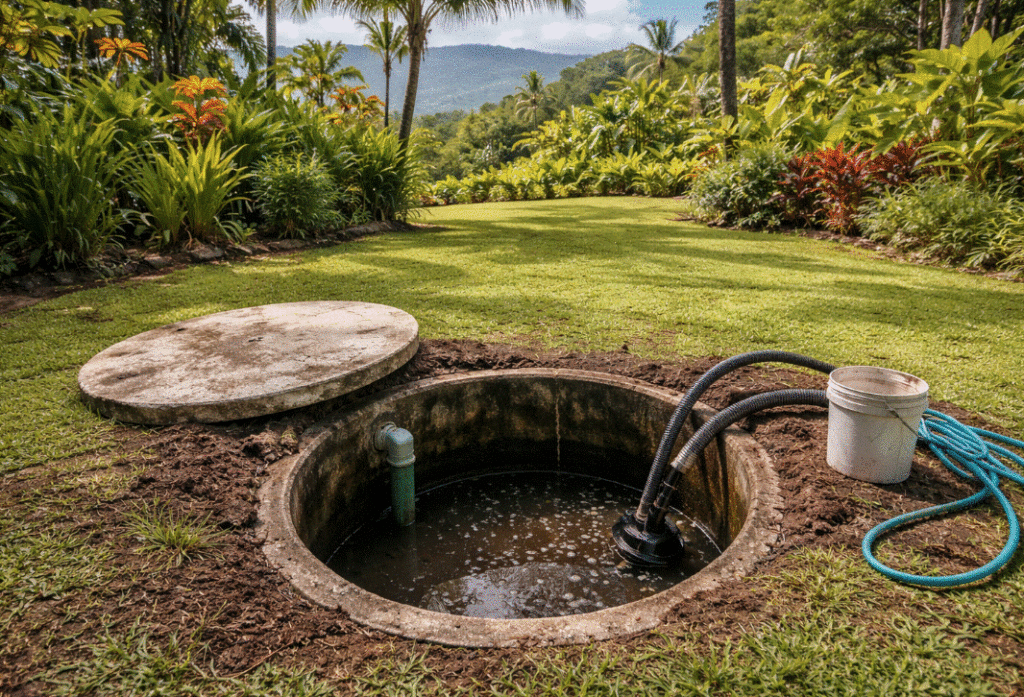
Cesspools represent the most basic form of wastewater management and provide little to no treatment before discharging sewage into the ground. In Hawaiʻi, this poses an especially severe risk due to porous volcanic soils and the close connection between groundwater, surface waters, and nearshore marine environments.
According to the Hawaiʻi Department of Health (DOH), there are approximately 88,000 cesspools statewide, located across the islands as follows:
- Nearly 50,000 on the Big Island
- Almost 14,000 on Kauaʻi
- Over 12,000 on Maui
- More than 11,000 on Oʻahu
- Over 1,400 on Molokaʻi
Source: 👉 Hawaiʻi DOH – Cesspool Information https://health.hawaii.gov/wastewater/home/cesspools/
Of these, approximately 43,000 cesspools pose a direct risk to Hawaiʻi’s water resources. Many facilities operate in environmentally sensitive areas, including:
- About 6,700 cesspools within 200 feet of perennial stream channels
- Roughly 31,000 cesspools sit within perennial watersheds on Hawaiʻi Island, Kauaʻi, Maui, and Molokaʻi.
Collectively, cesspools in Hawaiʻi release an estimated 53 million gallons of untreated sewage into the ground every day, according to the U.S. Environmental Protection Agency (EPA).
Source: 👉 EPA – Cesspools in Hawaiʻi https://www.epa.gov/hi/cesspools-hawaii
The impacts are far-reaching — as they can degrade drinking water quality (90% of Hawaii’s drinking water comes from groundwater, according to state officials), contribute to nutrient pollution, harm coral reefs, and increase health risks for residents and visitors alike.
Act 125 and the 2050 Elimination Mandate
Recognizing the urgency of the issue, Hawaiʻi passed Act 125 during the 2017 legislative session. This key legislation requires the replacement of all cesspools statewide by 2050.
🔗 Full text of Act 125 (SLH 2017): https://www.capitol.hawaii.gov/session2017/bills/ACT125_.HTM
Act 125 also directs the Hawaiʻi Department of Health (DOH) to:
- Evaluate residential cesspools across the state
- Develop a report to the Legislature outlining a prioritization method for cesspool upgrades
- Coordinate with the Department of Taxation to explore funding options that reduce the financial burden on residents
Additional background from DOH: 👉 https://health.hawaii.gov/wastewater/home/cesspools/cesspool-upgrade/
Why Centralized Sewer Expansion Alone Won’t Solve the Problem
While expanding centralized sewer systems may be appropriate in some urban areas, it is not a universal solution for Hawaiʻi. Centralized sewer expansion often faces:
- Extremely high construction and permitting costs
- Challenging terrain and sensitive environmental areas
- Long project timelines that conflict with the 2050 deadline
- Limited feasibility for remote or low-density communities
As a result, many areas require decentralized wastewater treatment solutions (i.e., MBBR Systems) that can be implemented quickly, efficiently, and at scale.
What Are MBBR Systems?
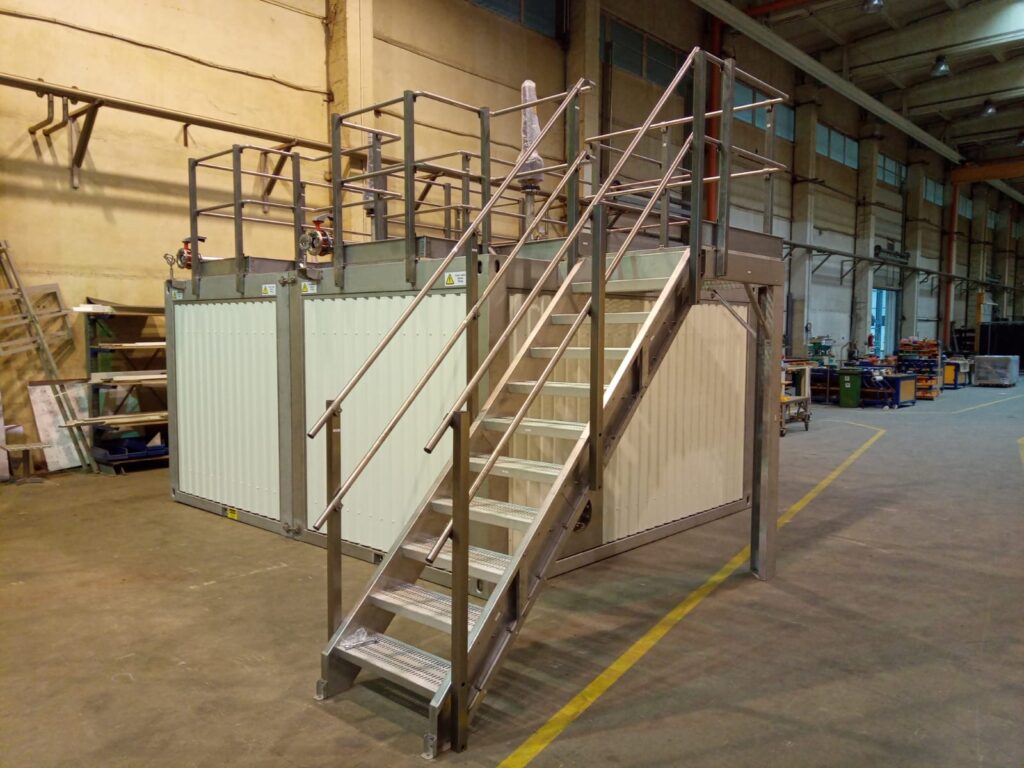
Moving Bed Biofilm Reactor (MBBR) systems are widely used biological wastewater treatment technology known not only for their reliability but also for their packaged, compact design. MBBR systems use floating plastic carrier media that support beneficial bacteria, enabling effective treatment in relatively small tanks.
Particularly, MBBR technology is recognized worldwide and widely implemented in decentralized applications.
👉 EPA – Advanced Wastewater Treatment Technologies https://www.epa.gov/water-research/advanced-wastewater-treatment-technologies
Why Compact Modular MBBR Systems Make Sense for Hawaiʻi
- Small Footprint for Land-Limited Sites
- Compact modular MBBR systems are especially well-suited for Hawaiʻi’s land constraints, fitting into tight parcels and minimizing site disturbance.
- Decentralized Treatment for Dispersed Communities
- Treating sewage near the source reduces the need for long sewer networks and improves system resilience — critical for island communities.
- Modular and Scalable Implementation
- Modular MBBR systems support phased deployment, allowing communities to address high-risk cesspools first, then expand capacity as funding becomes available.
- Nutrient Reduction to Protect Reefs and Water Resources
- By reducing nitrogen and organic loading, decentralized treatment helps protect nearshore waters and coral reefs. Markedly, it supports Hawaiʻi’s environmental and tourism economy.
- Reduced Operator Burden
- Modern systems can integrate automation, controls, and remote monitoring. Simultaneously, you will reduce staff requirements and improve long-term reliability.
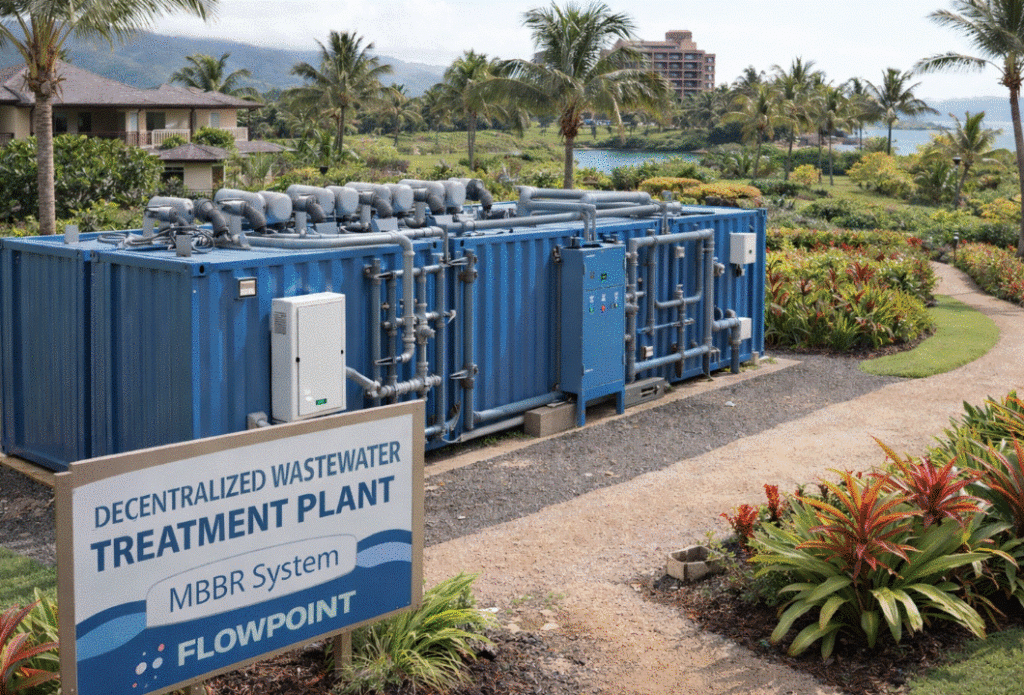
A Practical Path Toward 2050
Eliminating 88,000 cesspools will require thousands of site-specific solutions. Compact modular decentralized MBBR systems provide a realistic, scalable, and environmentally responsible option — particularly where centralized sewer expansion isn’t practical.
By combining decentralized treatment with strategic planning and funding support under Act 125, Hawaiʻi can protect its water resources and preserve its reefs while also meeting the 2050 cesspool elimination mandate.
Choose Flowpoint as your MBBR Systems Partner
At Flowpoint Systems, we design decentralized, modular MBBR (Moving Bed Biofilm Reactor) wastewater treatment solutions tailored for varying scenarios. Built for residential communities and remote locales, our systems scale seamlessly with your needs. Further delivering efficient, sustainable, and dependable treatment at every stage of growth.
As infrastructure standards continue to rise, paired with aging infrastructure replacement initiatives, decentralized MBBR wastewater treatment has moved well beyond a niche application. Altogether, it is a proven, future-ready approach supported by real-world installations and established industry best practices.
Basically, the future of wastewater is modular and decentralized systems are shaping the next generation of packaged wastewater treatment.
With MBBR technology, that future isn’t coming—it’s already here.