
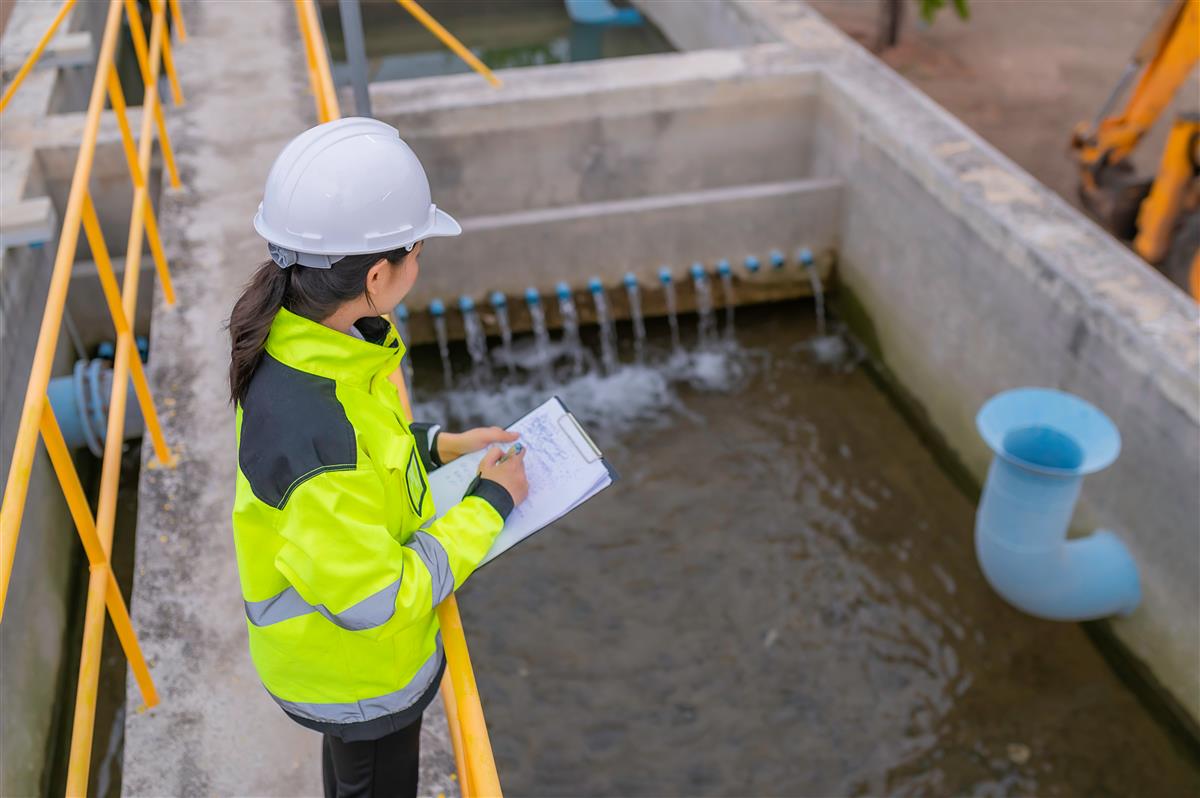
In wastewater treatment, innovation is key to addressing the growing challenges posed by urbanization and industrialization. One revolutionary solution gaining recognition is the Moving Bed Biofilm Reactor (MBBR), especially as a decentralized wastewater treatment solution. MBBR stands out as a cutting-edge technology that offers a myriad of advantages.
In this blog post, we explore the top 10 reasons to consider MBBR for decentralized wastewater treatment. We explain what MBBR is, how it works, and why it has gained popularity. Compared to similar solutions, MBBR offers reliable treatment with a smaller footprint and less complexity than traditional centralized plants.
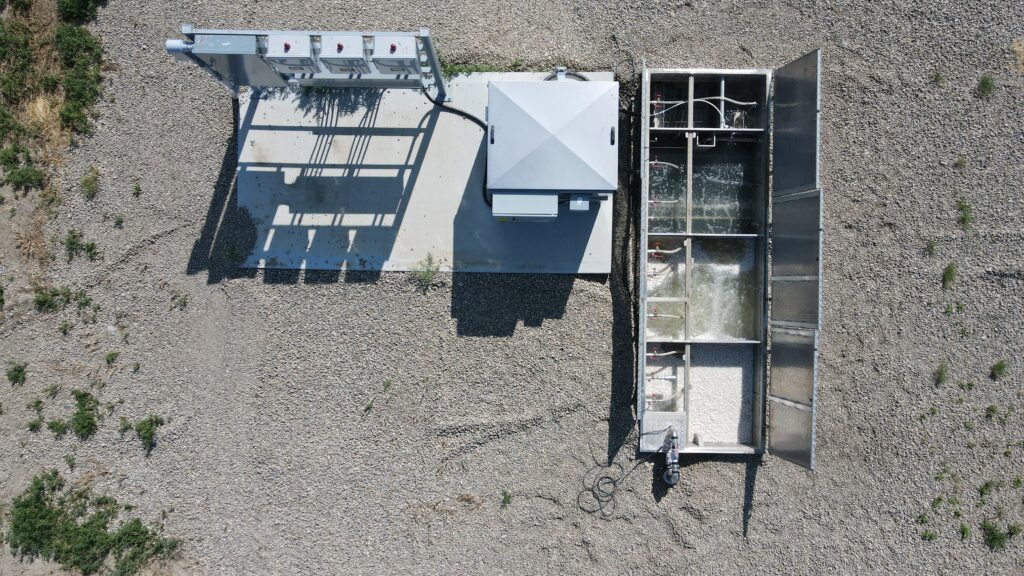
Efficient and Enhanced: MBBR Decentralized Wastewater Treatment Solution
MBBR is a variation of the fixed-film activated sludge process that employs the addition of porous media in an aeration tank or bioreactor. It is a unique technique that provides a higher biomass concentration in the aeration tank. The moving-bed carriers within the bioreactor increase the surface area available for microorganisms to attach and thrive. Correspondingly, this results in a highly efficient biodegradation process, providing for an effective removal of pollutants from wastewater.
Compact Footprint: Packaged Wastewater Treatment
One of the most significant advantages of MBBR is its compact design. Media carriers provide additional surface area for biofilm growth, creating increased biomass concentration in the bioreactor. The system’s efficiency allows for a smaller physical footprint than competitive wastewater treatment methods, making the MBBR an ideal choice for decentralized applications where space may be limited and offering flexibility in installation.
Scalability
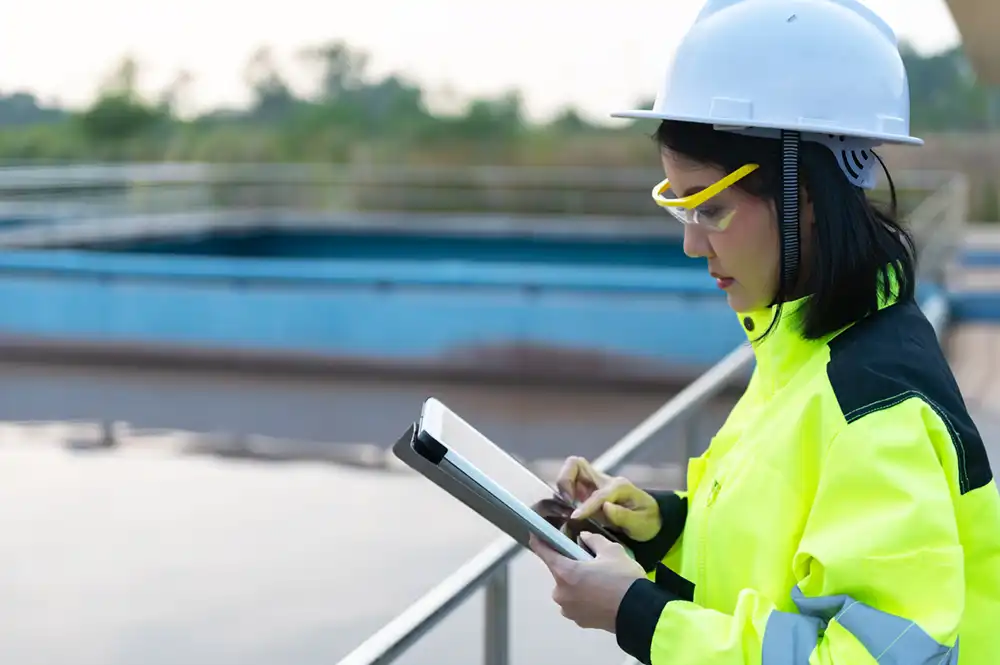
You can scale MBBR systems to match changing needs as flows and loadings rise and fall over time. Whether you serve a small community, a growing development, or a large industrial facility, you can adapt MBBR technology to your needs. To handle ranging wastewater volumes and strengths, the capacity can be increased by adding media, expanding reactor volume, or adding modular treatment trains. Equally important, this happens with minimal disruption to ongoing operations.
This scalability helps avoid overbuilding upfront, supports phased upgrades, and keeps capital and operating costs aligned with real-world requirements. That flexibility translates to long-term cost-effectiveness and resilience as regulations, site conditions, and wastewater treatment needs continue to evolve.
Robust Performance for your Fluctuating Loads: Decentralized Wastewater Treatment Solution
Despite best efforts and practices, operators with a decentralized wastewater treatment solution often face varying influent loads. Conversely, MBBR systems excel at handling these variations, providing stable, reliable performance. The innate flexibility of MBBR allows it to adapt to changes in wastewater composition and flow rates, ensuring consistent treatment outcomes and giving you the confidence you need in your process.
Reduced Sludge Production
Moving Bed Biofilm Reactor (MBBR) promotes lower sludge production than other treatment methods and improves volumetric nitrification rates. The ability to achieve denitrification in anoxic zones within the biofilm depth of the same aeration tank, without sludge recirculation, results in no surplus sludge production, minimizing the need for sludge management and contributing to overall operational cost savings.

Energy Efficiency
MBBR systems typically require lower energy inputs than more traditional packaged wastewater treatment methods. Optimized bacterial activity and efficient treatment processes reduce energy consumption, making MBBR an environmentally friendly and cost-effective solution for decentralized wastewater treatment.
Quick Start-Up and Shutdown
MBBR systems, by and large, boast rapid start-up times, allowing for swift response to changes in wastewater treatment demands. The ease of initiating and shutting down the system enhances operational flexibility, making it an efficient solution for decentralized facilities with variable operating schedules.
Resilience to Shock Loads
Shock loads, characterized by sudden increases in wastewater strength, can be challenging for traditional treatment systems. MBBR, with its dynamic biomass, is robust and can handle shock loads. Biomass naturally adapts to changing conditions and can withstand sudden spikes in organic load without compromising treatment efficiency, ensuring a stable, reliable wastewater treatment process.
Minimal Maintenance Requirements: MBBR Packaged Wastewater Treatment
MBBR systems are known for their ease of operation and low maintenance requirements, making them a practical choice for facilities with limited staffing or without the required expertise. Because the process relies on biofilm growing on carrier media, it avoids many complex structures.
With fewer components to service, operators focus on routine checks rather than constant adjustments. In addition, MBBR reduces sludge-related headaches, including frequent handling, thickening, and disposal. For that reason, the process often produces less excess biomass and simplifies solids management.
Together, these advantages create a wastewater treatment system that runs reliably with straightforward upkeep. Further helping organizations reduce downtime, minimize troubleshooting, and achieve lower long-term operating costs.

Compliance with Stringent Effluent Standards
MBBR technology consistently delivers high-quality effluent that meets strict regulatory standards. Whether for environmental compliance or reuse, MBBR systems provide a reliable solution for achieving and maintaining your water quality goals.
In conclusion, the Moving Bed Biofilm Reactor (MBBR) stands as a beacon of innovation in decentralized wastewater treatment. Its efficiency, compact design, ease of use, scalability, and adaptability make it a compelling choice for a wide range of applications.
As we navigate the challenges of urban sprawl alongside the desire for a sustainable environment, MBBR emerges as a key player. Ensuring efficient and reliable wastewater treatment for communities, industries, and municipalities seeking resilient, scalable infrastructure solutions today.