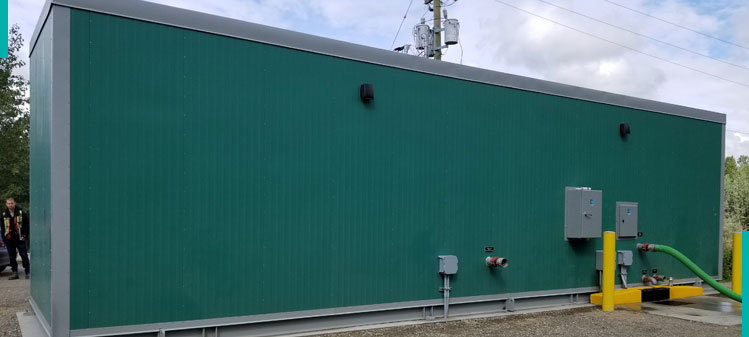
Septage receiving facilities are critical components of wastewater treatment systems. Generally designed to handle and process the waste collected from septic tanks and portable toilets, trucked in from varying locales.
Septage delivered to these facilities, also known as wastewater tipping stations, often contains solids and trash. Operators must remove this material to protect downstream equipment and maintain safe, reliable operations.
In this blog post, we will explore why it is essential to remove trash and solids from septage receiving operations and highlight the benefits for the facility itself, your treatment process, and the environment.
Septage Receiving Facility: Protecting Treatment Equipment
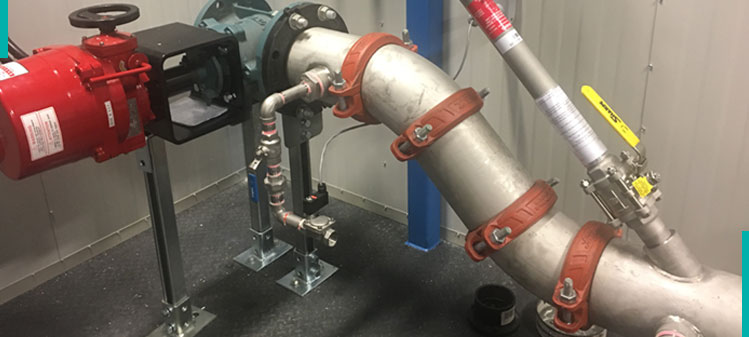
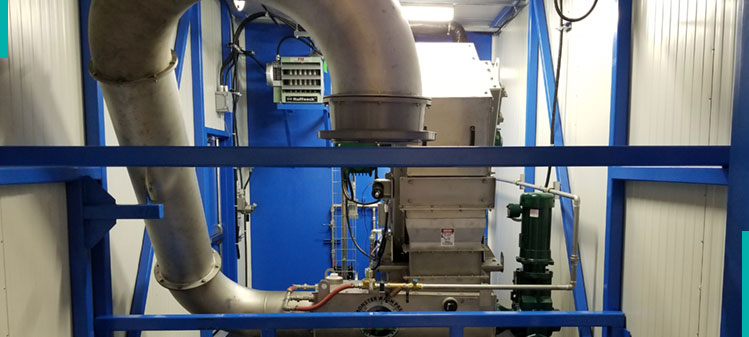
A sewage receiving facility typically relies on pumps, screens, grinders, valves, and piping to transfer and condition incoming waste before it moves downstream. Because these components operate continuously and often under high loads, they depend on steady flow and predictable materials handling.
Solid materials such as plastics, wipes, rags, gravel, and miscellaneous debris can quickly disrupt operations. They clog screens, foul sensors, jam impellers, and accelerate wear on pumps and cutters. Over time, this leads to more shutdowns, higher maintenance costs, and increased risk of overflows or safety incidents. Effective solids removal and screening up front helps protect equipment, stabilize performance, and extend service life.

Enhance Septage Receiving Efficiency
Septic receiving facilities handle organic waste, including human waste and wastewater. However, excessive solids and trash can interfere with the treatment process. Solid particles can settle in tanks or clog pipes, reducing hydraulic capacity and impairing treatment performance.
By removing these solids early, the treatment system can run more efficiently and with fewer interruptions, reducing clogging and wear, improving flow consistency, and helping downstream processes perform as designed.
With cleaner influent entering the septage receiving facility treatment train, operators achieve more stable treatment. The results are better overall effluent quality. That reliability supports ongoing compliance with regulatory limits. Reducing the risk of permit violations and lowering the likelihood of emergency maintenance or unplanned shutdowns at the septic receiving facility.
Sewage Receiving Facility: Reduces Environmental Impact
Septage often contains non-biodegradable materials such as plastics, metals, and other solid waste.
If the sewage receiving facility (wastewater tipping station) does not remove these materials, they can enter the treatment plant and impact the environment.
Septage often contains non-biodegradable materials such as plastics, metals, wipes, and other solid waste. Of which, should never reach downstream treatment processes. These materials come from various sources, such as pump-outs, damaged tanks, or improper disposal into septic systems. They can vary widely from load to load and are nearly impossible to forecast.
When the sewage receiving facility (wastewater tipping station) doesn’t remove solids, they can pass into the plant, disrupting operations. They can clog screens, damage pumps, and reduce treatment efficiency, which increases the risk of overflows, bypass events, and equipment failures. In the worst cases, debris can carry through to biosolids handling or effluent pathways, contributing to pollution and environmental harm. Effective front-end screening at the septage receiving facility supports solids management and protects the plant. Further, it supports compliance and reduces the likelihood of releases to the environment.
Plastics and other debris can break down into microplastics that persist in the environment and harm aquatic life and ecosystems. By removing trash and solids effectively at the septage receiving facility, operators reduce the amount of persistent material entering the treatment process, helping minimize the overall environmental footprint of wastewater management.
Preventing Odor and Nuisance
Trash and solids present in septage can contribute to foul odors and aesthetic issues, especially during unloading and screening. These odors can be unpleasant for facility workers. Worse for you, they can impact nearby residents and the surrounding community, leading to complaints and increased scrutiny.
By implementing efficient methods for removing trash and solids, septic receiving facilities can minimize odor generation. Overall, improving the working environment and enhancing community relations, while also reducing nuisance impacts during peak hauling periods.
Compliance with Regulations
Regulatory bodies often impose strict guidelines for the handling and treatment of septage. These regulations may include requirements to remove trash and solids from septage before processing to protect infrastructure and environmental quality.
By adhering to these regulations, septage receiving facilities can avoid potential penalties and maintain compliance, demonstrating their commitment to responsible waste management practices and long-term operational reliability.
Resource Recovery Opportunities
In some cases, removing solids and trash from septage can create resource recovery opportunities. For instance, you can recycle or repurpose some solid waste to reduce total waste volume and promote a circular economy.
By implementing separation equipment to support proper recovery, septage receiving facilities can contribute to waste reduction and sustainable resource management, improve efficiency, and support long-term environmental goals.
A septage receiving facility stops trash and solids before they reach your wastewater treatment plant. Providing essential protection to maintain system integrity and operational efficiency.
By prioritizing trash and solids removal, septage receiving facilities strengthen the wastewater treatment process from the start. They continually protect downstream equipment and help stabilize overall treatment performance. Becoming a great approach by reducing the risk of spills, bypasses, and unplanned shutdowns affecting nearby waterways.
This proactive approach also reduces odors and nuisance conditions, supports consistent regulatory compliance, and improves the experience for haulers and operators alike. In doing so, septage receiving facilities play a crucial role in responsible waste management and help deliver a cleaner, healthier environment for the communities they serve.