
The Cost of NOT Having Unattended Septage Receiving
Many municipalities are treating septage receiving as a secondary issue—something to deal with “later.” But in 2026, that delay is getting expensive. Whether you’re managing a lagoon system, a small wastewater facility, or a growing rural community, not having a dedicated unattended septage receiving station can quietly drain your budget, strain your infrastructure, and increase compliance risk. This guide breaks down not only the real cost of doing nothing, but why more municipalities are rethinking their approach. Furthermore, you will understand how a septage receiving system supplier like Flowpoint can help you today and in the future with physical stations as well as software managing septage haulers.
‘Game-changing’ $3.6M septage deal may be largest in Tiny’s history
Introduction to Complete Septage Receiving Systems
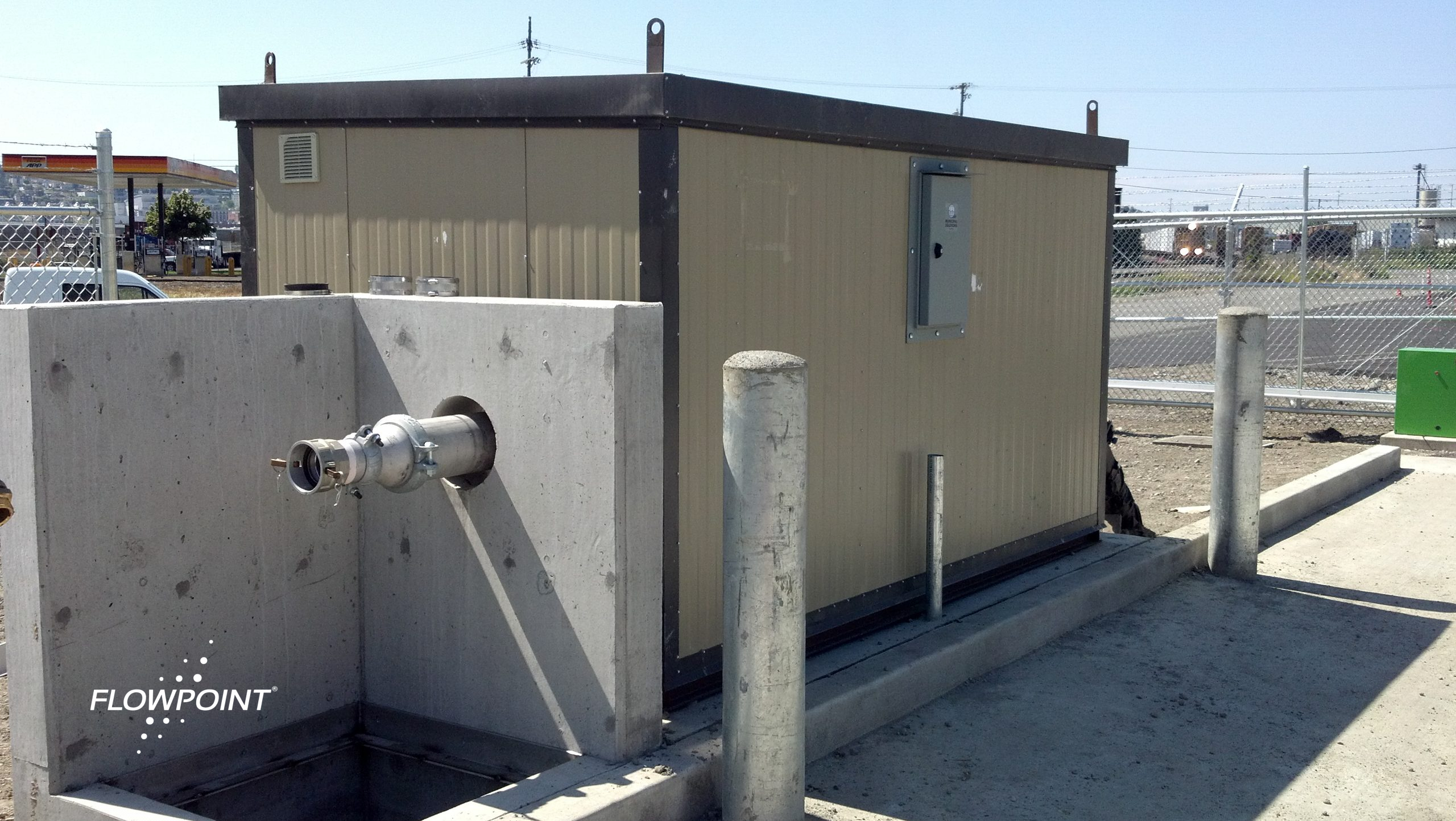
An automated, unattended septage receiving station enables municipalities to safely and efficiently manage hauled liquid waste entering their wastewater treatment facilities under controlled conditions. Accordingly, it gives operators clear visibility and confidence in what is impacting their treatment process.
At their core, these solutions verify hauler identity and accurately measure and log each discharge by volume and time. They can also enforce load restrictions and scheduling requirements, helping to safeguard downstream treatment operations. By automating access, monitoring, and data capture through software managing septage haulers, utilities can significantly reduce manual workload while improving regulatory compliance and gaining complete oversight of hauled waste streams.
In addition, municipalities benefit from dependable revenue generation through precise, trackable dumping fees. What was once a labor-intensive, manual process becomes a secure, self-service system that supports cost recovery and operational efficiency.

Financial implications of not having a process in place
What happens without complete septage receiving systems?
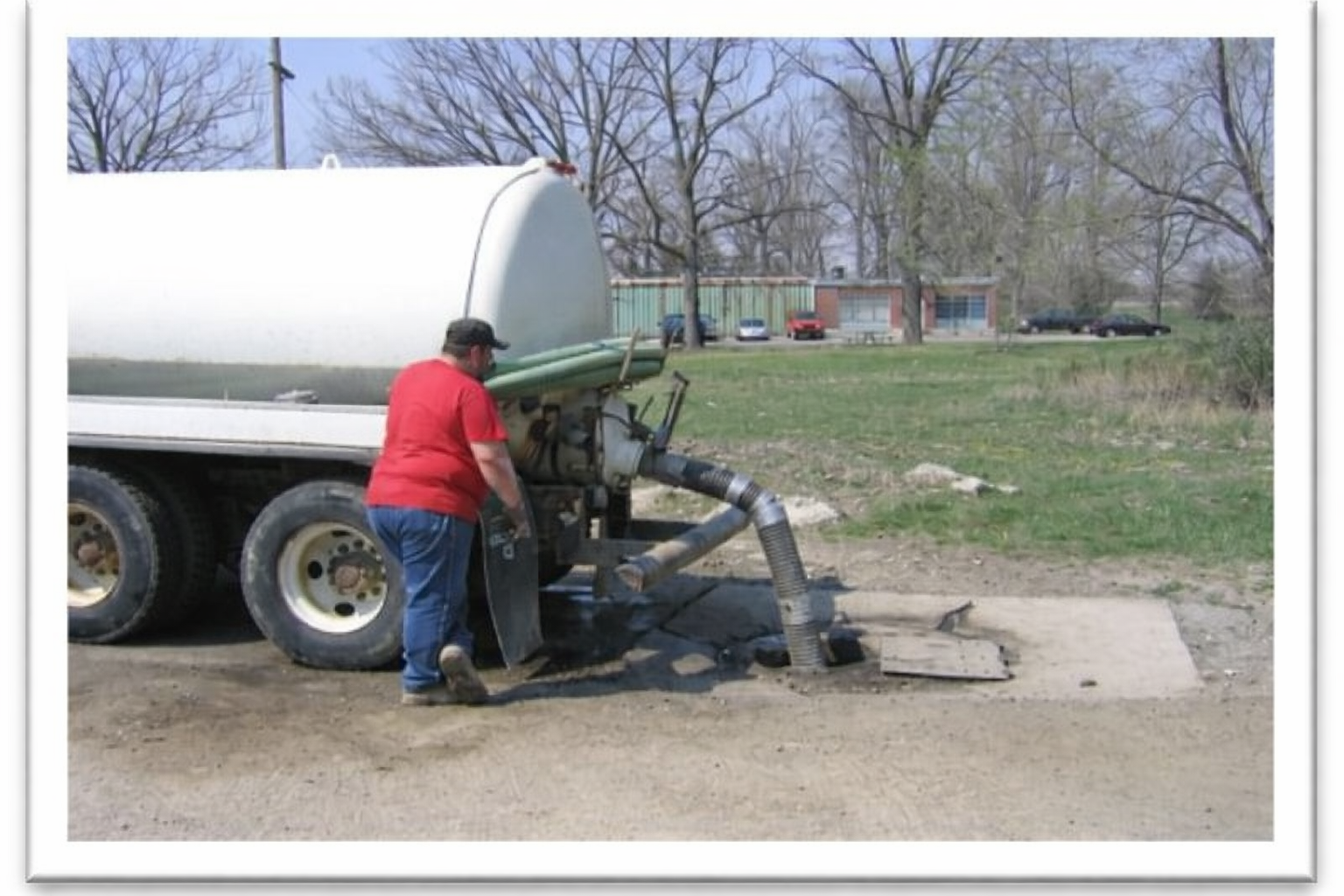
When there’s no formal receiving infrastructure, septage typically ends up:
- Discharged manually into lagoons or maintenance holes
- Handled inconsistently by operators
- Poorly tracked (or not tracked at all)
- Introduced not only uncontrolled times but also unknown volumes
At first glance, this might seem manageable. But over time, it creates a chain reaction of hidden costs.
1. Increased Lagoon and Treatment System Stress
Septage is significantly stronger than typical municipal wastewater because it contains:
- Higher BOD (biochemical oxygen demand)
- Higher solids concentration
- Variable composition
When dumped directly into lagoons or treatment systems without control, it can:
- Overload biological processes
- Disrupt treatment efficiency
- In the long run, accelerate sludge buildup
The cost:
- More frequent dredging
- Reduced system lifespan
- Emergency interventions
Altogether, a single lagoon dredging project can easily exceed $250,000–$1M+, depending on size and conditions.
2. Compliance and Regulatory Risk: Environmental Risks of Unattended Septage Receiving
Environmental regulations across Canada and the U.S. are tightening—especially around:
- Effluent quality
- Both reporting and tracking
- Nutrient loading
Without a proper receiving station, municipalities often lack:
- Accurate records of incoming septage volumes
- Control over discharge timing
- Monitoring of contaminants
The risk:
- Non-compliance violations
- Without a doubt, fines and enforcement actions
- Mandatory system upgrades
One compliance issue can trigger hundreds of thousands of dollars in upgrade costs—generally exceeding the cost of prevention.
3. Lost revenue Opportunities
Complete septage receiving systems aren’t explicitly a cost center—they’re a revenue stream. Municipalities with controlled receiving systems can:
- Charge per load
- In detail, track hauler activity
- Automate billing
Without a system in place:
- Loads go untracked
- Fees are both inconsistent and unenforced
- Revenue is lost
The cost:
- Tens to hundreds of thousands of dollars in missed annual revenue
It is important to realize that many municipalities recover the cost of a receiving station within a few years or less through proper tracking and user fees alone.
4. Operational Inefficiency and Staff Burden
Moreover, manual septage handling creates unnecessary workload for operators:
- Coordinating access for haulers
- Supervising dumping
- Recording volumes manually
- Not to mention, responding to system disruptions
In addition, this leads to:
- Increased labor hours
- Surely a higher risk of human error
- Operator frustration and burnout
The cost:
- Ongoing operational inefficiency
- Reduced capacity to focus on significantly higher-value tasks
In a time when skilled operators are already in short supply, this is a growing issue.
5. Odor, Spill, and Community Complaints
Uncontrolled dumping at your unattended septage receiving location markedly increases the likelihood of:
- Odour events
- Not only spills but also overflows
- Improper disposal practices
These issues don’t just affect operations—they also affect your community.
The cost:
- Public complaints
- Political pressure
- Specifically, reputational damage
And once complaints escalate, municipalities are often forced into reactive (and particularly expensive) solutions.
6. Lack of Data = Poor Decision Making
Without a receiving station, most municipalities surely lack reliable data on:
- Volume trends
- Peak usage periods
- Hauler activity
- System loading impact
Overall, this makes it difficult to:
- Plan upgrades
- Justify budgets
- Optimize operations
The cost:
- Inefficient capital planning
- Overbuilt or underperforming systems
What Does a Modern Unattended Septage Receiving Station Solve?
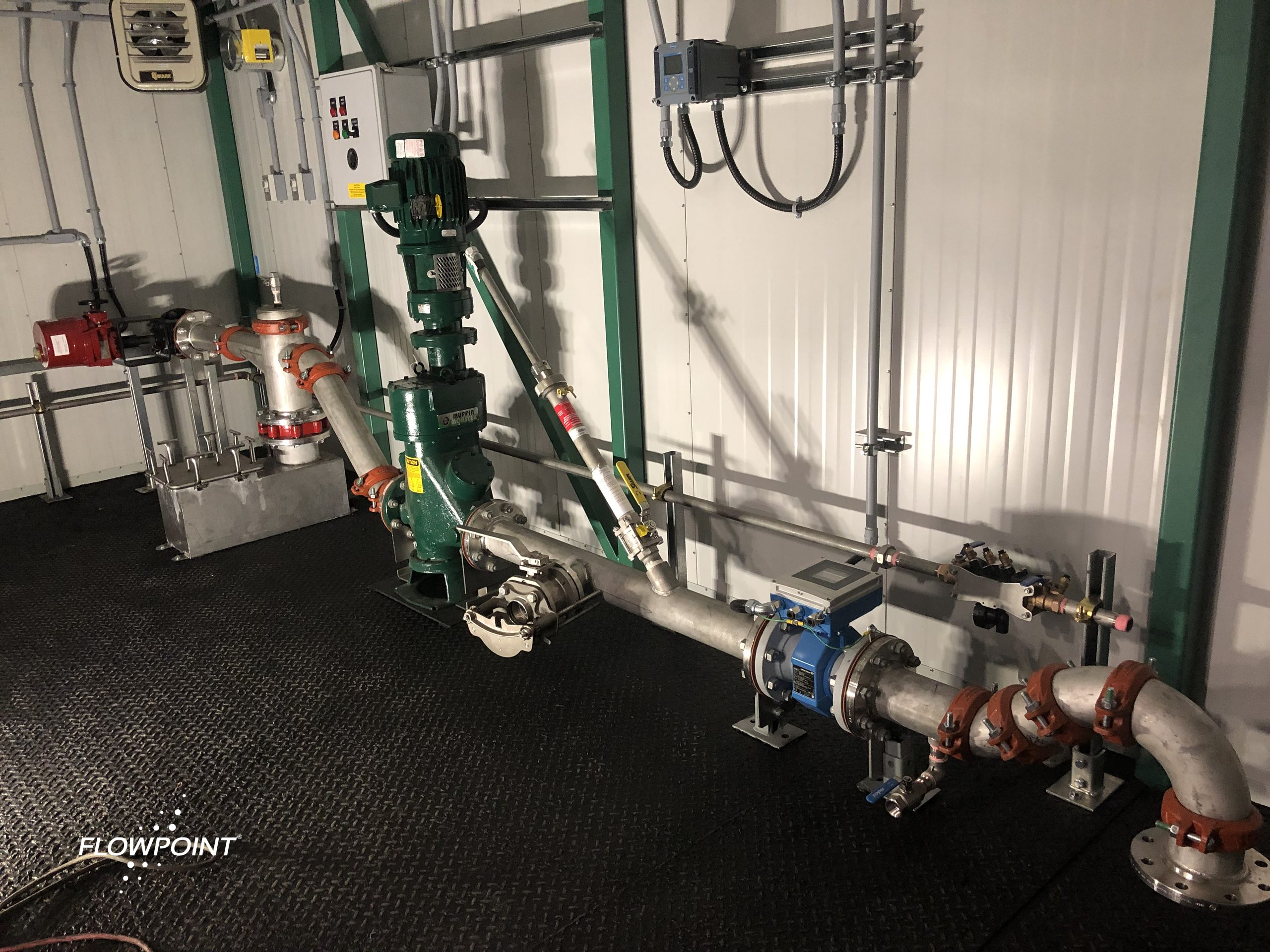
A properly designed receiving system provides:
- Controlled discharge (hence protecting treatment processes)
- Automated tracking and reporting
- Revenue collection through metering and billing
- Improved operator efficiency
- Reduced environmental risk
Modern modular systems can be:
- Subsequently installed quickly
- Scaled with community growth
- Integrated with existing infrastructure
Why More Municipalities Are Acting Now
At this point, several trends are accelerating adoption:
- Stricter environmental regulations
- Aging lagoon infrastructure
- Population growth in rural and peri-urban areas
- Increased hauling activity
In summary, municipalities are realizing that the cost of doing nothing is no longer negligible—it’s measurable, recurring, and growing. Flowpoint, which has operated as a septage receiving system supplier for more than 30 years, provides solutions that address these issues before they become a line item in your budget.
A Simple Cost Comparison
While costs vary, here’s a simplified comparison:
| Scenario | Estimated Impact |
| No receiving station | Lost revenue + system stress + compliance risk |
| Basic manual solution | Limited control, ongoing inefficiencies |
| Automated receiving station | Controlled input + revenue generation + long-term savings |
In many cases, the payback period for a modern system is 1–5 years when factoring in avoided costs and new revenue.

Smart Monitoring and Control with Software Managing Septage Haulers
A modern unattended septage receiving system supplier, such as Flowpoint, equips communities with advanced automation and monitoring capabilities. Through platforms like Septage+, operators receive software managing septage haulers, further permitting them to:
- Track wastewater dumping and flow patterns in real time
- Monitor system performance and residual trends
- Control access and pricing for different user groups
- Generate reports for compliance and planning
This level of visibility allows utilities to move from reactive maintenance to data-driven system optimization.
Conclusion: Addressing the Issue with a Septage Receiving System Supplier
Not having a septage receiving station doesn’t always create immediate problems—but it almost always creates expensive long-term ones. From infrastructure strain and compliance risk to lost revenue and operational inefficiency, the hidden costs add up quickly.
For municipalities, the question is obviously shifting from “Can we afford to build complete septage receiving systems?” to “Can we afford not to?”
Want to Understand Your Local Impact?
Every system is unquestionably different. If you’re evaluating your options, a quick assessment can help you estimate:
- potential revenue
- infrastructure impact
- implementation cost
Request an assessment or budget estimate from a septage receiving system supplier, such as Flowpoint, to determine what makes sense for your community.