
Unlocking Revenue, Utilizing Efficient Processes, and Conserving Resources with Engineered-to-Order Water and Wastewater Systems
Utilities are at a critical moment with increasing regulatory pressure, aging infrastructure, and persistent staff shortages. All of which are converging with rising operational costs, forcing utilities to do more with less. At the same time, communities demand greater accountability in the management, billing, and conservation of water resources. Traditional approaches are often reliant on field-built infrastructure, various vendors, and manual administrative processes. In short, such approaches are insufficient to evolve and meet demands efficiently or sustainably. Packaged and engineered-to-order water and wastewater systems, such as bulk water sales solutions, pressure control stations, Moving Bed Biofilm Reactor (MBBR), and septage receiving sales solutions, will rapidly replace traditional solutions.
In this environment, utilities must look beyond tiny improvements. Driving industry leaders to adopt integrated, technology-driven solutions that simultaneously enhance operational performance and financial stability. One of the most promising approaches is adopting packaged and Engineered-to-Order Water and Wastewater Systems. These solutions combine prefab infrastructure with advanced automation and cloud-based management tools. Further, it enables utilities to streamline deployment, reduce administrative burden, and improve system visibility.
Revenue Optimization
Beyond operational efficiency, engineered-to-order (ETO) systems present a significant opportunity for revenue optimization. Many utilities don’t know they lose income through unmetered usage, inconsistent billing practices, or old manual processes. By implementing automated dispensing, monitoring, and billing systems, utilities can capture previously untracked revenue while they improve transparency and customer accountability.
Equally important, these systems support long-term resource conservation, reduce chemical usage, minimize waste, and enable more efficient treatment processes. As utilities balance fiscal responsibility with environmental care, integrated ETO solutions offer a practical path forward.
The following blog explores how these technologies can unlock revenue, improve efficiency, and protect vital water resources. Flowpoint is a member of the Ontario Municipal Water Association, which recognizes that manufacturers and consultants are key parties to this team effort.
Background: Packaged and Engineered-to-Order Water and Wastewater Systems
Both rural and municipal water utilities face increasing regulatory requirements, aging infrastructure, labor force shortages, and rising operational costs. At the same time, utilities must protect limited water resources and maintain financial stability without relying solely on rate increases. Traditional field-built infrastructure often requires multiple vendors, extended construction schedules, and ongoing administrative burden.
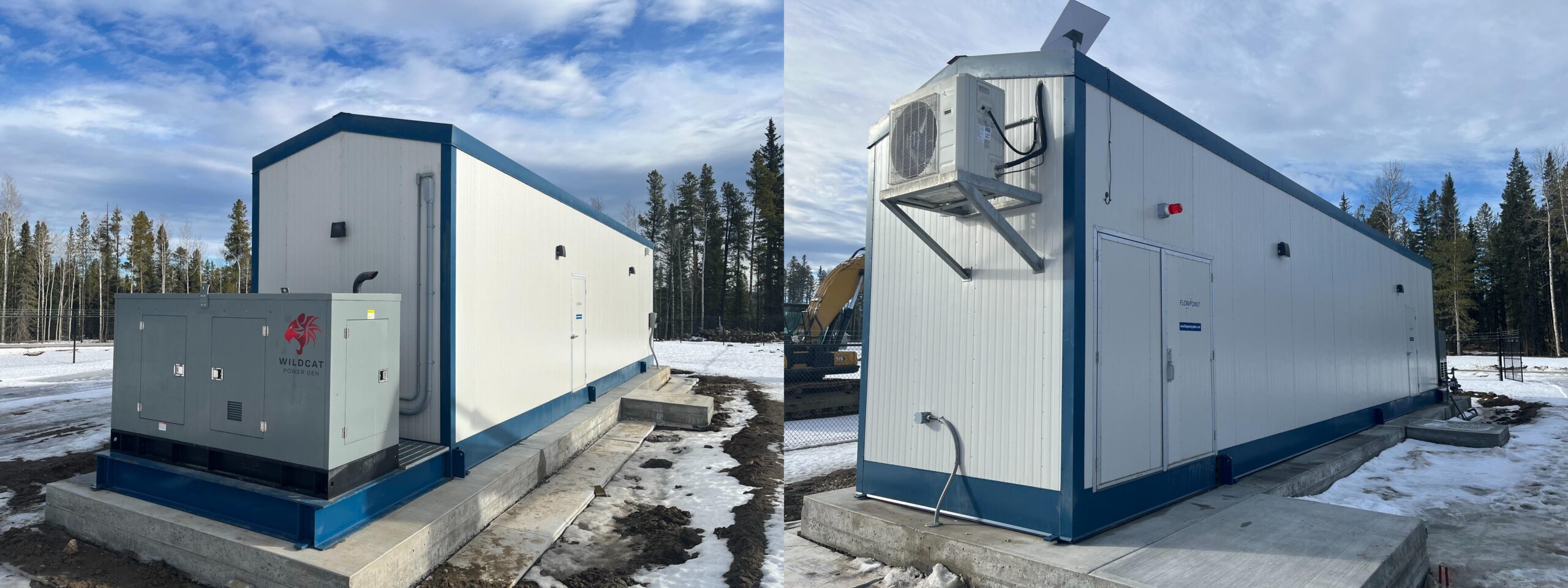
Packaged and Engineered-to-Order water and wastewater systems offer an integrated alternative. They combine prefab treatment plants, pressure control stations, bulk and reclaimed water dispensing systems, septage receiving stations, and cloud-based management software into a single unified, accountable solution.
By merging design, construction, and operational controls into a single, integrated framework, utilities can reduce project complexity and improve accountability and performance. This approach not only advances implementation timelines but also provides scalable, future-ready infrastructure that adapts to changing regulatory demands, operational needs, and long-term sustainability goals.
Revenue Capture and Administrative Efficiency
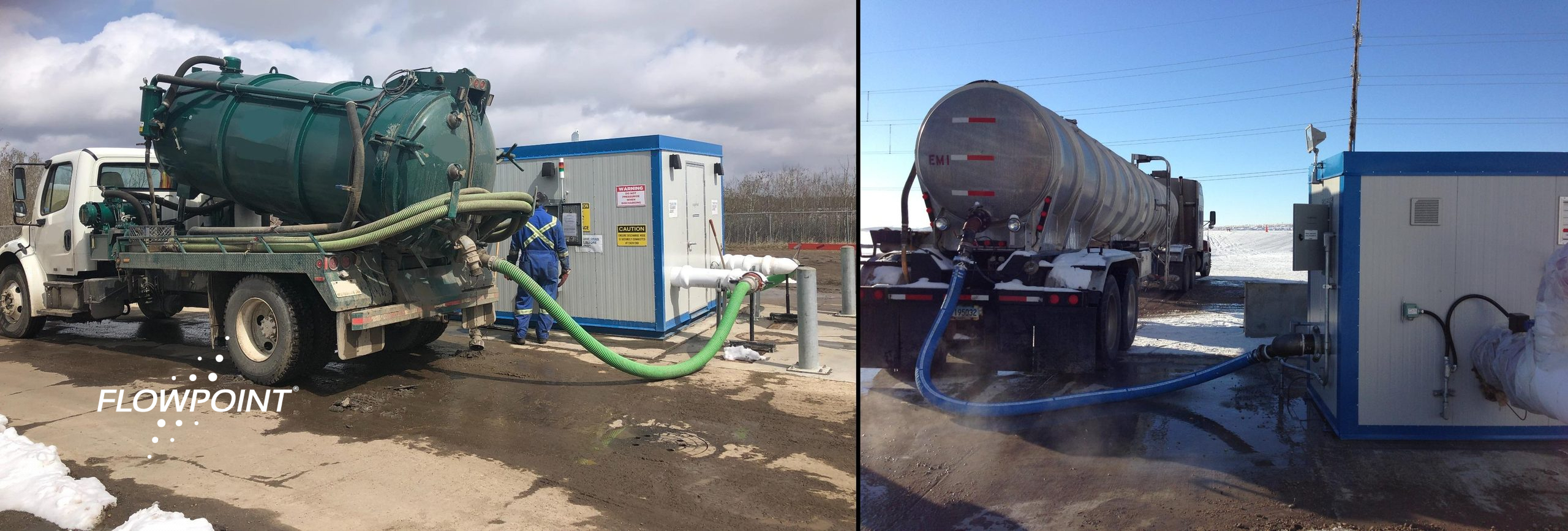
As noted, many utilities unknowingly lose revenue due to honor-based bulk water dispensing, manual septage receiving, and aging billing processes. Automated bulk water sales solutions and reclaimed water dispensing stations enable utilities to meter every gallon, automate billing (credit card, prepaid, or on-account), and generate live usage reports via remote user access. Measurable outcomes include improved billing accuracy, recovery of previously untracked water sales, reduced administrative labor hours, and prevention of illegal usage.
Deploy a Bulk Water Sales Solution or a Septage Receiving Sales Solution
Similarly, automated septage receiving sales solutions integrated with cloud-based management software provide time- and date-stamped manifests, refrigerated auto-sampling tied to hauler ID, inline parameter monitoring, and invoice automation. Utilities benefit from captured missed revenue, faster reporting, improved compliance, and better protection of headworks processes.
Altogether, these technologies create a transparent and accountable revenue ecosystem. This enables utilities to confidently track usage, enforce policies, and markedly increase financial performance. By replacing manual processes with automated, data-driven systems, operators gain practical insights that support better decision-making, strengthen customer trust, and provide long-term operational sustainability.
Operational Performance and Workforce Optimization
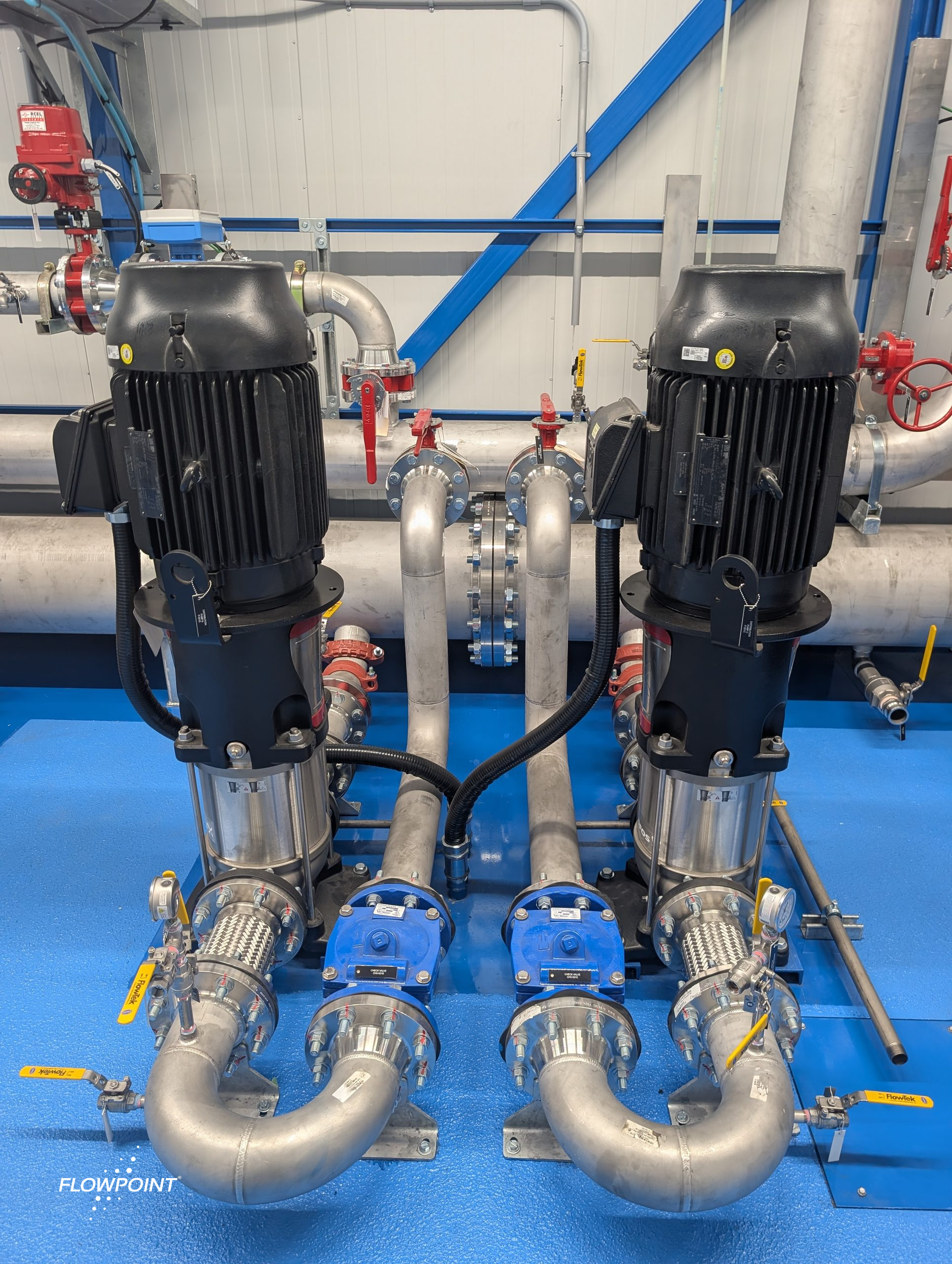
When integrating packaged and engineered-to-order water and wastewater systems with cloud-based administrative platforms, you can unify management across multiple stations. Specifically with SMS alarm messages. With 99.999% uptime design standards, utilities reduce downtime risks and free staff time from manual data entry to focus on higher-value operational tasks.
Custom modular pressure control stations reduce costly pump house construction and minimize confined space entry by providing above-ground access and factory-tested assemblies. Measurable improvements include shorter installation schedules, improved pressure stability, reduced water hammer, and lower lifecycle maintenance costs.
These integrated systems also enhance operational visibility by providing live performance data across managed assets. With improved monitoring and control, utilities can plan and address issues before they boil over. This allows them to optimize system efficiency and extend equipment lifespan. Ultimately, it aims to reduce unplanned maintenance and ensure more reliable service delivery to their communities.
Treatment Innovation and Resource Conservation
One of the many available packaged and Engineered-to-Order water and wastewater systems is the MBBR wastewater treatment system. It provides high-efficiency BOD/COD removal, nitrification, and denitrification within a compact unit. With long-life biofilm media and scalable designs, utilities achieve expandable treatment capacity, minimize land use, and receive long-term reinvestment.
Advanced biological water treatment systems remove Fe, Mn, As, and NH3 without chemical regeneration. Utilities can reduce CL2 demand by up to 90% compared to conventional systems, lower operator intervention, extend membrane life expectancy, and minimize sludge production. This results in notable reductions in chemical handling and personnel costs.
Reclaimed water stations further reduce potable demand, support long-term conservation planning and drought resilience.
Conclusion
Packaged and Engineered-to-Order water and wastewater systems provide rural utilities with a useable framework to increase revenue capture. Not to mention it will also ease administrative processes, reduce chemical and energy consumption, and extend the lifespan of infrastructure. By consolidating design, manufacturing, controls, and warranty under a single accountable provider, utilities reduce project risk and improve lifecycle cost predictability.
Adopting these solutions will position utilities to meet future challenges with confidence. This ensures resilient operations, financial stability, and responsible custody of increasingly valuable water resources.
Download a quick recap of this blog below: