
The Real Cost of Doing Nothing: Aging Water Infrastructure and Deferred Decisions
Municipal water and wastewater infrastructure across North America is aging. That’s not new information. However, many people overlook the cost of waiting to address it. In many communities, systems built decades ago are still operating beyond their intended lifespans. Pumps are failing more frequently. Treatment processes are struggling to meet evolving regulatory standards.
Operators are spending more time reacting to issues than preventing them. In many cases, the instinct is to delay upgrades. Capital budgets are tight. Approvals take time. And if the system is still technically functioning, it can feel easier to postpone the decision. But the reality is this: doing nothing is not a neutral decision. It carries measurable and increasing costs.
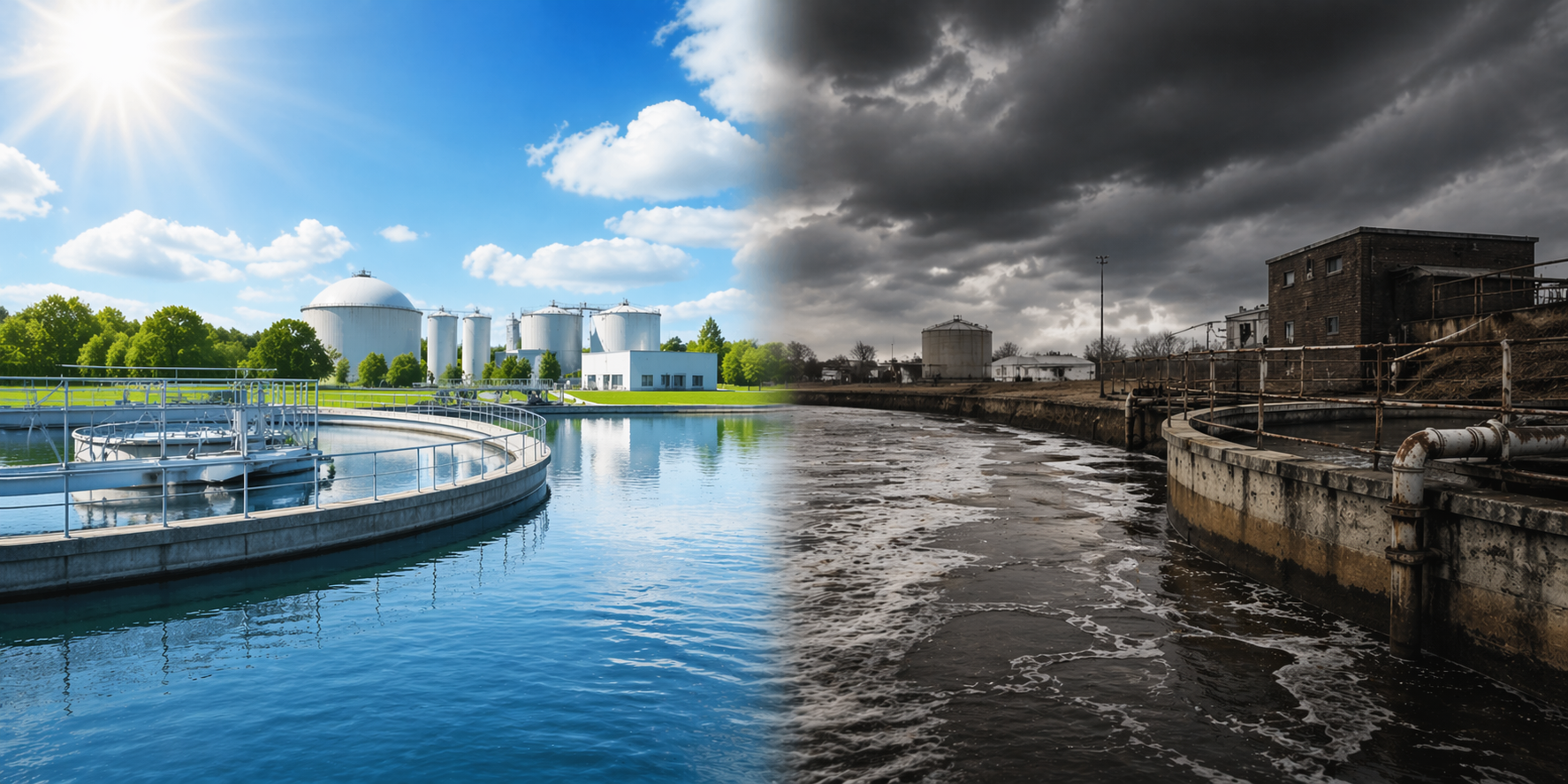
Over time, deferred maintenance compounds operational strain, increases emergency repair costs, and reduces the reliability communities depend on every day. Postponing critical infrastructure decisions only makes them more expensive and disruptive in the long run.
Rising Operational Burden
With aging water infrastructure, maintenance requirements don’t increase linearly; conversely, they accelerate. Components wear unevenly. Replacement parts become harder to source. Systems that were once straightforward become increasingly unpredictable. What used to be routine maintenance turns into an emergency response. For operators, this often means:
- More callouts after hours
- Increased reliance on temporary fixes
- Greater difficulty maintaining consistent performance
- More pressure on already limited staff and resources
Over time, this creates strain not only on the system but on the people responsible for running it.
Compliance Risk Is Increasing with Aging Water Infrastructure
Regulatory expectations are not static, particularly as discharge limits tighten and monitoring requirements expand. Reporting becomes more rigorous. Older systems were never designed to meet today’s standards. Even when they can technically meet requirements, they often do so with very little margin for error. That margin disappears quickly when:
- Influent conditions change
- Equipment performance degrades
- Staffing resources are limited
- Operational flexibility is reduced during peak demand or upset conditions
That increased risk of non-compliance can lead to fines, reputational damage, and, in some cases, mandated upgrades on accelerated timelines.
The Hidden Cost of Emergency Spending
Deferred infrastructure decisions rarely eliminate capital spending; they merely shift it. When systems fail unexpectedly, municipalities are forced into reactive investments. Emergency procurement limits options, reduces negotiating power, and often results in higher costs. Projects that teams could have planned, phased, and optimized instead become urgent, compressed efforts. This typically leads to:
- Higher construction costs
- Limited design flexibility
- Disruption to existing operations
- Increased pressure on budgets and capital planning timelines
In contrast, proactive planning allows for better alignment with long-term growth, funding cycles, and operational needs.
Aging Water Infrastructure Capacity Constraints Limit Growth
In many communities, aging water infrastructure doesn’t just create risk; it becomes a bottleneck. Delays occur because existing systems cannot support additional capacity. Communities miss industrial opportunities, and growth becomes constrained. Even when demand exists, infrastructure limitations can prevent municipalities from capitalizing on it. Addressing these constraints early provides flexibility. Waiting until capacity is fully exhausted often means solutions must be implemented under pressure.
Labor Challenges Compound the Problem
The water and wastewater industry is emphatically facing a well-documented labor shortage. Experienced operators are retiring, and recruitment is increasingly difficult. Older systems tend to require more manual intervention. They rely on operator knowledge that may not be easily transferable. They are less forgiving when issues arise. This creates a compounding challenge:
- Fewer operators
- More complex systems
- Greater reliance on reactive maintenance
- Increased operational risk when institutional knowledge is lost
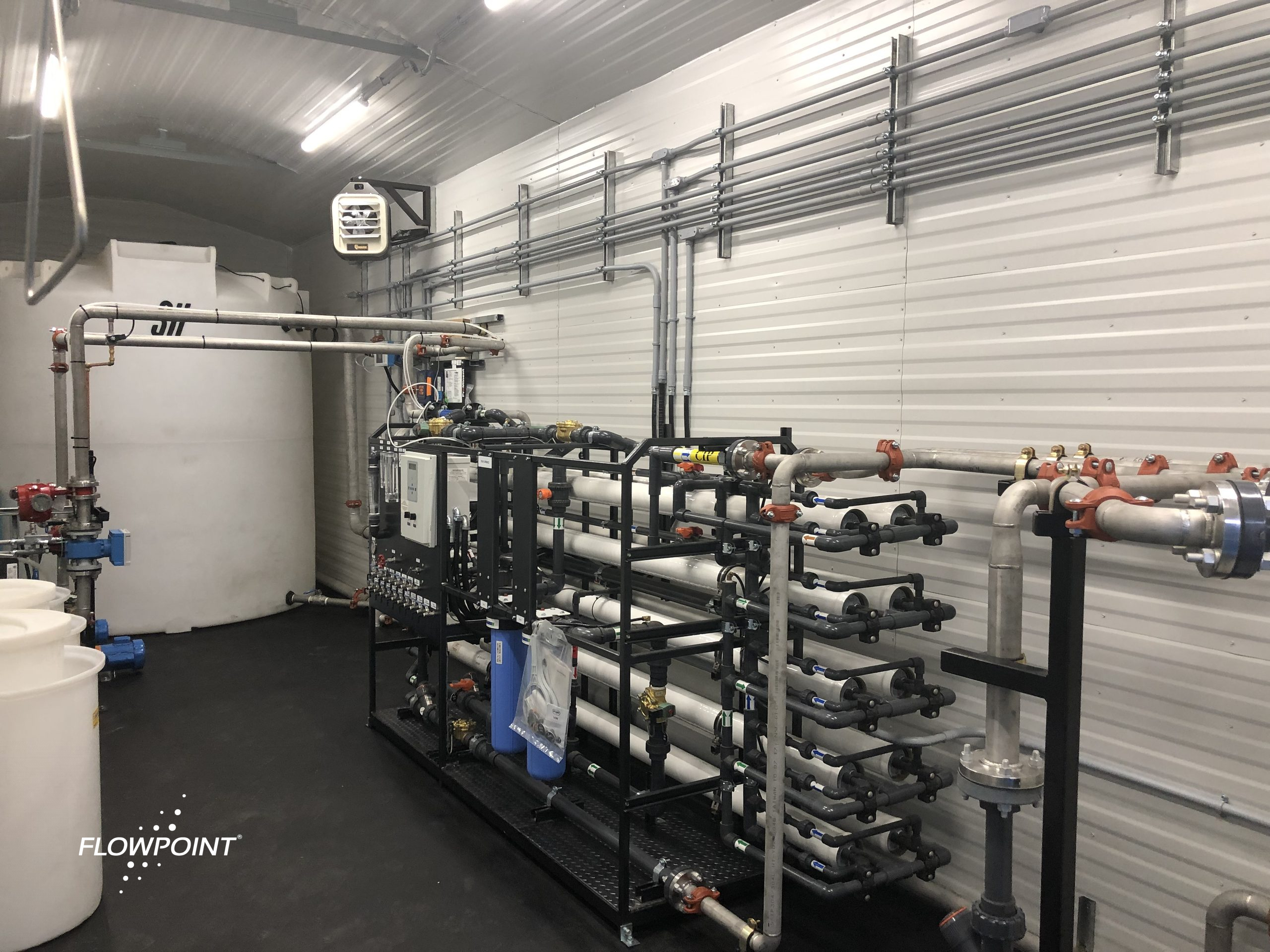
Modern approaches, including automation and remote monitoring, can reduce this burden. But they are difficult to integrate effectively into outdated infrastructure.
A Shift Toward Proactive Planning
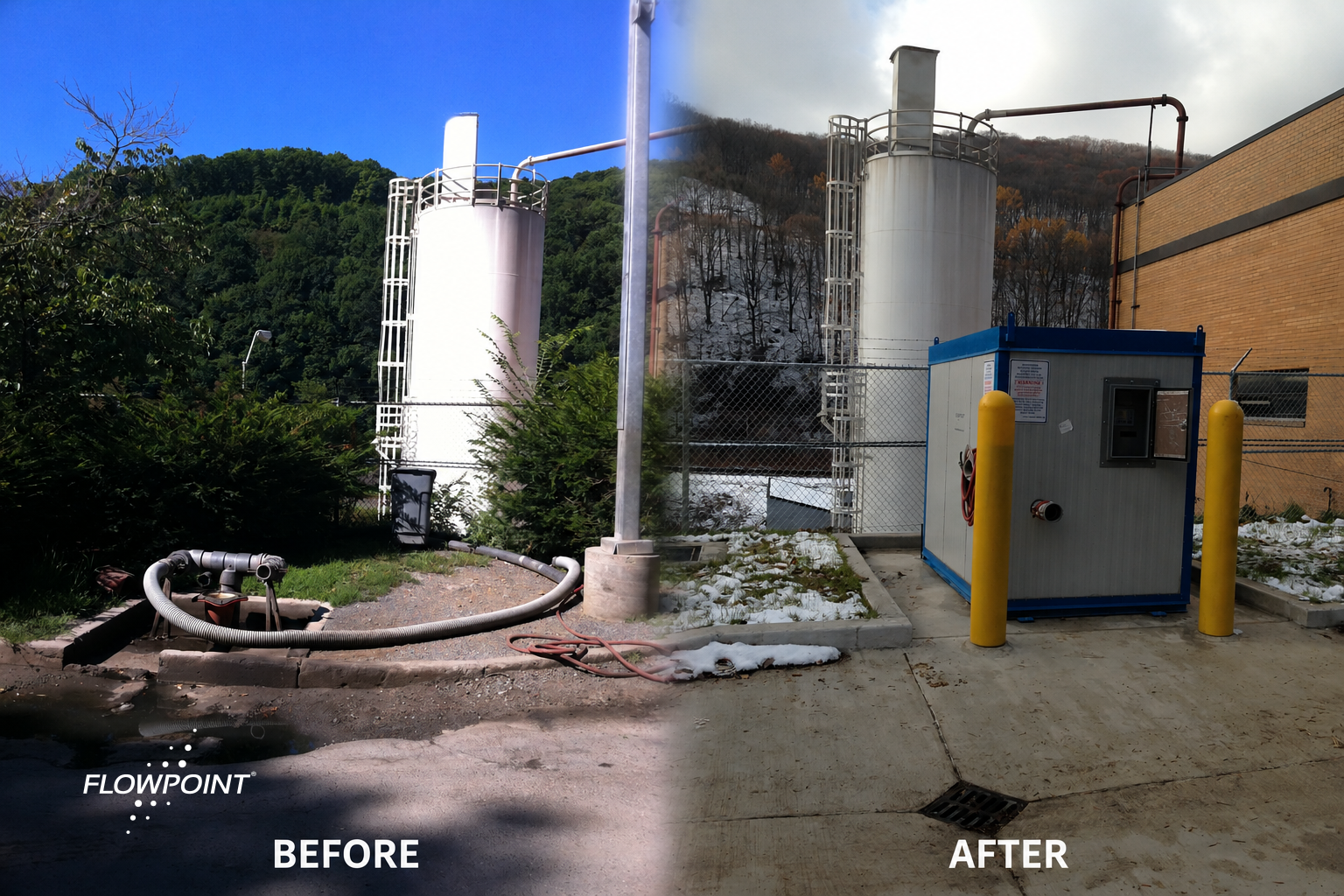
Recognizing the cost of inaction earlier is the first step. The next step is identifying practical ways to move forward. This does not always mean full system replacement. In many cases, phased upgrades or modular solutions can provide immediate benefits while supporting long-term planning. Key considerations include:
- Prioritizing critical risk areas
- Aligning upgrades with growth projections
- Evaluating lifecycle costs, not just upfront capital
- Improving operational resilience without overextending resources
By approaching decisions on aging water infrastructure strategically, municipalities can avoid the cycle of reactive spending and incremental fixes.
Building Flexibility Into the Future
One of the challenges with traditional infrastructure projects is rigidity. Generally, systems are often designed for a specific capacity and configuration, with limited ability to adapt.
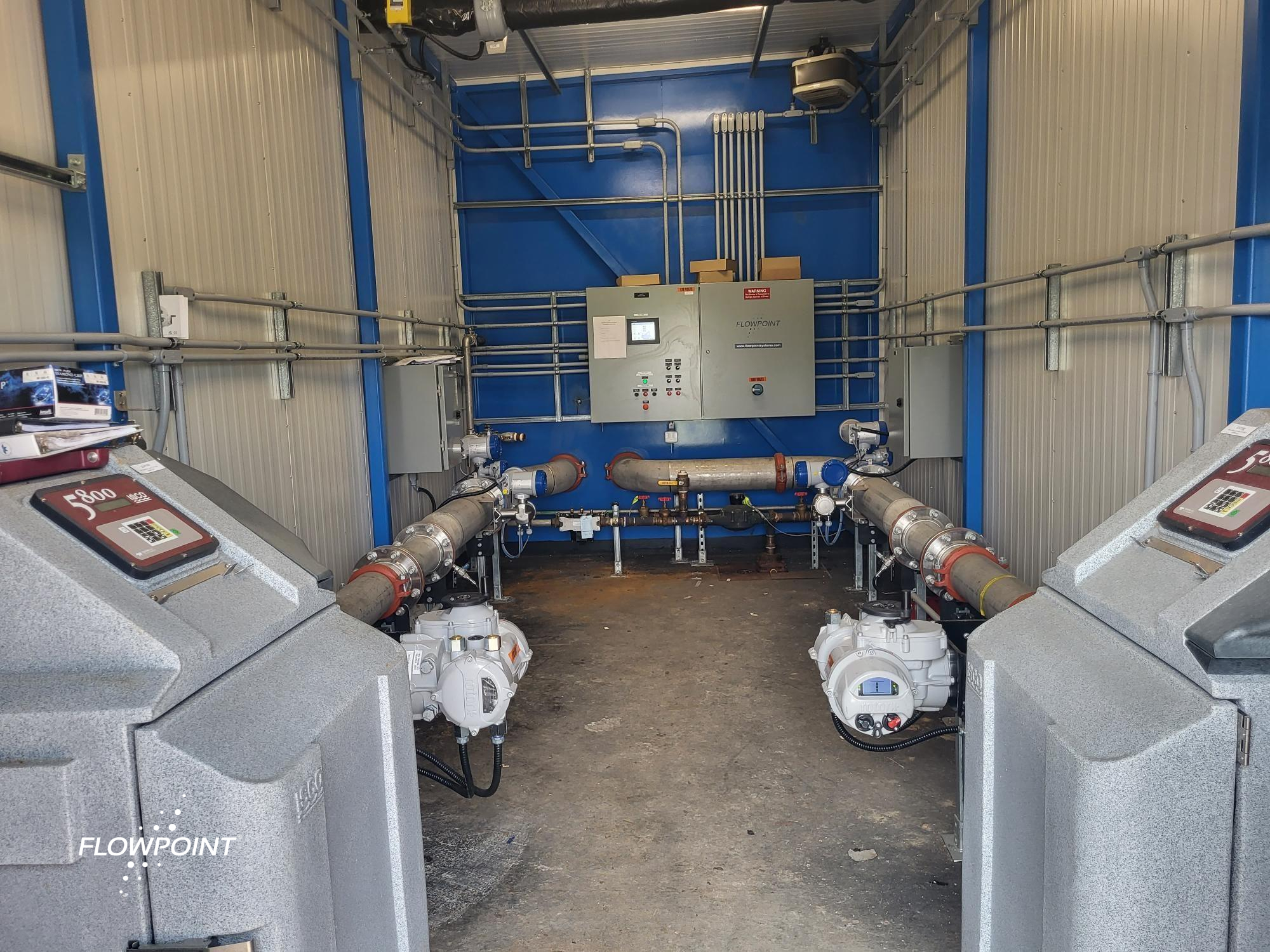
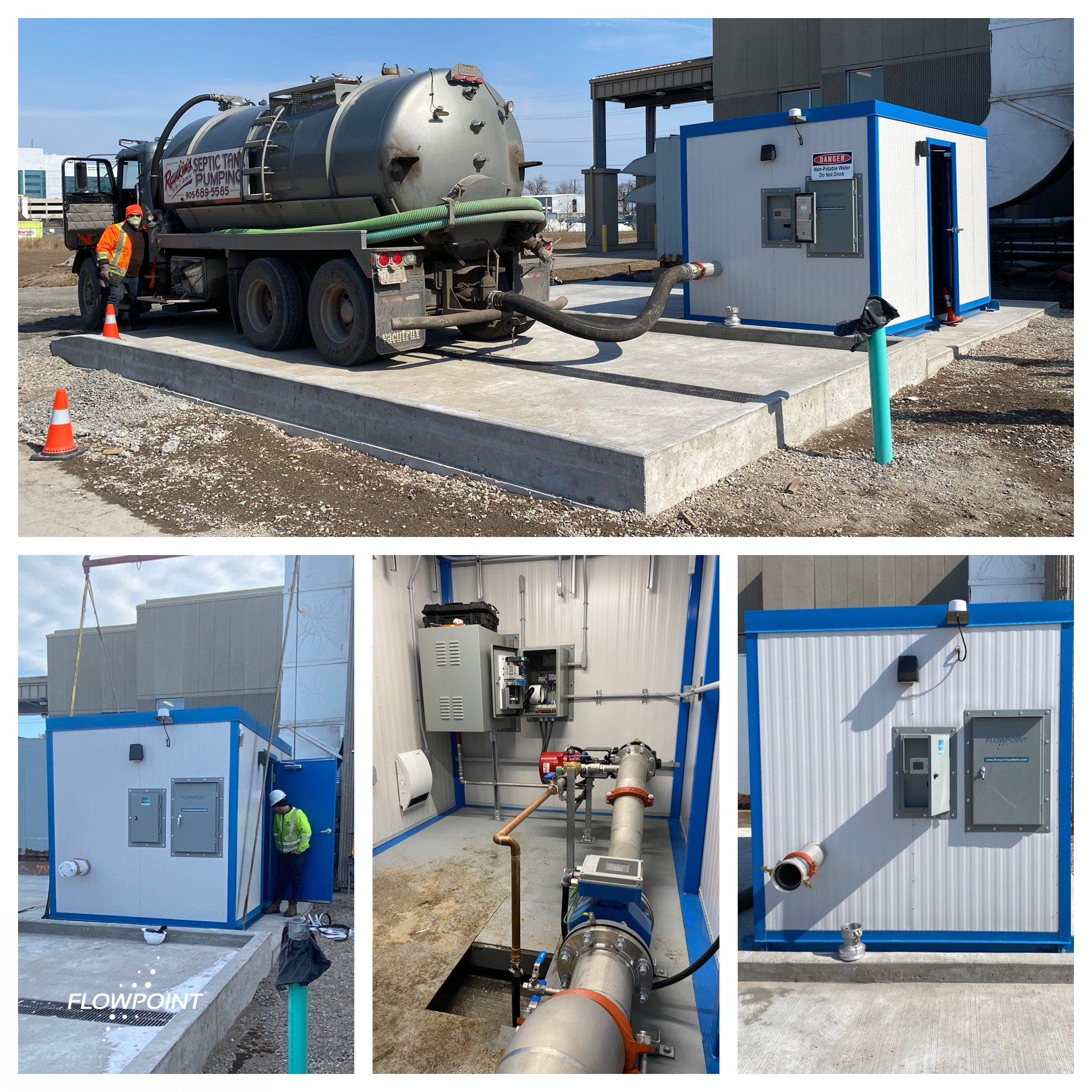
This can create inefficiencies when conditions change. Flexible approaches such as modular systems allow for incremental expansion and adaptation over time. They reduce the need for large, upfront investments while maintaining the ability to scale. This is particularly valuable in:
- Growing communities
- Remote or decentralized applications
- Projects with uncertain timelines
- Communities expecting future changes in demand or regulatory requirements
Moving From Reaction to Strategy with your Aging Water Infrastructure
Ultimately, the question is not whether infrastructure will need to be addressed, but when and how. Waiting may seem like the lower-risk option in the short term. But over time, it introduces greater uncertainty, higher costs, and reduced control. By shifting from a reactive mindset to a proactive strategy, municipalities can:
- Improve operational reliability
- Reduce long-term costs
- Support sustainable growth
- Increase confidence in future planning and capital investment decisions
The cost of doing nothing is rarely visible in a single budget cycle. But over time, it becomes one of the most expensive decisions a system can make.