
The True Cost of Outdated Water Infrastructure (And How to Fix It)
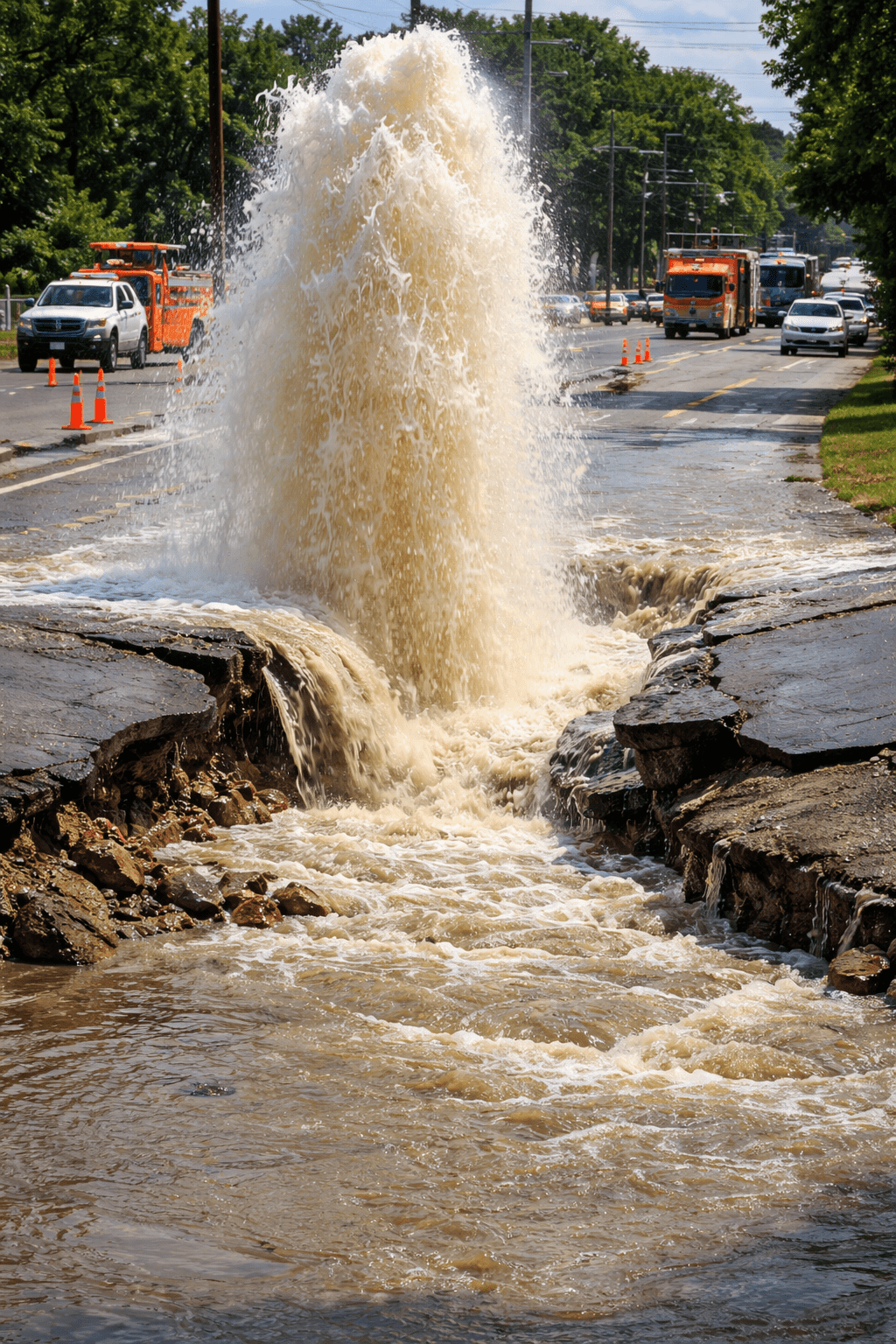
Water Infrastructure is easy to ignore—until it fails. Across North America, municipalities are facing a growing challenge: aging systems don’t meet today’s demands. From leaking pipelines to inefficient treatment processes, outdated water infrastructure is costing communities more than they realize. These systems often operate beyond their intended lifespan, increasing the likelihood of unexpected breakdowns and costly emergency repairs. At the same time, regulatory requirements are becoming more stringent, placing additional pressure on municipalities to upgrade or replace critical assets. Without proactive investment, these issues can escalate quickly, leading to service disruptions, environmental risks, and growing financial strain on already stretched public budgets, and are looking to reduce water system operating costs. Presently, this is leading to increased interest in modernized municipal water systems, including upgrades to alternative water infrastructure and water utility digital transformation.
Operating in the shadowland: Why water utilities fail to manage decaying infrastructure
The Hidden Costs of Aging Water Infrastructure
Understanding Outdated Water Infrastructure
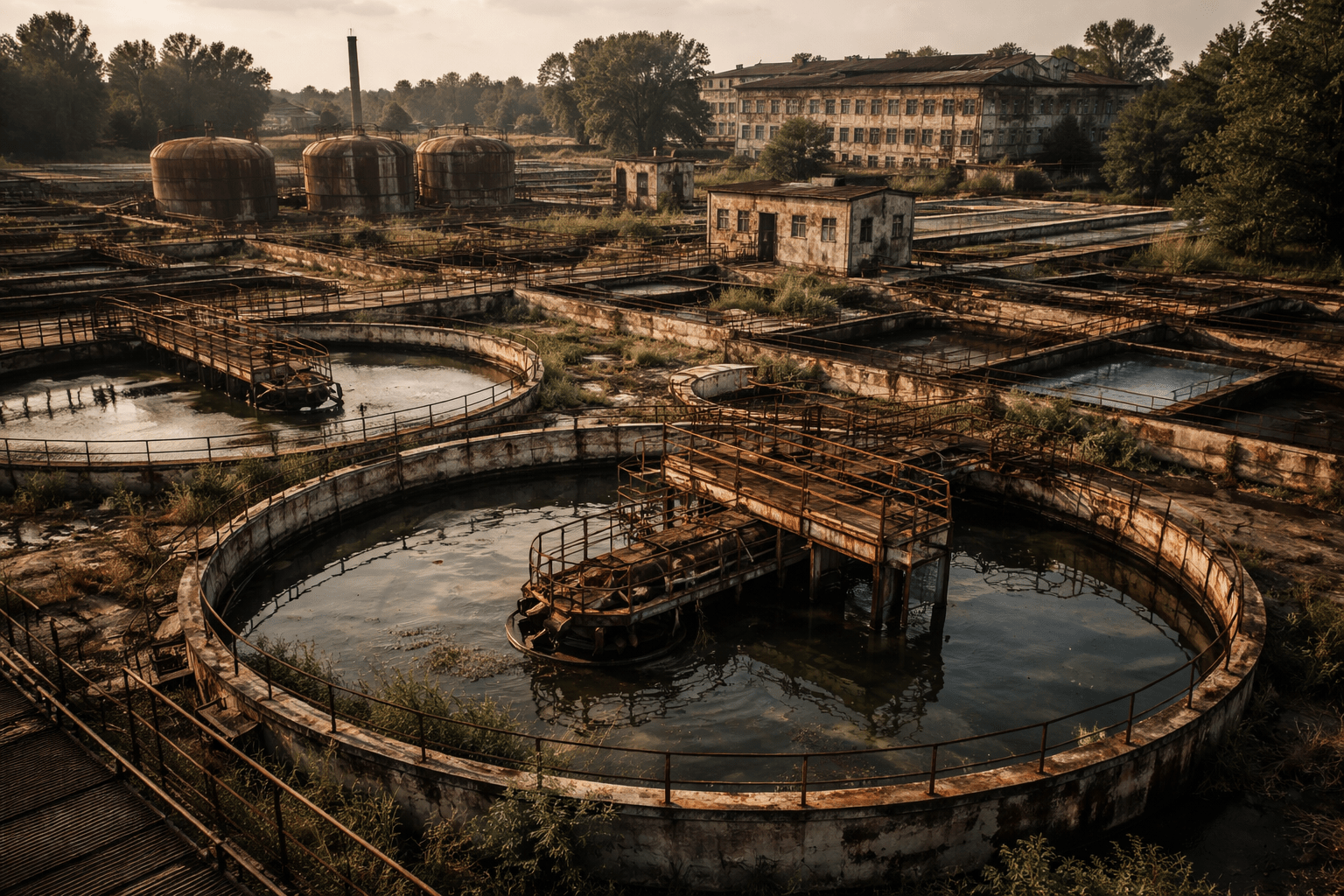
Understanding outdated water infrastructure is critical because it directly impacts public health, environmental sustainability, and economic efficiency. Communities built much of North America’s water infrastructure decades ago, often in the early to mid-20th century, and it is now reaching or exceeding its intended lifespan. Accordingly, these aging pipes, treatment facilities, and pumping systems are more prone to leaks, breaks, and contamination risks. For example, deteriorating pipes can allow harmful substances such as lead or bacteria to enter drinking water, posing serious health risks.
In addition to safety issues, outdated systems are inefficient. Water loss through leaks—often referred to as non-revenue water—can account for a significant percentage of treated water, increasing operational costs for municipalities. Older infrastructure also tends to require more frequent maintenance and emergency repairs, which are more expensive than planned upgrades.
Climate change further stresses these systems, which can’t withstand extreme weather such as heavy rainfall or prolonged droughts. Leading to not only flooding, but also sewer overflows and water shortages. Understanding these challenges is the first step toward modernized municipal water systems, improving resilience, and ensuring safe, reliable water services for growing communities.
Consequences of Neglected Water Systems
1. Water Loss and Revenue Leakage
Old systems often suffer from leaks, inaccurate metering, and poor tracking. Producing the unintended result of non-revenue water losses—water that is produced but never billed. Over time, this can represent a significant financial loss for municipalities.
2. Increased Operating Costs
Legacy systems are typically less efficient because they require more manual intervention. This results in:
- Higher energy consumption
- Increased labor costs
- Frequent maintenance
3. Compliance Risks
Regulations around water quality and reporting are certainly becoming stricter. Outdated systems may struggle to meet these requirements, increasing the risk of fines and penalties.
4. Limited Capacity for Growth
As communities expand, outdated water infrastructure may not have the capacity to support new developments. Consequently, this can delay projects and limit economic growth.
Why Traditional Upgrades Fall Short
Historically, upgrading water infrastructure meant large, capital-intensive projects. That is to say, these systems often involve:
- Long design cycles
- High upfront costs
- Complex construction timelines
- Reduced oversight for water utility digital transformation
In today’s environment, this approach is increasingly impractical. Evidently, municipalities need faster, more flexible solutions.
Strategies to Upgrade Outdated Water Infrastructure
Why Traditional Water Infrastructure Upgrades Fail
Traditionally, upgrading water infrastructure meant large, capital-intensive projects. These “stick-built” systems generally involve:
- Long design cycles
- High upfront costs
- Complex construction timelines
In today’s environment, this approach is obviously impractical. On the whole, municipalities need faster, more flexible solutions.
A Smarter Approach: Modular Infrastructure and Alternative Water Infrastructure Upgrades
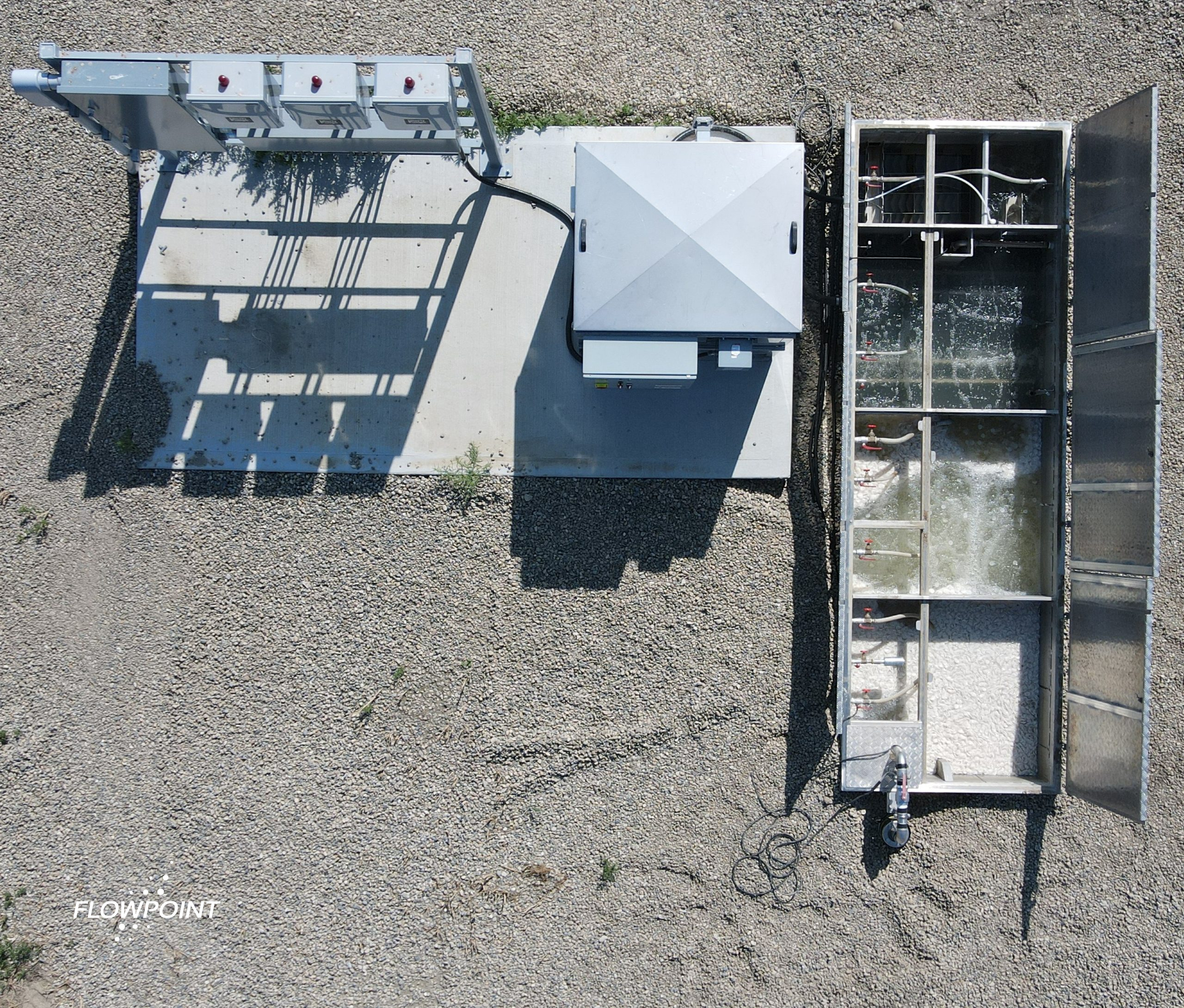
Modular water and wastewater solutions are modernized municipal water systems. Instead of building everything onsite, systems are designed, engineered, and manufactured offsite, then delivered ready for installation. This approach provides:
- Faster deployment timelines
- Diminish construction risk
- Reduce water system operating costs
Flowpoint specializes in engineered-to-order modular systems that, in time, help municipalities meet their infrastructure needs without overbuilding.
The Role of Automation and Software: Water Utility Digital Transformation
However, upgrading physical infrastructure is only part of the solution. Alternative water infrastructure upgrades also include digital tools, which play a critical role in improving efficiency and reducing the costs of water utility digital transformation.
Real-Time Monitoring
Operators can track system performance in real time, identifying issues before they escalate.
Automated Billing and Reporting
Modernized municipal water systems eliminate manual tracking, markedly improving accuracy and reducing administrative workload.
Data-Driven Optimization
Analytics help utilities optimize operations and reduce water system operating costs (e.g., energy use), thereby significantly extending equipment life.
Case in Point: Reduce Water System Operating Costs with Bulk Water Dispensing
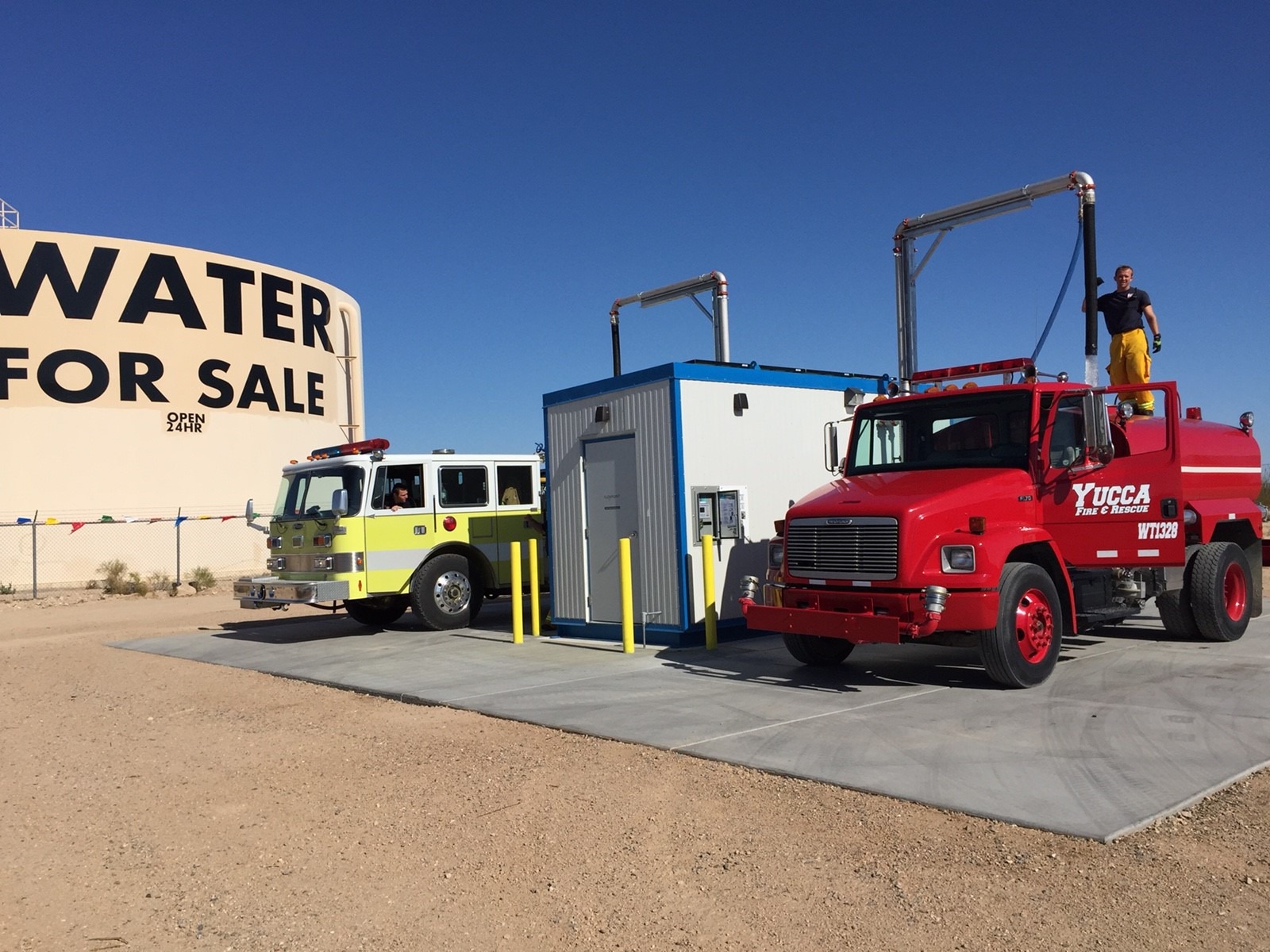
Bulk water dispensing is a common area where outdated water infrastructure creates problems and drives upgrades to alternative water infrastructure. Manual systems specifically result in:
- Inaccurate billing
- Poor tracking
- Customer frustration
Thereafter, modern automated systems provide:
- 24/7 self-service access
- Real-time usage tracking
- Centralized account management
How to Start Modernizing Your Infrastructure
Upgrading doesn’t have to happen all at once. A phased approach allows municipalities to:
- Identify high-impact areas
- Implement modular solutions
- Integrate digital tools
- Scale over time
Conclusion: Modernized Municipal Water Systems
Outdated water infrastructure isn’t just a maintenance issue—it’s a financial and operational liability. By investing in modular systems, automation, and smart technology, municipalities can undoubtedly:
- Reduce water system operating costs
- Improve reliability
- Support future growth
The question isn’t whether to upgrade—it’s how soon you can start.