Automated Bulk Water Dispensing Facilities in Southern & Eastern Ontario: What It Is and Why It Matters
Across Southern and Eastern Ontario, access to large volumes of potable water is essential for far more than household use. Construction projects, agricultural operations, municipal maintenance, emergency response, and rural communities all generally rely on dependable bulk water programs. As a result, automated bulk water dispensing facilities play a key role in meeting these needs by providing safe, regulated, and traceable access to municipal drinking water supplies.
As Ontario continues to grow — particularly in the Greater Golden Horseshoe and expanding communities east of Toronto — bulk water dispensing facilities help municipalities manage demand while ensuring accountability and water quality.
Understanding Automated Bulk Water Dispensing
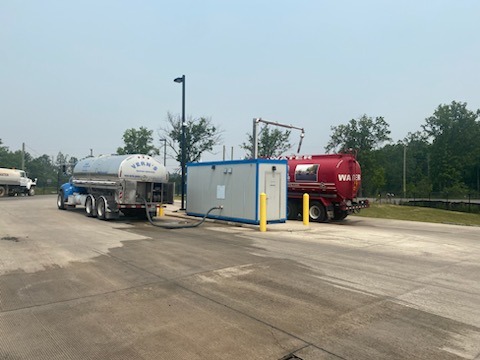
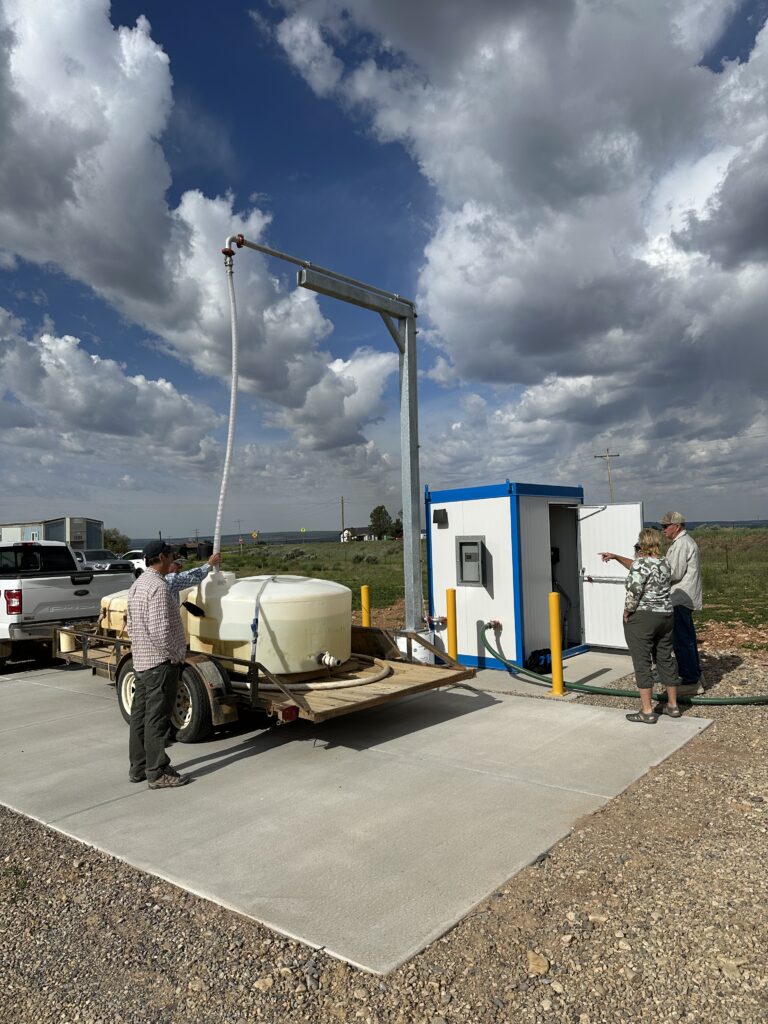
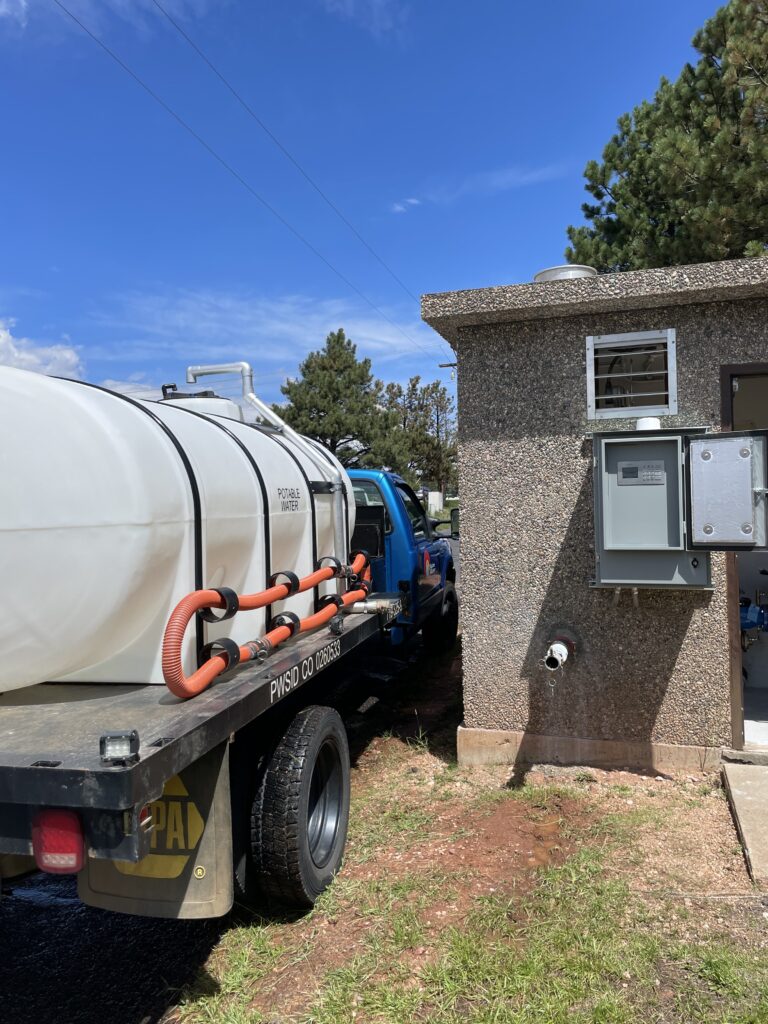
Automated bulk water dispensing refers to municipal or utility-operated stations where approved users can draw large volumes of potable water, typically measured in cubic meters. Design these stations for tanker trucks, trailers, and large storage tanks rather than residential containers.
Most bulk water dispensing facilities in Ontario should be:
- Metered to track exact volumes dispensed
- Account-based, requiring user registration
- Automated, allowing self-service access
- Regulated, with water sourced from municipal drinking water systems
Because the water comes from municipal infrastructure, it must meet Ontario’s drinking water quality standards, making bulk water suitable for potable uses, provided it is transported and stored properly by the end user.
The Prevalence of Automated Bulk Water Dispensing Facilities in Southern Ontario
Southern Ontario is home to some of the province’s most established bulk water programs, supporting significantly dense urban development and ongoing infrastructure build-out projects.
Halton Region
Halton Region operates multiple bulk water stations across Burlington, Oakville, Milton, and Georgetown. Customers register online and use a PIN-based system to dispense water. Usage is metered and charged per cubic metre, thus making it suitable for contractors, landscapers, and other high-volume users.
https://www.halton.ca/for-business/water-and-wastewater-for-business/bulk-water-stations
City of Cambridge
The City of Cambridge provides bulk water access at designated municipal locations. These facilities support not only construction and commercial operations, but also other users who require reliable access to potable water beyond standard service connections.
https://www.cambridge.ca/en/your-city/water.aspx
ENWIN Utilities (Windsor–Essex)
ENWIN Utilities supports bulk water access for customers in Windsor and surrounding areas. Bulk water services play a particularly important role in supporting regional industry, municipal operations, and commercial activity in Southwestern Ontario.
City of London
London has several bulk water locations across the city, providing convenient access points for approved users. The city publishes updated location information to help contractors and businesses plan fills efficiently.
https://london.ca/sites/default/files/2024-08/Bulkwater%20Locations%202024.pdf
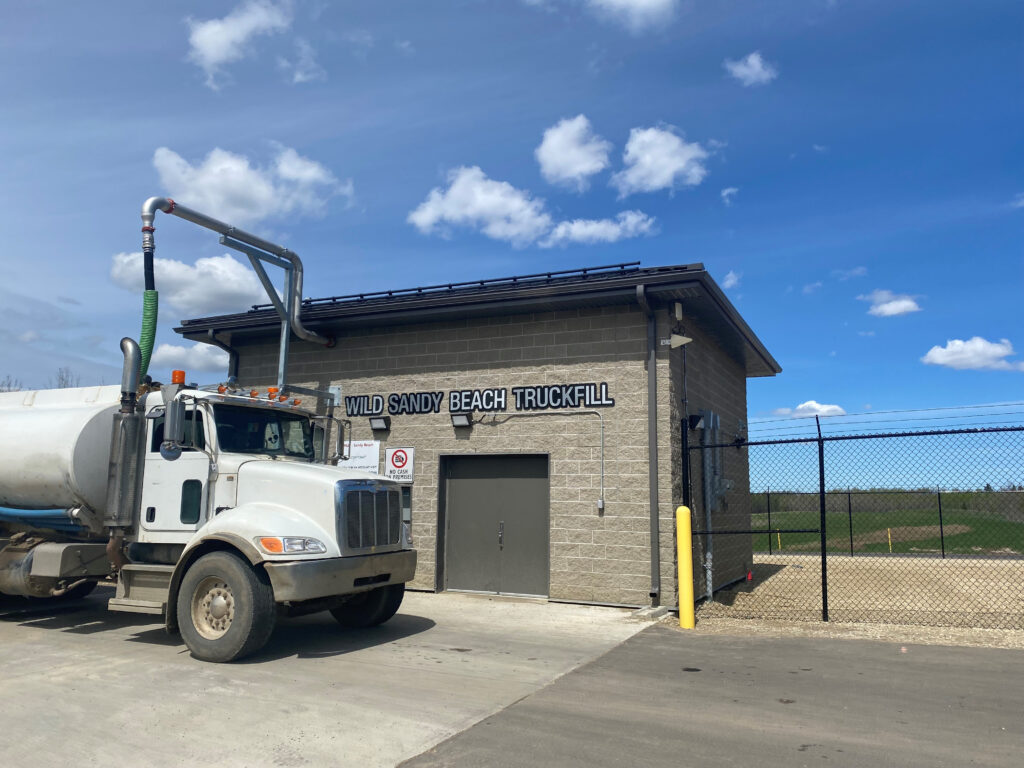
The Prevalence of Automated Bulk Water Dispensing Facilities in Eastern Ontario
In Eastern Ontario, bulk water systems are especially important for rural communities and dispersed development, where full municipal servicing may not be available.
City of Ottawa
The City of Ottawa has launched a pilot project for dedicated bulk water fill stations, designed to improve safety, traffic flow, and operational efficiency. These facilities aim to modernize bulk water access for licensed users while improving tracking and accountability.
City of Brockville
Brockville provides bulk water services to support local construction and commercial activity, as well as rural users. Municipal bulk water programs like this help smaller cities manage demand while supporting economic activity.
https://brockville.com/water-sewer/
City of Hamilton (Greater Golden Horseshoe)
While not Eastern Ontario, Hamilton’s bulk water services are often referenced as a regional example of structured, well-documented bulk water access supporting large-scale infrastructure and development.
https://www.hamilton.ca/home-neighbourhood/garbage-recycling/water-sewer/bulk-water
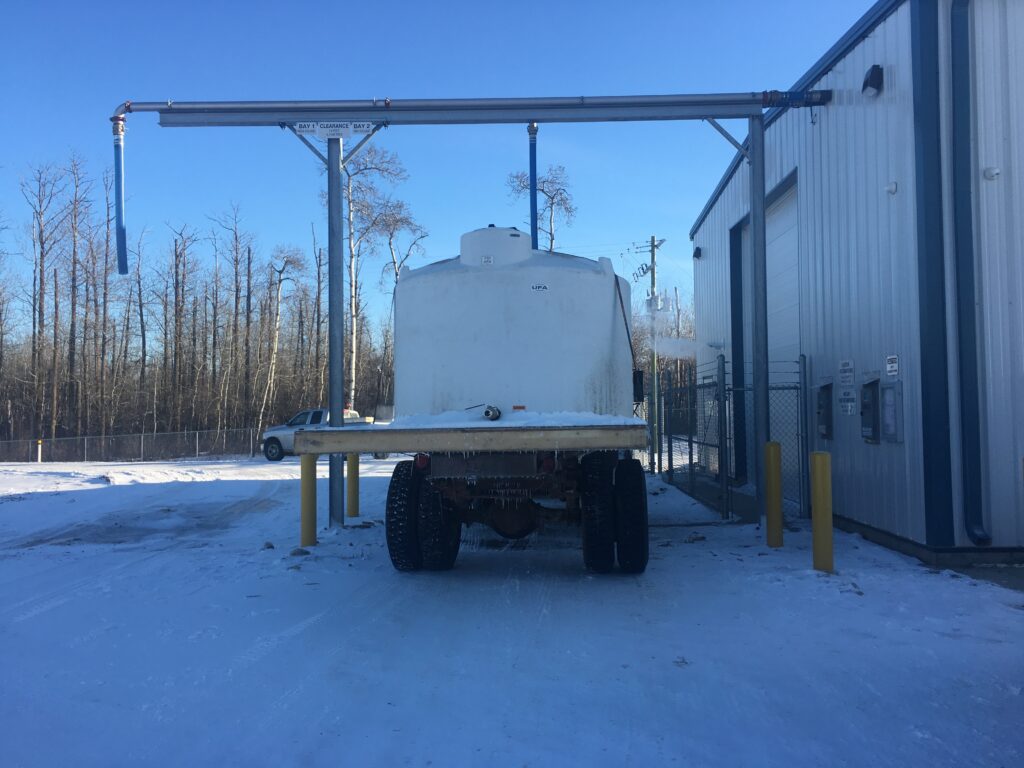
How Bulk Water Stations Typically Operate
While details vary by municipality, most bulk water systems in Southern and Eastern Ontario follow a similar model:
- User Registration – Customers apply for a bulk water account with the municipality or utility, agree to the terms of use, and ensure appropriate equipment.
- Access Control – Approved users receive a PIN, FOB, or digital credential that allows them to activate the dispensing system onsite.
- Metered Dispensing – Water dispensed through large-diameter connections designed for high-flow fills. The system records the volume drawn in real time.
- Billing or Prepayment – Charges are typically based on cubic metres of water used, either deducted from a prepaid balance or billed periodically.
Automation reduces manual oversight, improves accuracy, and gives municipalities better insight into high-volume water use.
Why Bulk Water Programs Matter
Automated bulk water dispensing serves a rather unique and important role in Ontario’s water landscape:
- Construction & Infrastructure: Large volumes of water support dust control, concrete mixing, and site operations.
- Agriculture: Farmers rely on bulk water during dry seasons or when private wells are insufficient.
- Emergency Preparedness: Bulk water stations can act as contingency supply points during outages or system maintenance.
- Rural Access: Residents without piped water service depend on bulk stations for safe, regulated potable water.
By offering controlled access to municipal water supplies, bulk water programs help protect system integrity while supporting diverse community needs.
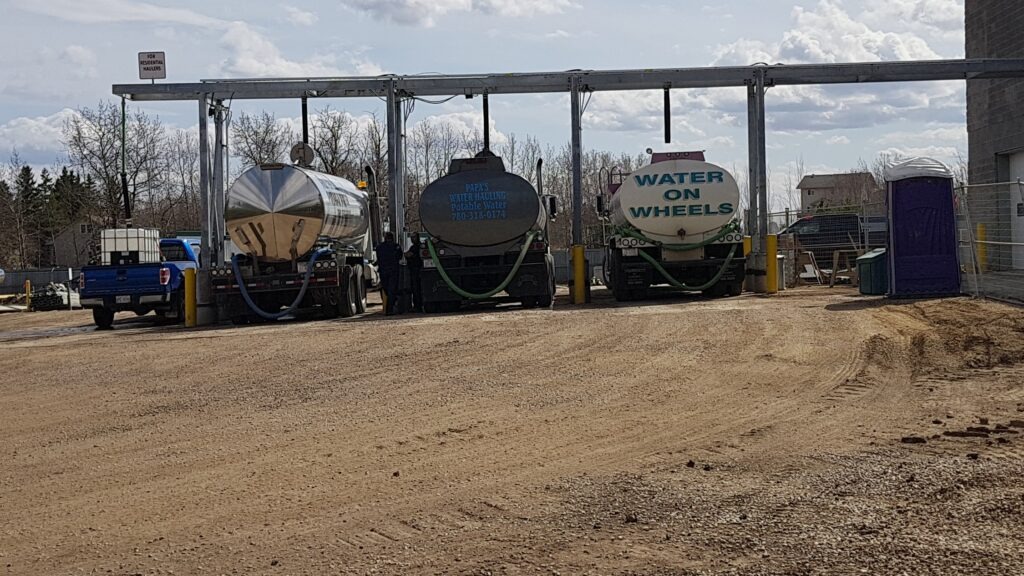
Conclusion: Looking Ahead
As population growth and climate variability place new demands on municipal infrastructure, bulk water systems are becoming increasingly important. Automation, remote monitoring, and digital account management are helping municipalities operate these facilities more efficiently while improving the user experience.
Well-designed bulk water programs also support transparency, sustainability, and long-term water stewardship across Southern and Eastern Ontario.
Interested in Automated Bulk Water Dispensing Facilities in Ontario?
Municipalities or utilities exploring automation for bulk water dispensing facilities — including access control, metering, and account management — can contact Kris Montgomery for more information.