-
 News Release
Municipal Water and Wastewater Equipment Purchasing
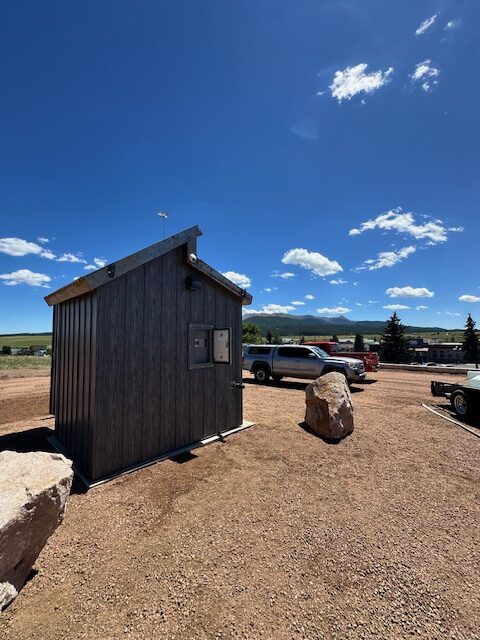
Municipal Water and Wastewater Equipment Purchasing: Is There a Simpler Way? Municipal water and wastewater projects rarely begin with a simple purchase order. Before equipment reaches a job site, utility teams must often prepare specifications, review budgets, assess suppliers, and secure approval. For many public agencies, municipal water and wastewater equipment purchasing can take considerable…
-
 Bulk Water Dispensing Stations
Emergency Bulk-Water Loading
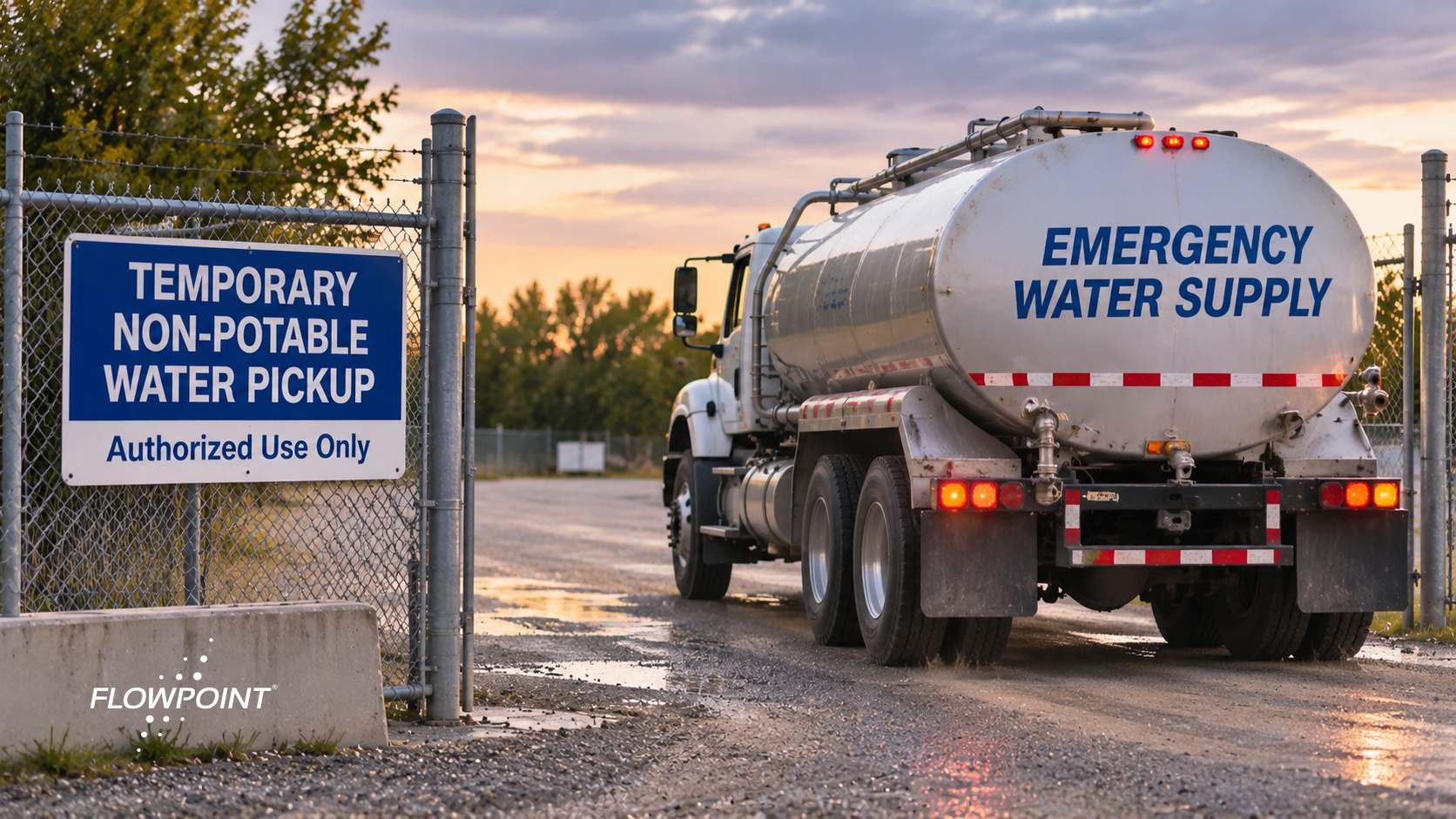
Emergency Bulk-Water Loading: Lessons from Calgary and Grand Canyon Water Crises Water emergencies can disrupt essential services, delay construction, and strain public resources. As a result, emergency bulk-water loading has become an important part of municipal water planning. Recent events in Calgary and Grand Canyon National Park show why reliable water access matters. Both cases…
-
 Bulk Water Dispensing Stations
Bulk Water Station Cost Recovery
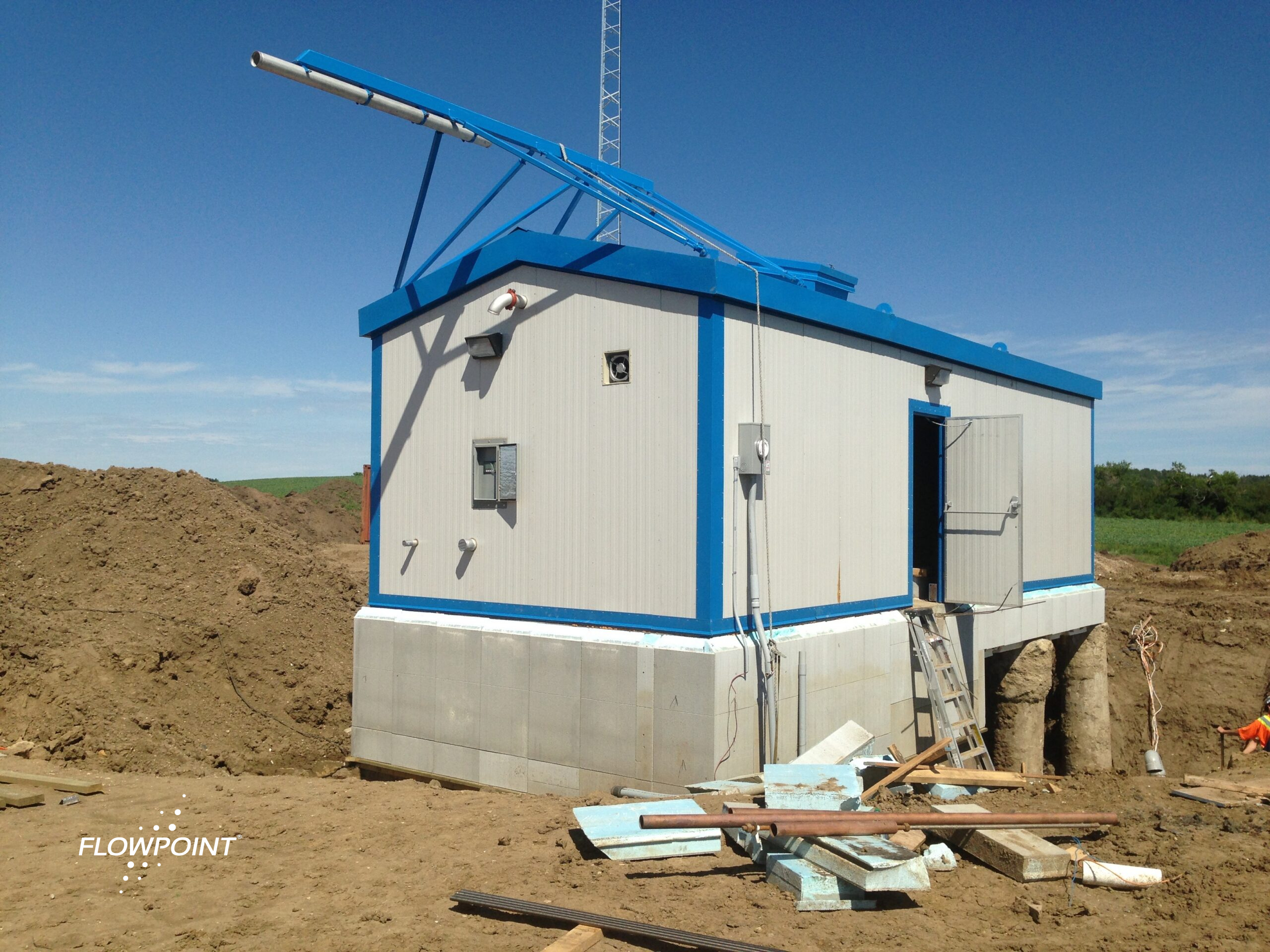
Bulk Water Station Cost Recovery That Supports Lasting Public Access Bulk water station cost recovery helps communities keep filling sites open, steady, and ready for future needs. Soundly planned municipal bulk water rate setting starts with the full cost of service. A well-run bulk water user-fee system then connects water use with clear charges and…
-
 Bulk Water Dispensing Stations
Portable Bulk Water Station
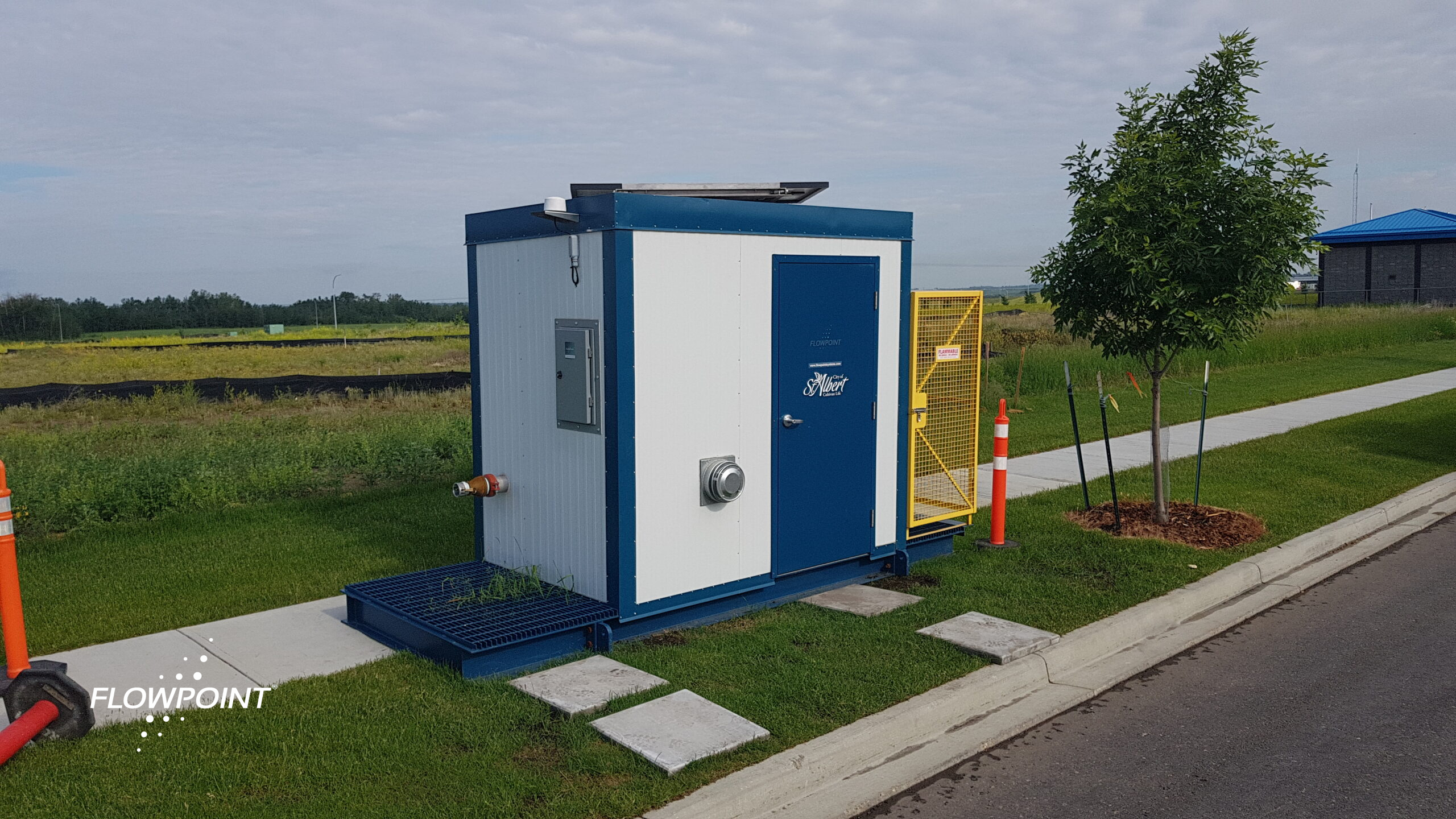
Portable Bulk Water Station: Solar Power for Remote Sites and Emergency Plans A portable bulk water station gives utilities a way to plan water access where grid power may not reach. For rural routes, seasonal work, or backup loading sites, a remote truck-fill (truckfill) station can help manage who fills and how much they take.…
-
 Bulk Water Dispensing Stations
Commercial Truck-Fill Facility for Airports
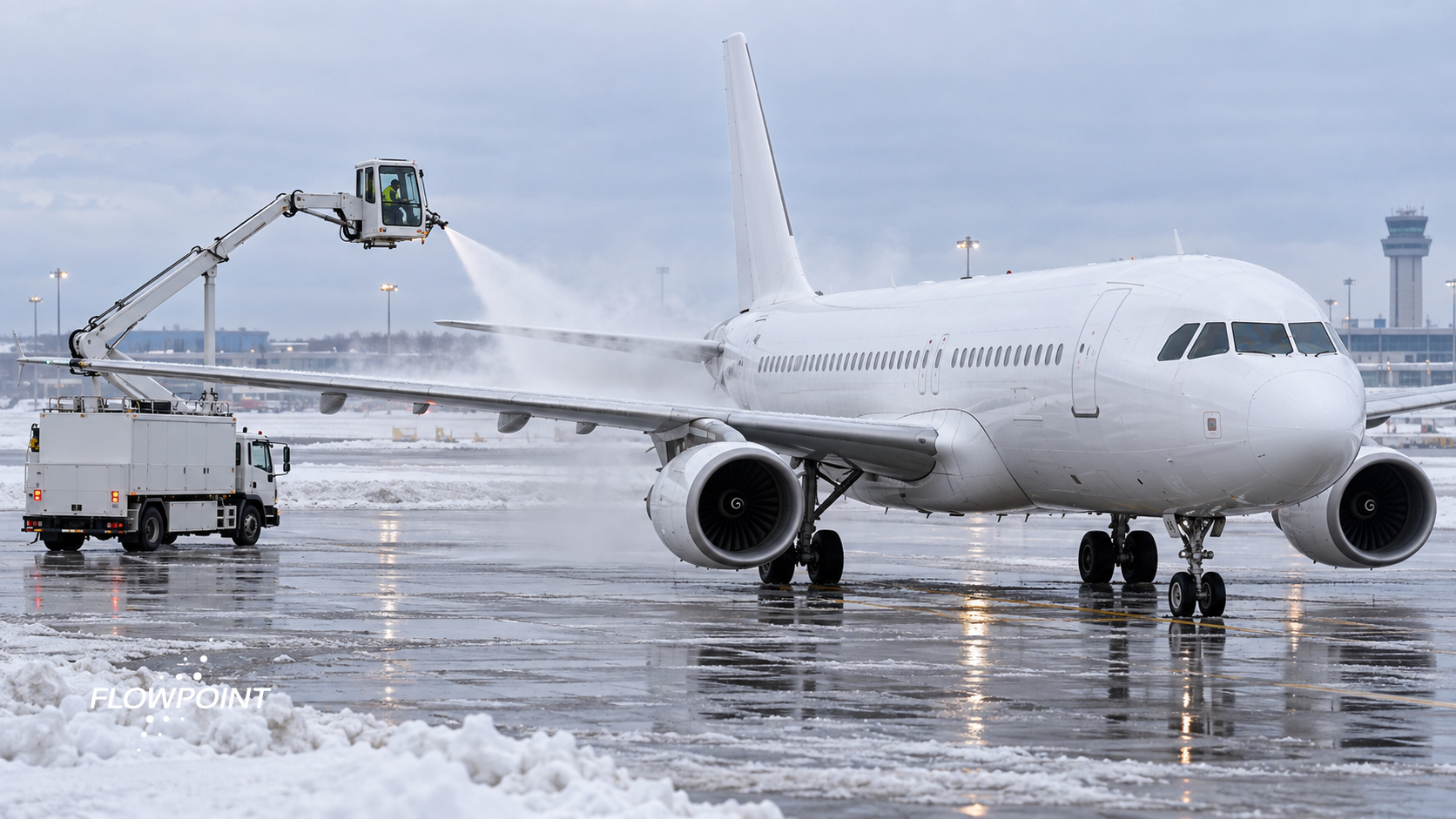
How a Commercial Truck-Fill Facility Can Support Airport Operations A commercial truck-fill facility can give airports more control over water use across the airfield. From fire truck refills to dust control, each task needs a clear way to draw and track water. A water-truck fill station can also help crews manage access when many teams…
-
 Bulk Water Dispensing Stations
Automatic Water Distribution System for Reuse
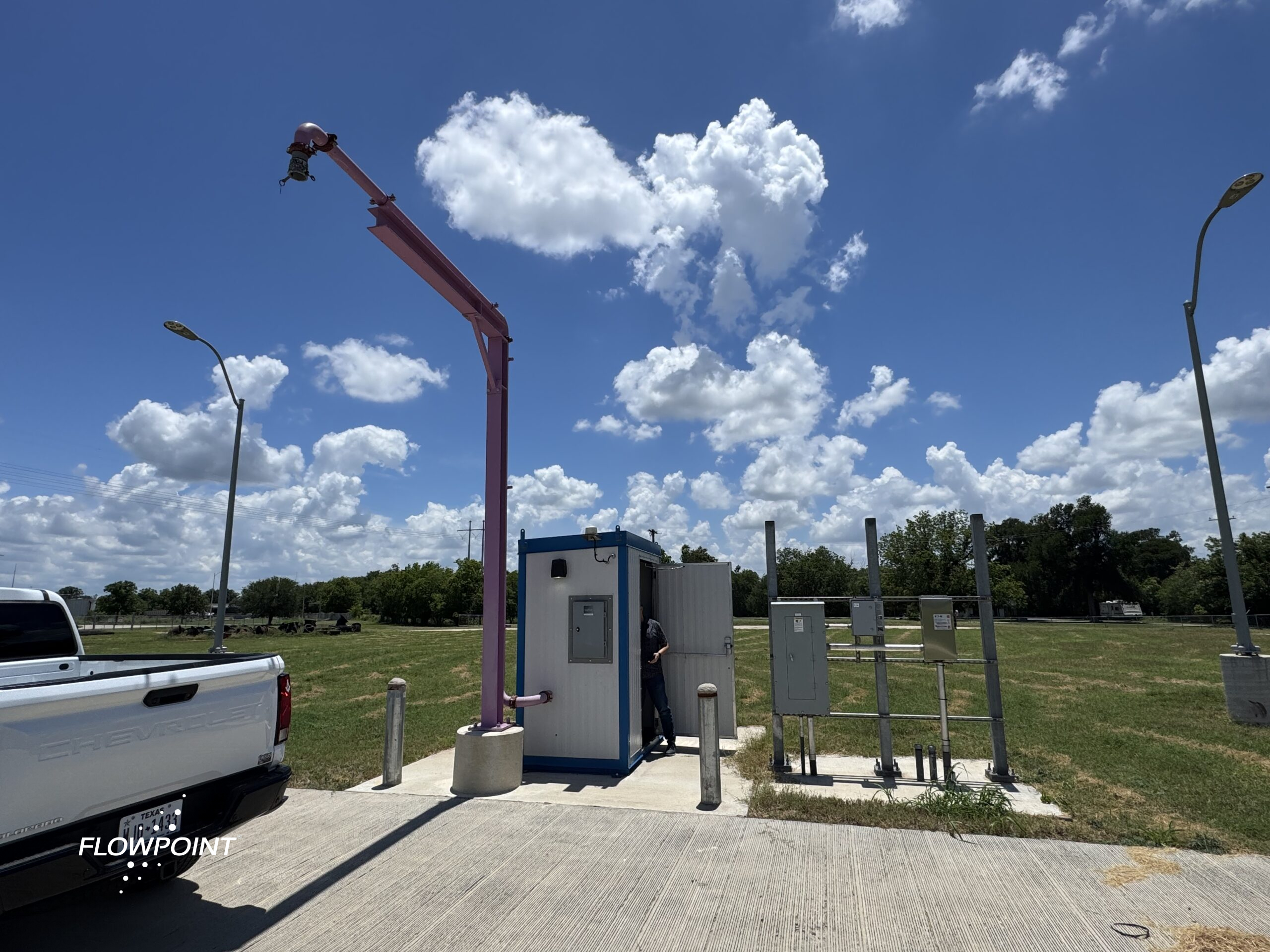
Lake Mead’s Warning: Make Every Gallon Count with an Automatic Water Distribution System Lake Mead’s shrinking shoreline shows why cities need to make each gallon count. An automatic water distribution system gives staff tools to control access, track use, and manage truck fills. For some towns, a bulk water station replacement offers a fresh start…
-
 Bulk Water Dispensing Stations
Self-Service Bulk Water Filling Myths
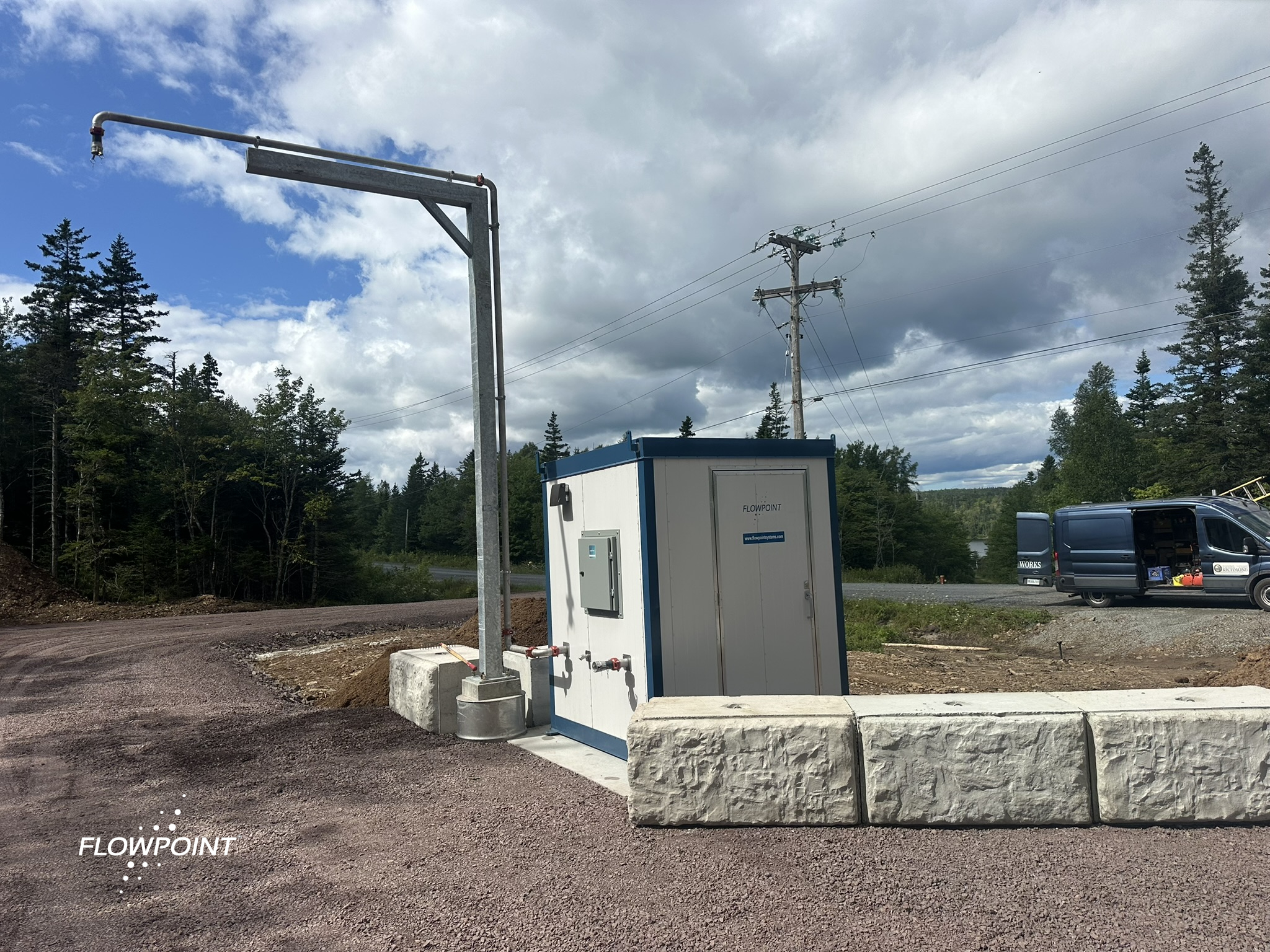
8 Self-Service Bulk Water Filling Myths That Can Cost Utilities More Self-service bulk water filling systems can look similar on a bid sheet. Most promise secure access, accurate metering, and unattended service. Yet those broad claims can hide major differences in design, software, maintenance, and long-term cost. Before comparing stations, utilities should look beyond terms…
-
 Bulk Water Dispensing Stations
How to Choose a Bulk Water System
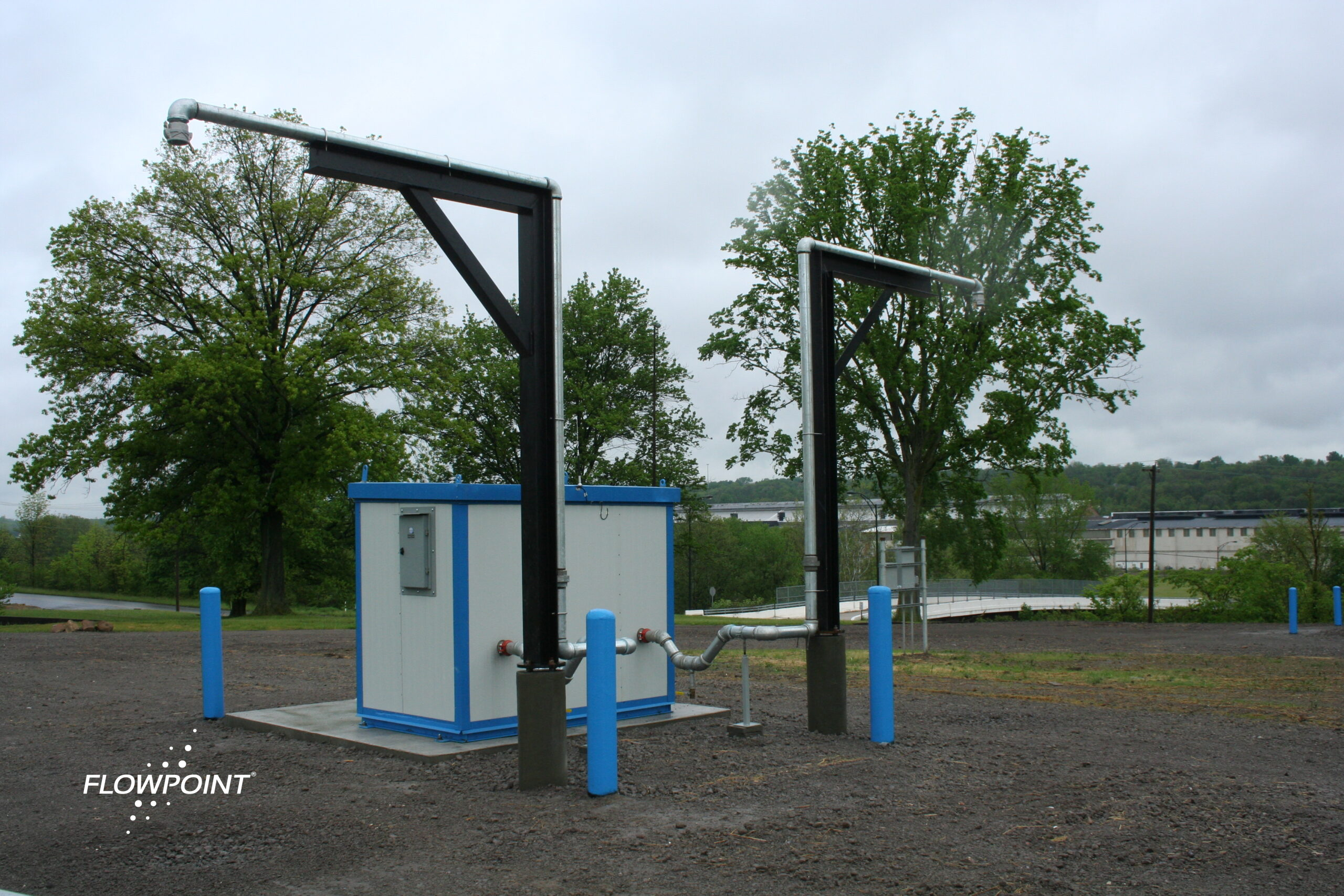
7 Lessons From Real Customers Understanding how to choose a bulk water system can help your municipality avoid costly operational and administrative problems. However, brochures and technical specifications only explain what a system should do. Customer experiences show how that system performs within daily operations. They also reveal which supplier qualities become important after a…
-
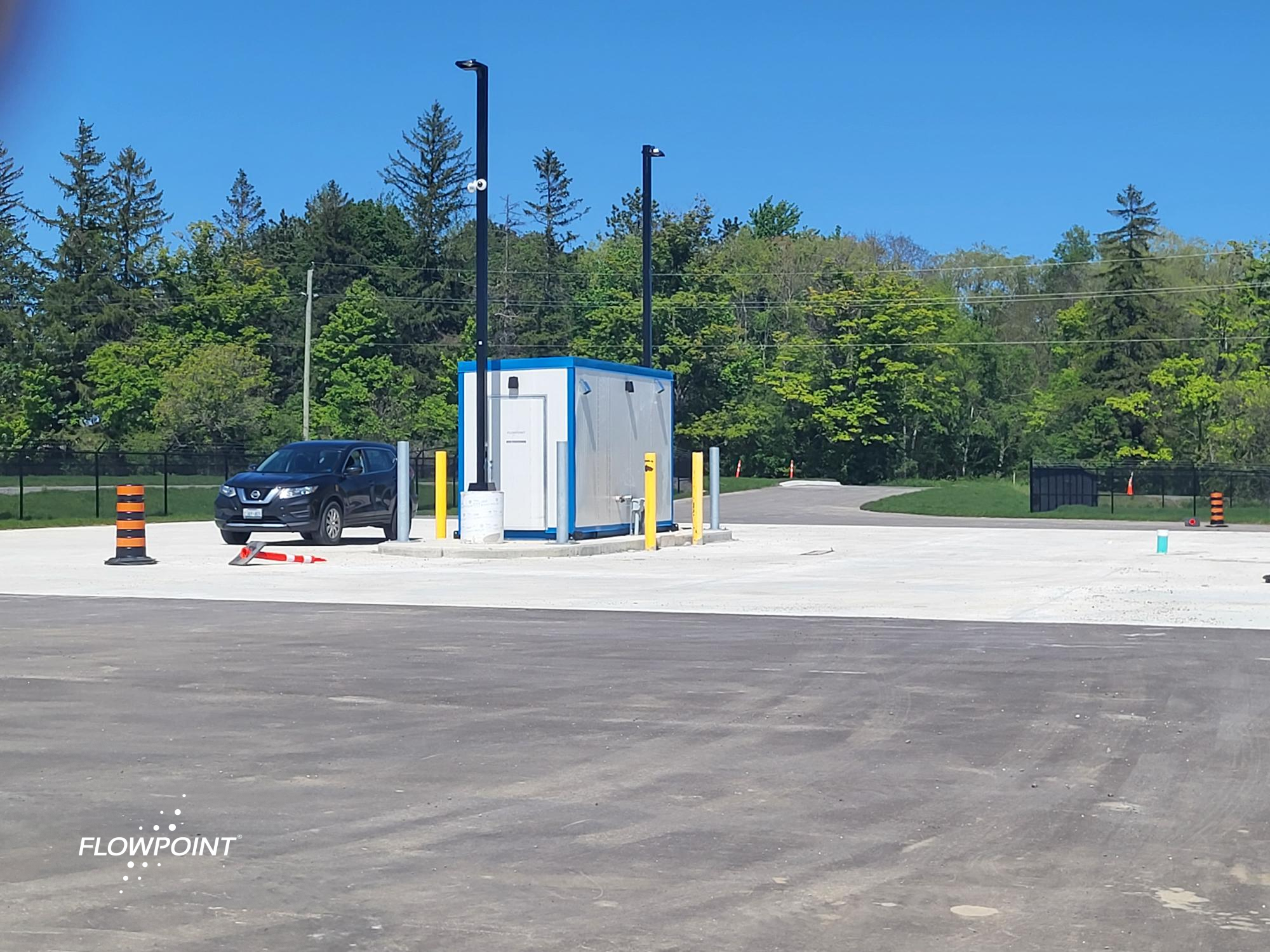 Bulk Water Dispensing Stations
Water Loss Control
Why Accurate Bulk Water Withdrawal Metering Matters for Water Loss Control Every gallon of treated water has value. Therefore, utilities need to know where that water goes. Some water reaches homes and businesses through traditional service connections. Other water leaves the system through bulk water withdrawal points. Contractors, water haulers, municipal crews, and other authorized…

Tagline text
Flowpoint news blog
The latest industry information on water and wastewater infrastructure.