-
 Bulk Water Dispensing Stations
Bulk Water Station Cost Recovery
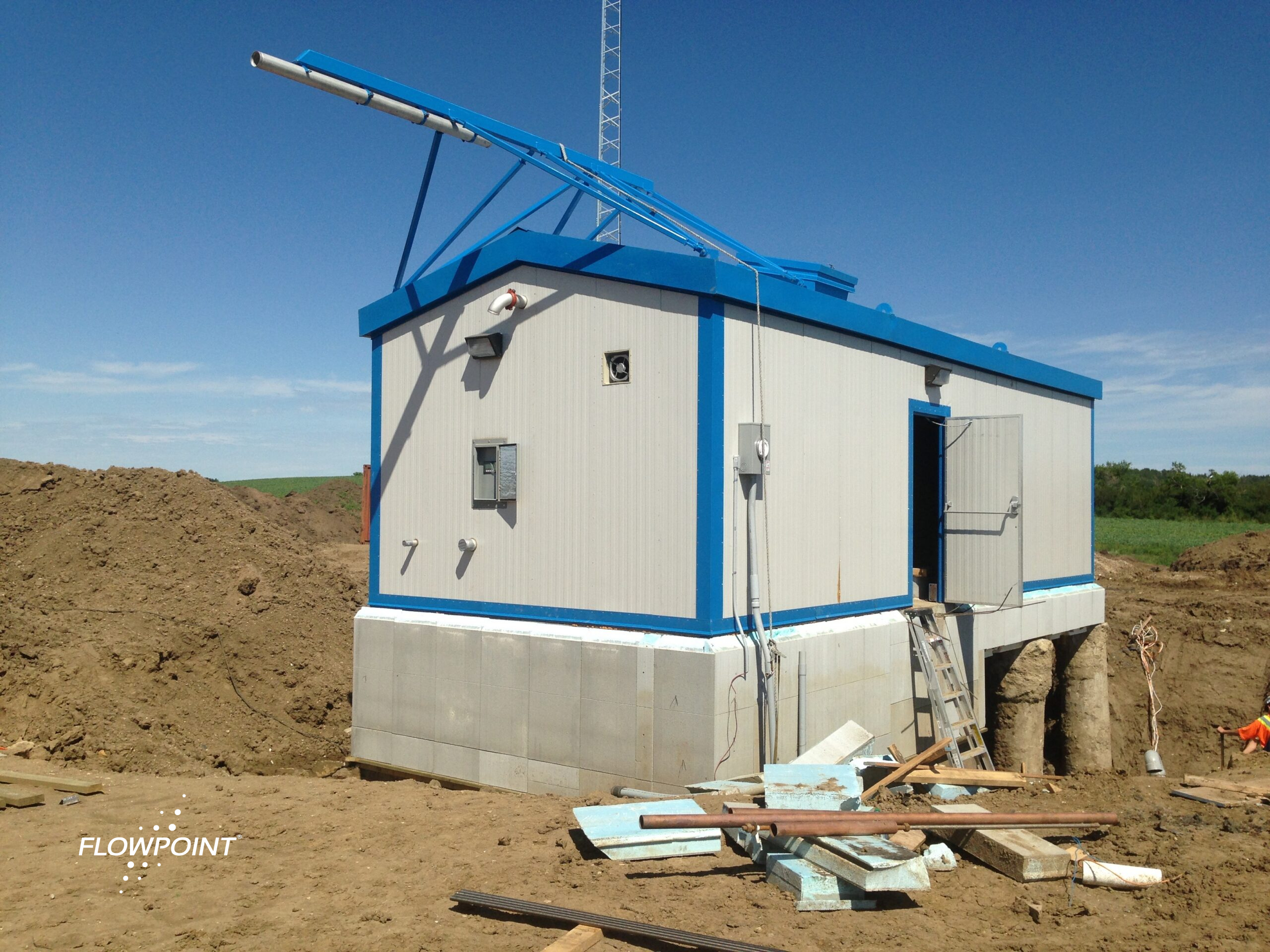
Bulk Water Station Cost Recovery That Supports Lasting Public Access Bulk water station cost recovery helps communities keep filling sites open, steady, and ready for future needs. Soundly planned municipal bulk water rate setting starts with the full cost of service. A well-run bulk water user-fee system then connects water use with clear charges and…
-
 Wastewater
Florida Wastewater Planning for Developers
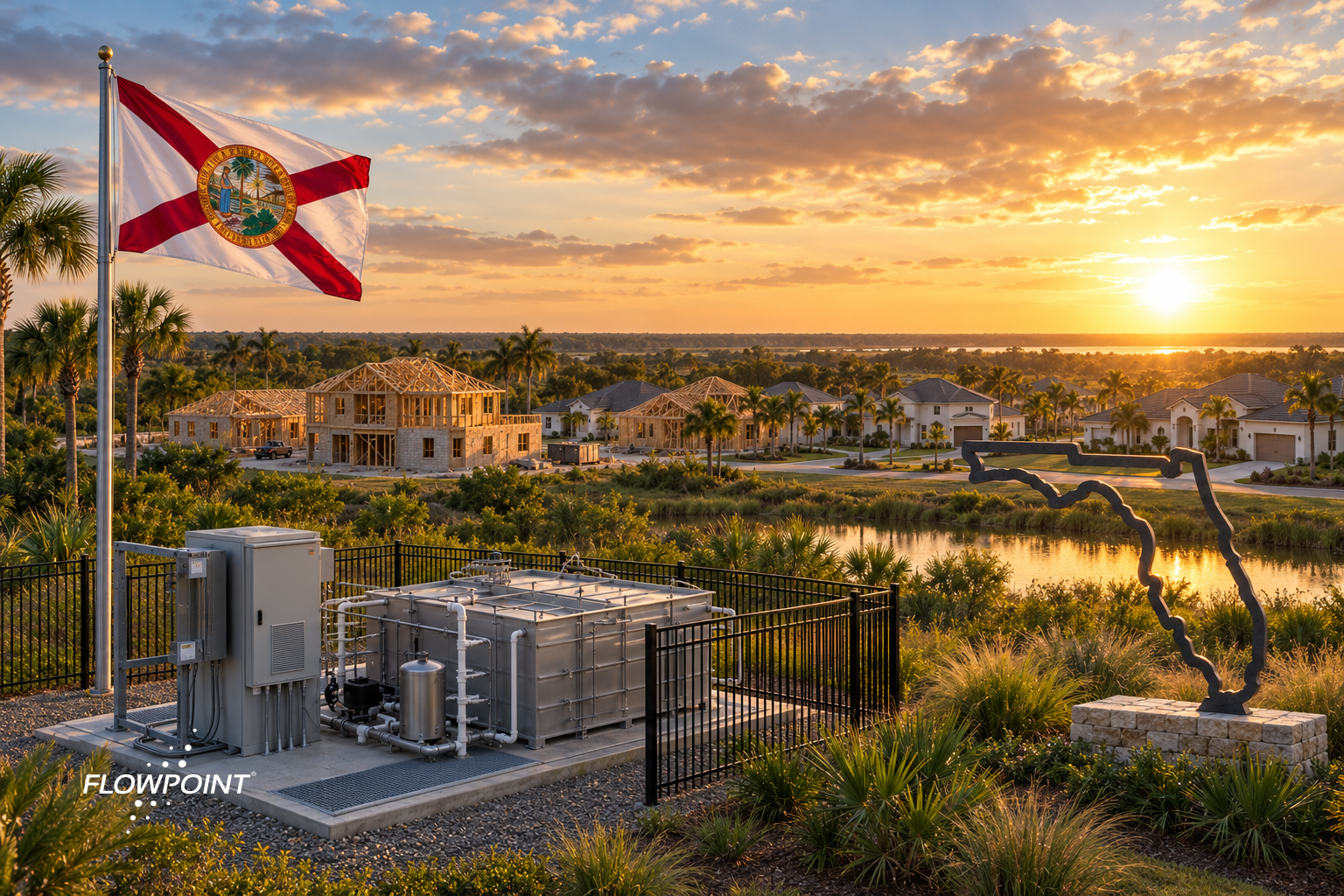
Florida Wastewater Planning for Developers and the Role of MBBR Wastewater infrastructure planning in Florida can shape when a housing project moves from land sales to occupied homes. Developers need a clear path for treatment, permits, and long-term service before setting build timelines. Publicly Owned Treatment Works (POTW) often provide that path through a city,…
-
 Bulk Water Dispensing Stations
Commercial Truck-Fill Facility for Airports
How a Commercial Truck-Fill Facility Can Support Airport Operations A commercial truck-fill facility can give airports more control over water use across the airfield. From fire truck refills to dust control, each task needs a clear way to draw and track water. A water-truck fill station can also help crews manage access when many teams…
-
 Smart Water System Technology
Connected Water Systems
Why Cybersecurity Matters for Connected Water and Wastewater Systems Modern bulk water vending systems (water dispensing technology), septage receiving terminals, and remote utility infrastructure have evolved far beyond simple mechanical equipment. What was essentially just a physical asset protected by locks, fencing, and weatherproof housing is now part of a connected water systems operational technology…
-
 Wastewater
Centralized or Decentralized Water
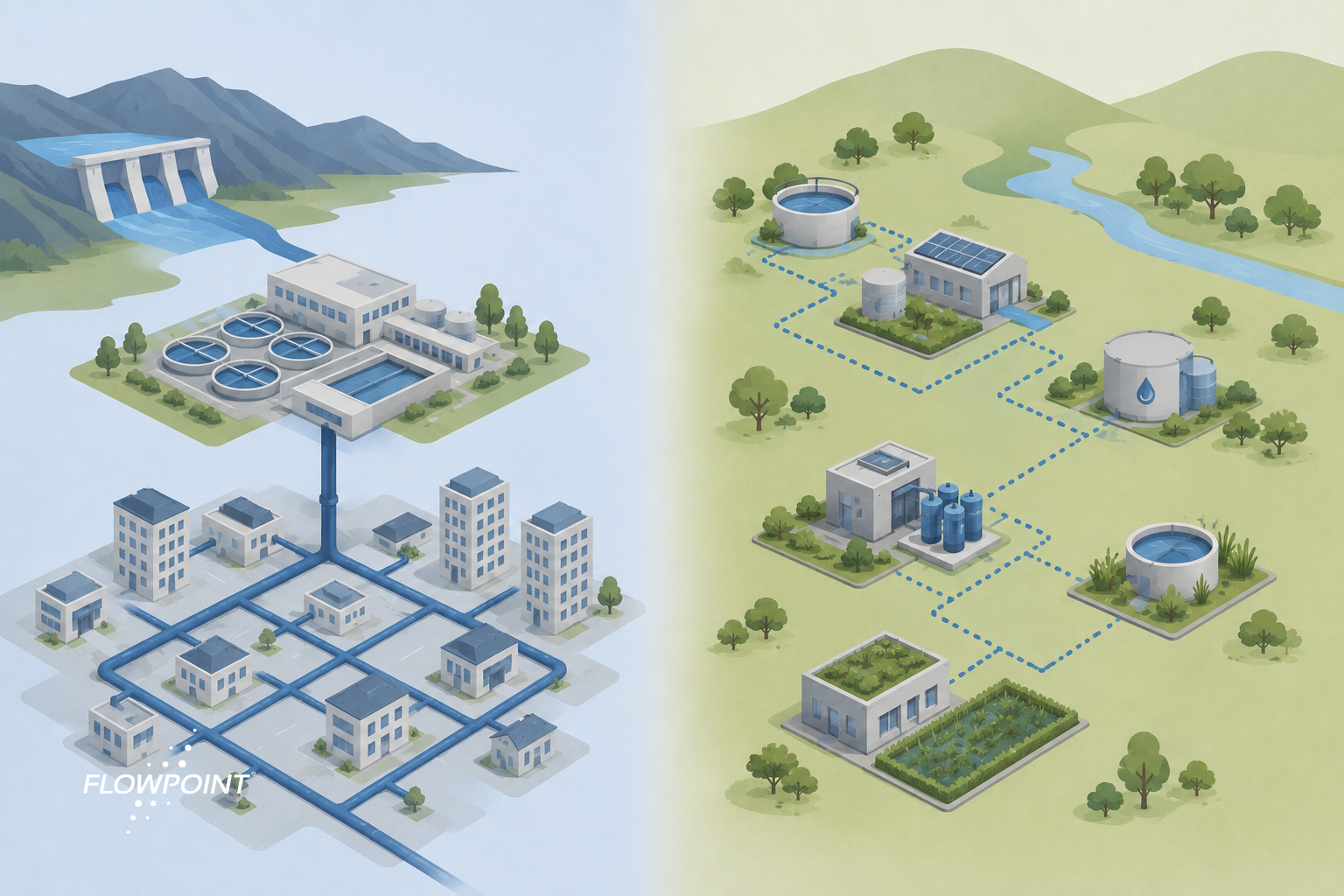
Centralized vs Decentralized Water Infrastructure: What Actually Works Today? For decades, centralized water and wastewater systems have been the foundation of municipal infrastructure. Mostly because large treatment facilities serving entire communities became the standard model, offering economies of scale and a proven approach to delivering reliable services. However, the challenges facing municipalities today are very…
-
 Smart Water System Technology
Digitizing Water & Wastewater Operations
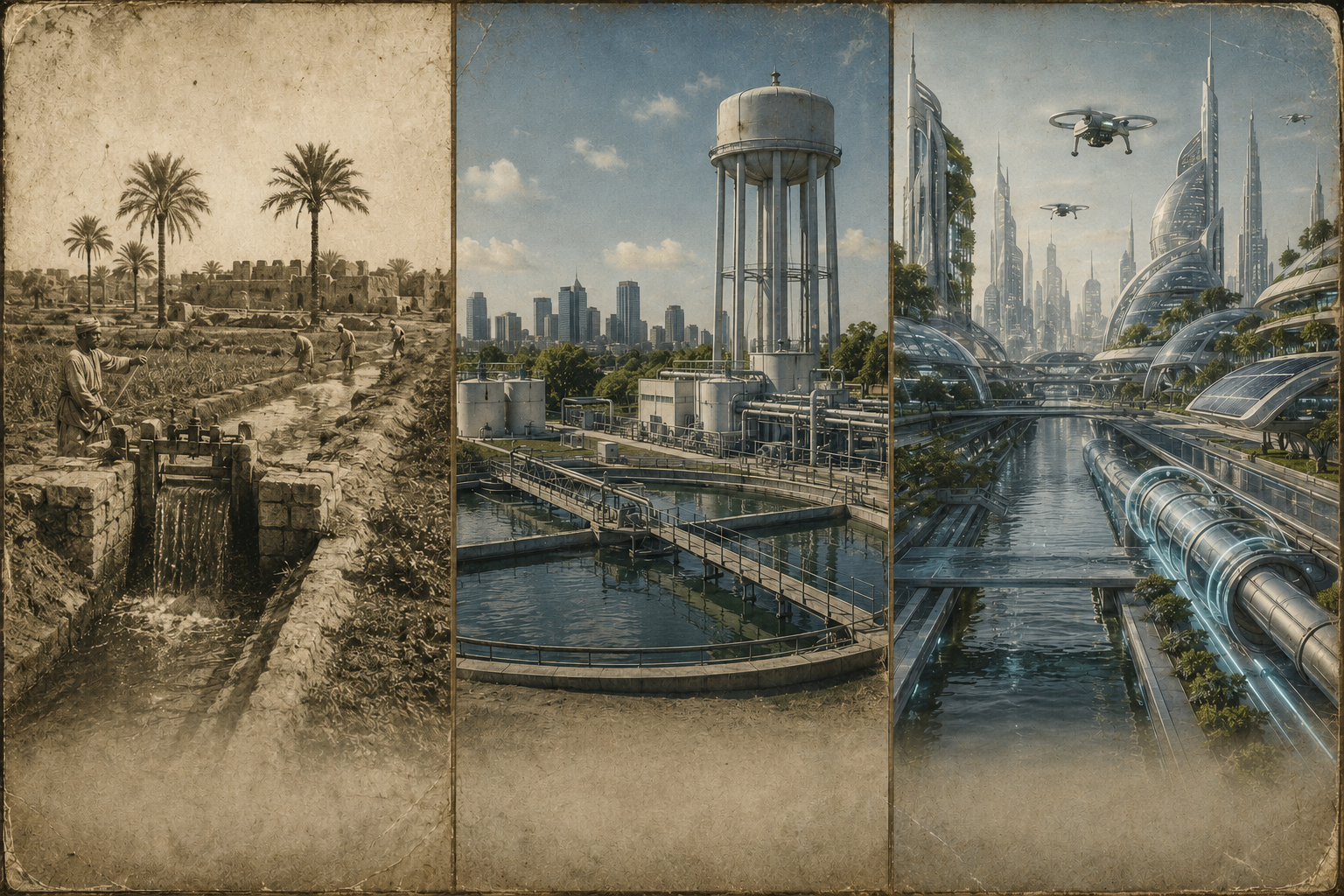
From Clipboards to Cloud: Digitizing Water and Wastewater Operations For decades, water and wastewater operations have generally relied on a familiar set of tools: clipboards, logbooks, and manual reporting processes. These methods have worked. Operators have built systems of checks and routines that keep infrastructure running day to day. But as systems become more complex…
-
 Smart Water System Technology
Engineered-to-Order Water and Wastewater
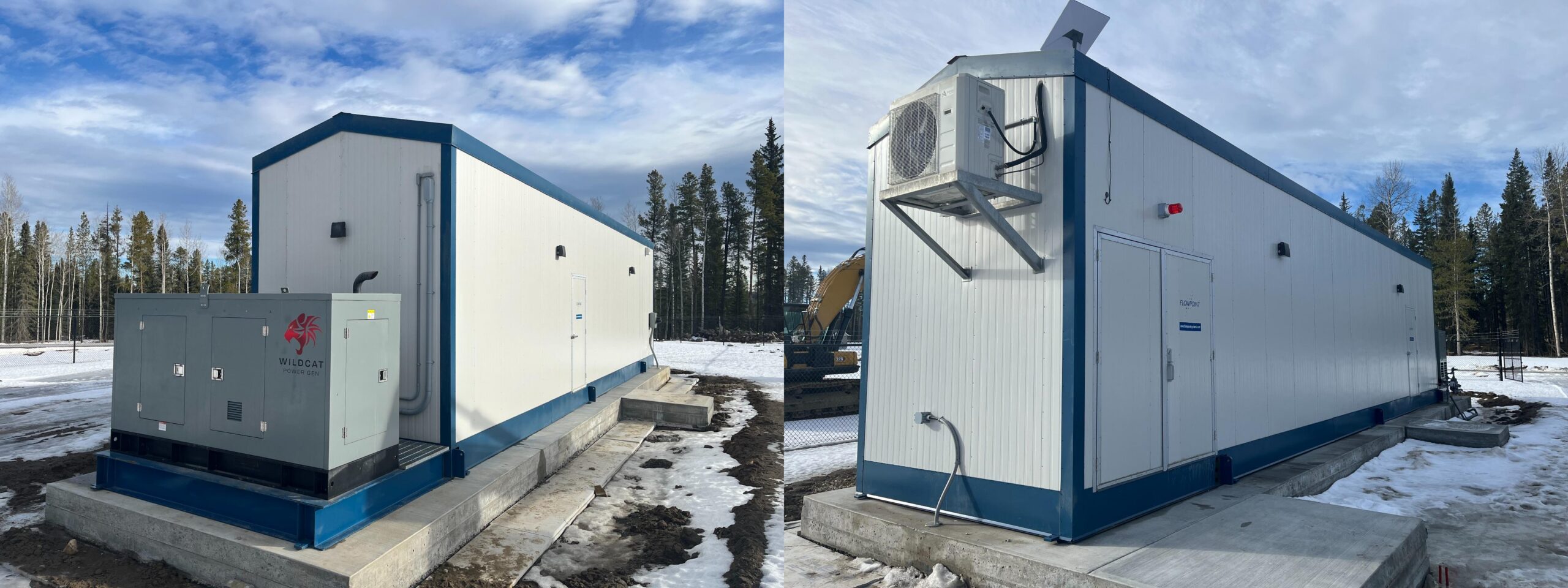
Unlocking Revenue, Utilizing Efficient Processes, and Conserving Resources with Engineered-to-Order Water and Wastewater Systems Utilities are at a critical moment with increasing regulatory pressure, aging infrastructure, and persistent staff shortages. All of which are converging with rising operational costs, forcing utilities to do more with less. At the same time, communities demand greater accountability in…
-
 Bulk Water Dispensing Stations
Unattended Water Dispensing & Residuals
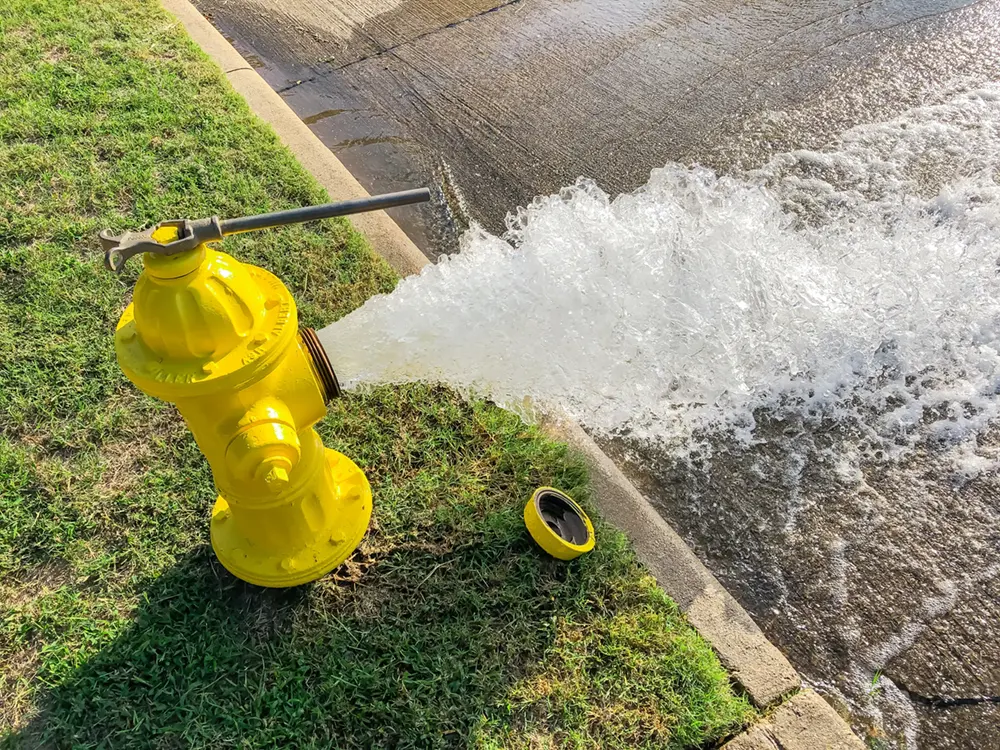
Rethinking Hydrant Flushing: How Unattended Water Dispensing Can Improve Chlorine Residuals and Generate Revenue Sooner or later, maintaining adequate chlorine residuals at the extremities of a water distribution system is a challenge for municipalities and utilities. Dead-end mains, long distribution spurs, and low-demand zones often lead to increased water age, reduced disinfectant levels, and higher…
-
 Smart Water System Technology
Outdated Water Infrastructure: True Cost
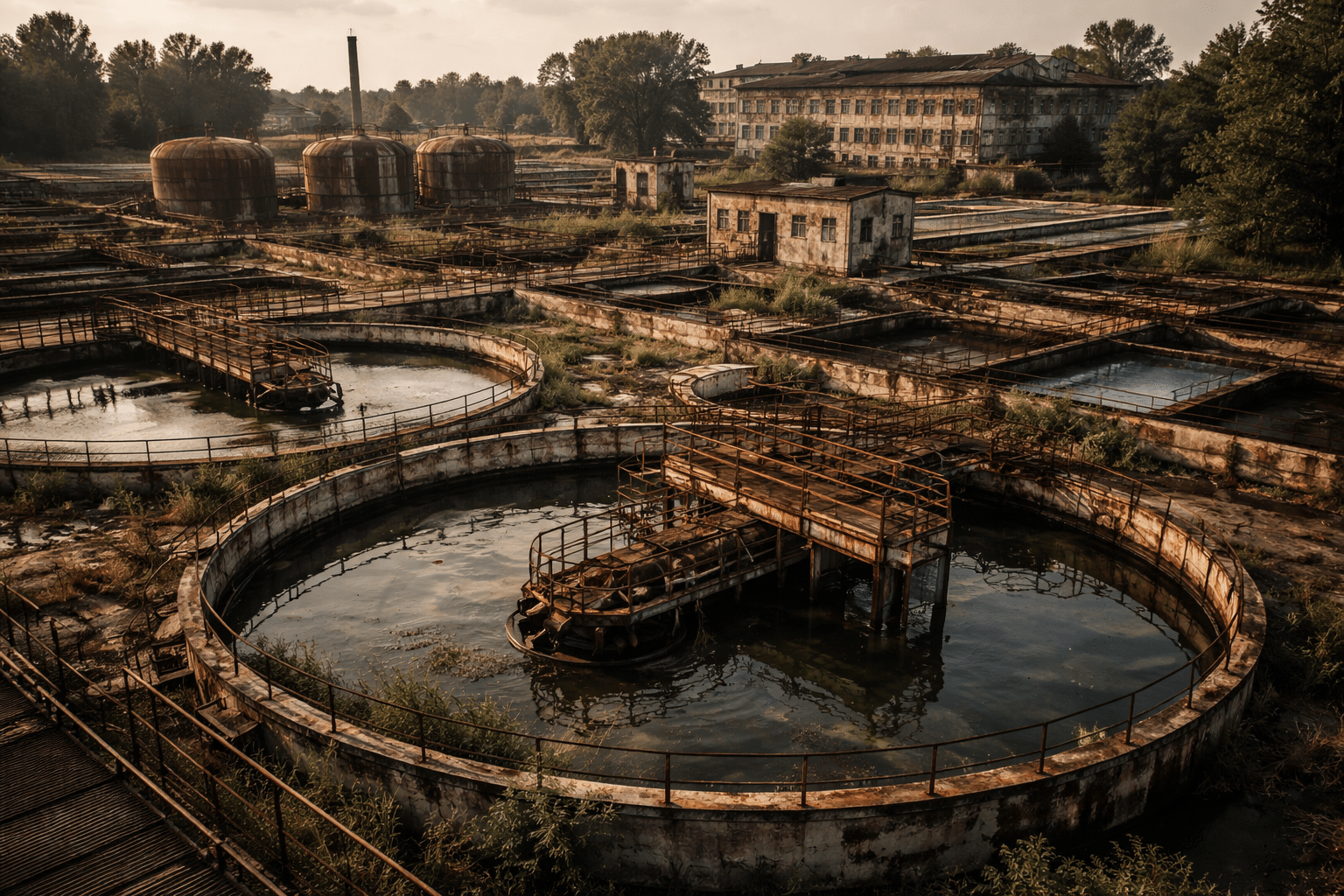
The True Cost of Outdated Water Infrastructure (And How to Fix It) Water Infrastructure is easy to ignore—until it fails. Across North America, municipalities are facing a growing challenge: aging systems don’t meet today’s demands. From leaking pipelines to inefficient treatment processes, outdated water infrastructure is costing communities more than they realize. These systems often…

Tagline text
Flowpoint news blog
The latest industry information on water and wastewater infrastructure.