
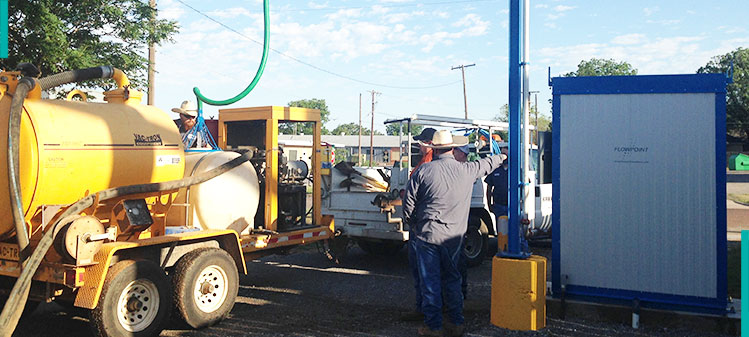
Water is an essential resource that sustains life, hard stop. As a result, it plays a crucial role in maintaining public health and hygiene. Ensuring the quality of water in municipal systems is paramount to safeguarding communities’ well-being. One innovative solution that has proven to be especially effective in this regard is the Flowpoint Automated Bulk Water Loading Station (Water Tipping Station).
In this blog post, we will explore how this system can significantly improve water system quality and increase residual chlorine levels in water mains.
1. Understanding Flowpoint’s Automated Bulk Water Loading Station
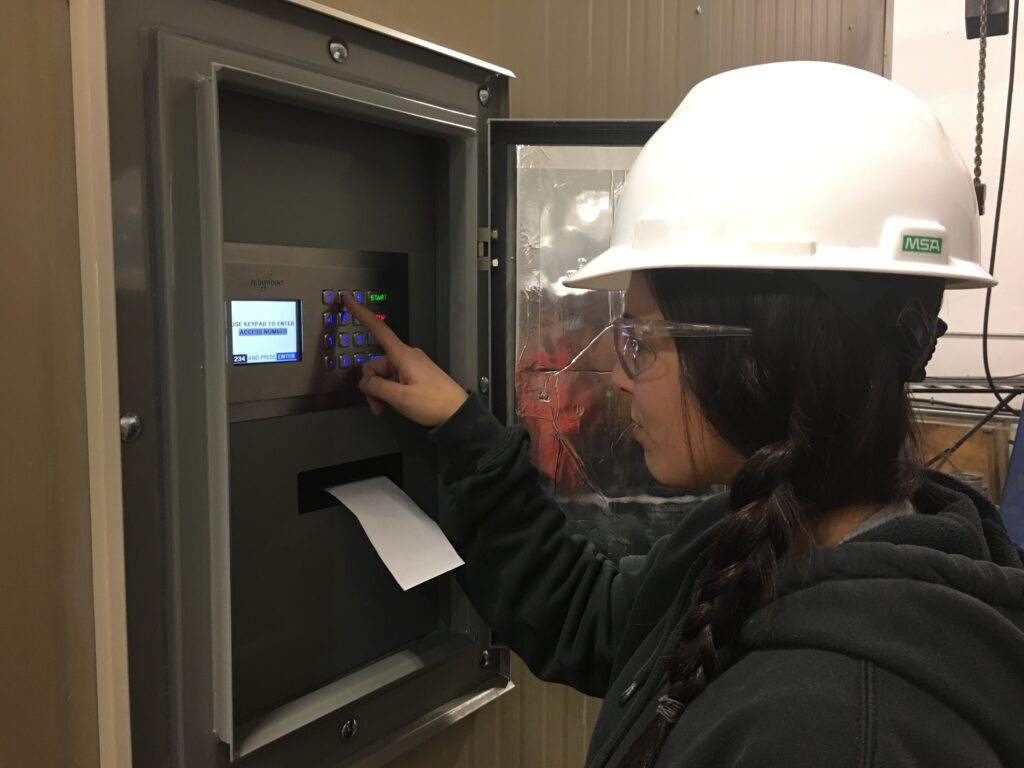
The Flowpoint Bulk Water Loading Station is a cutting-edge solution. Entirely envisioned, designed, and built to streamline and optimize bulk-hauled water distribution for municipal systems. These Truckfill stations integrate reliable dispensing hardware with smart controls to support fast, consistent fills while improving oversight and accountability across your program.
5 Reasons to use an Automated Bulk Water Truckfill System
You can place stations strategically at key points in your distribution network to maximize access and efficiency. Municipalities often install them at dead-end locations in water lines, which supports a pseudo-flushing program in these areas. All while providing a convenient, controlled loading point. From there, bulk water delivery trucks, also street sweepers, construction crews, and dust-control water trucks can draw large volumes quickly and efficiently. Reducing downtime, improving route planning, and ensuring dependable access when and where it’s needed.
If you can’t find a suitable flushing location, you might consider adding a bulk water dispensing solution to your above-ground storage.
2. Improving Residual Chlorine Levels
Residual chlorine is the chlorine content in water after the initial disinfection process. It serves as a critical measure of water quality, providing ongoing protection against potential contamination in the water distribution network. However, maintaining optimal residual chlorine levels can be challenging due to factors such as water age and distance traveled.
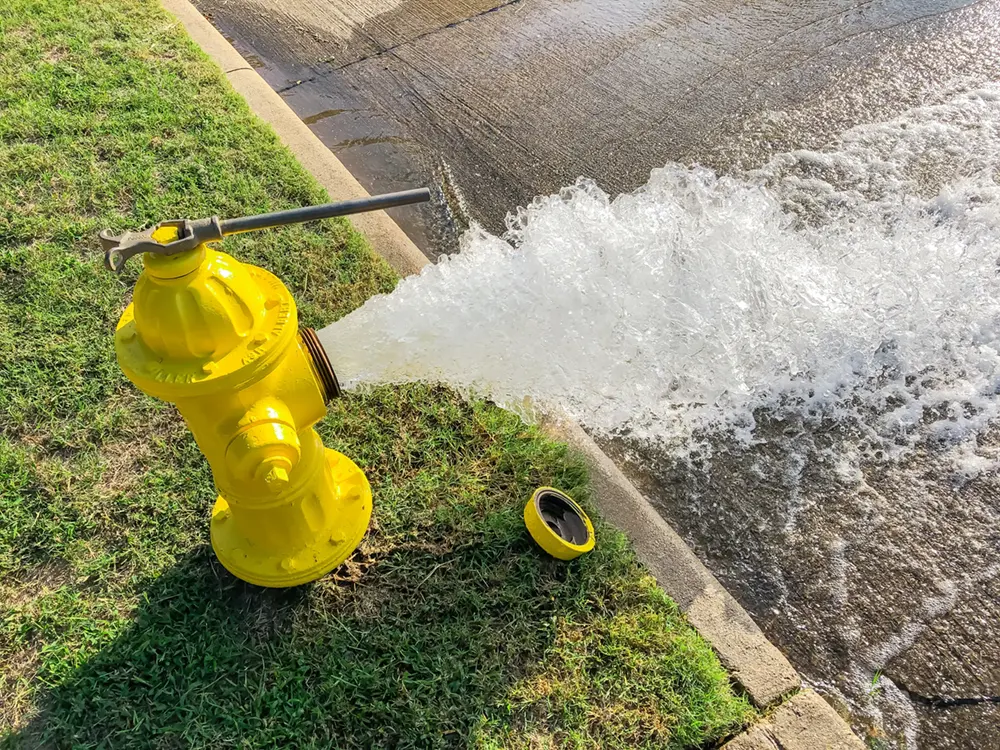
In conventional water distribution systems, utilities often waste excess water by flushing fire hydrants to maintain residual chlorine levels. Undoubtedly, you can solve this by coupling it with your Bulk Water Loading (water tipping station) program.
However, a well-located Flowpoint automated bulk water loading station (truckfill) reduces waste because it has haulers pull the water through the distribution system, using and accounting for the water while helping to maintain residual chlorine levels. By minimizing water wastage, municipalities can conserve this precious resource, reduce operational costs, and enhance their sustainability efforts.
3. Ditch the paperwork
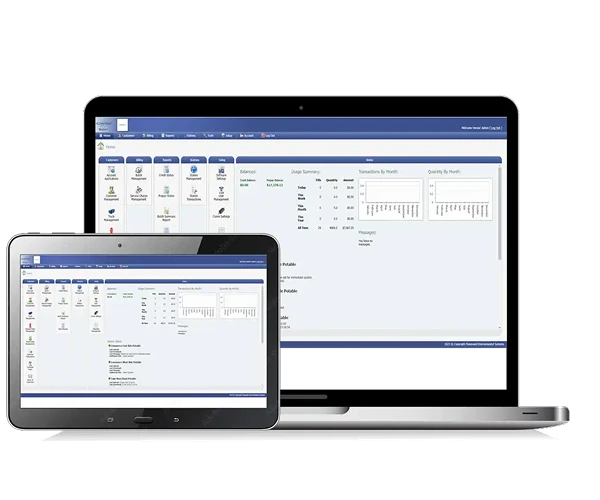
You can dramatically reduce administrative paperwork with our bulk water station software by giving customers access to a secure, cloud-based portal that centralizes everyday account tasks in one organized place.
Staff can use the portal to deliver invoices to customers automatically. Further, they prepay and add funds remotely, all on their own, and access them at every bulk water loading station almost instantaneously. With a few clicks, they can generate detailed usage reports on demand—without calling in or waiting for administrative support. Imagine that. What it creates is a smoother self-service experience, reducing back-and-forth, minimizing manual processing, and improving accuracy across billing and reporting.
For your team, the same portal simplifies internal workflows. You can add or remove users, control station access, and manage customer accounts with clear visibility and audit-ready records. You can also run standardized usage reports in seconds. Whether you’re initially deploying or years down the road, our support team can help build custom exports that integrate cleanly with your existing billing software.
Instead of relying on paper forms, email threads, and repetitive data entry, your staff can complete updates quickly and consistently in a single system. The result is less time spent on routine tasks. With fewer errors, faster responses to customer needs, and more capacity for higher-value work.
Flowpoint’s Bulk Water Loading Station: Represents a significant advancement in water distribution technology.

By ensuring controlled distribution with a Truckfill, you improve residual chlorine levels. This further plays a vital role in enhancing water system quality and protecting public health. As more cities adopt this innovative solution, we can look forward to a future with access to safe water. Thus making effectively disinfected water more reliable, efficient, and accessible than ever before.
A Bulk Water loading Station improves water quality and supports a stronger community. The program provides residents with reliable access to clean, safe water every day. That consistency reduces risk, builds confidence in the local supply, and increases trust in your organization. Operators also track quality and usage in real time, providing usable metrics. When conditions change, teams can respond quickly and correct issues sooner than ever before. This approach safeguards public health and better protects citizen well-being, which is our ultimate goal.
Flowpoint’s Automated Bulk Water Loading Station is the solution you’ve been looking for
Customers choose Flowpoint as their trusted manufacturer of bulk water loading stations (water tipping stations). We work with you to design, situate, and provide ongoing support for your dispensing program. Long term, you can be assured that it will be more reliable, simplify your daily operations, and increase efficiency across your existing system. With deep technical expertise and responsive support, we help you advance your program with less friction. Then you can experience greater confidence—at every stage.
Bring Flowpoint into your bulk water strategy and see the difference. Whether you serve rural users, an ever-growing densely populated municipality, or fire services, we help you expand access, streamline distribution, and build a more resilient approach to water delivery. Ready for today’s needs and tomorrow’s challenges.