

Rethinking Hydrant Flushing: How Unattended Water Dispensing Can Improve Chlorine Residuals and Generate Revenue
Sooner or later, maintaining adequate chlorine residuals at the extremities of a water distribution system is a challenge for municipalities and utilities. Dead-end mains, long distribution spurs, and low-demand zones often lead to increased water age, reduced disinfectant levels, and higher risks to water quality. For that reason, we will help you understand how unattended water dispensing can replace hydrant flushing. Altogether, software managing bulk water haulers from a reputable bulk water dispensing system supplier can foster a subtle symbiosis that culminates in complete bulk water dispensing systems.
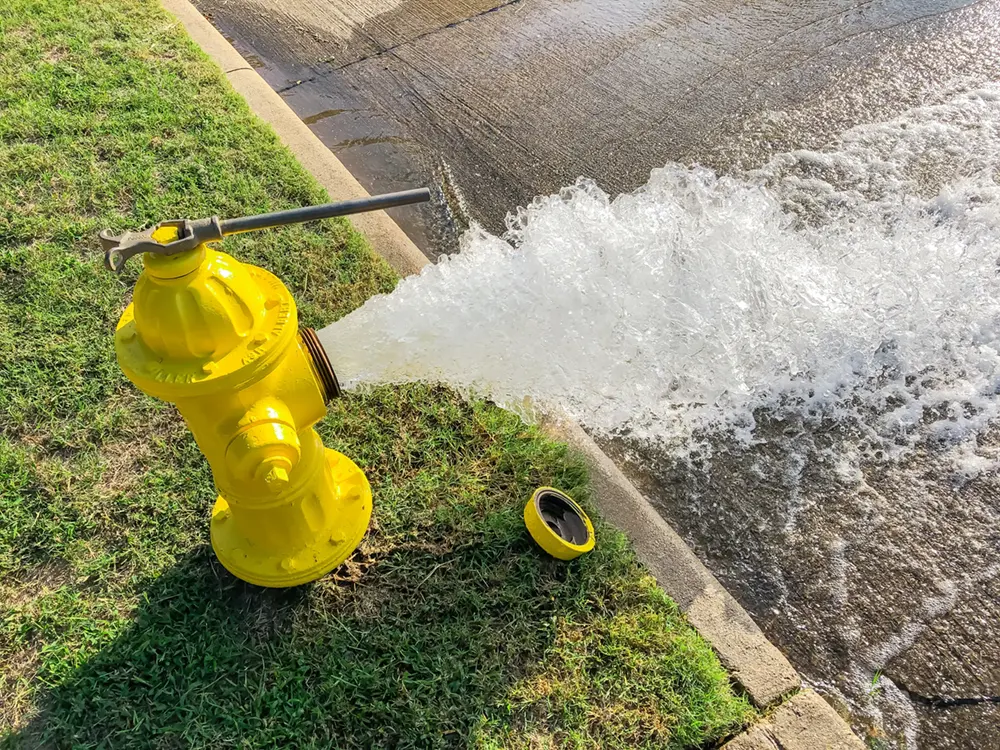
Traditionally, utilities address this issue through hydrant flushing programs—opening hydrants to move standing water out of the system and draw fresh, chlorinated water through the pipes. While this method is widely used and effective in the short term, it is also very wasteful and labor-intensive, and offers no long-term value.
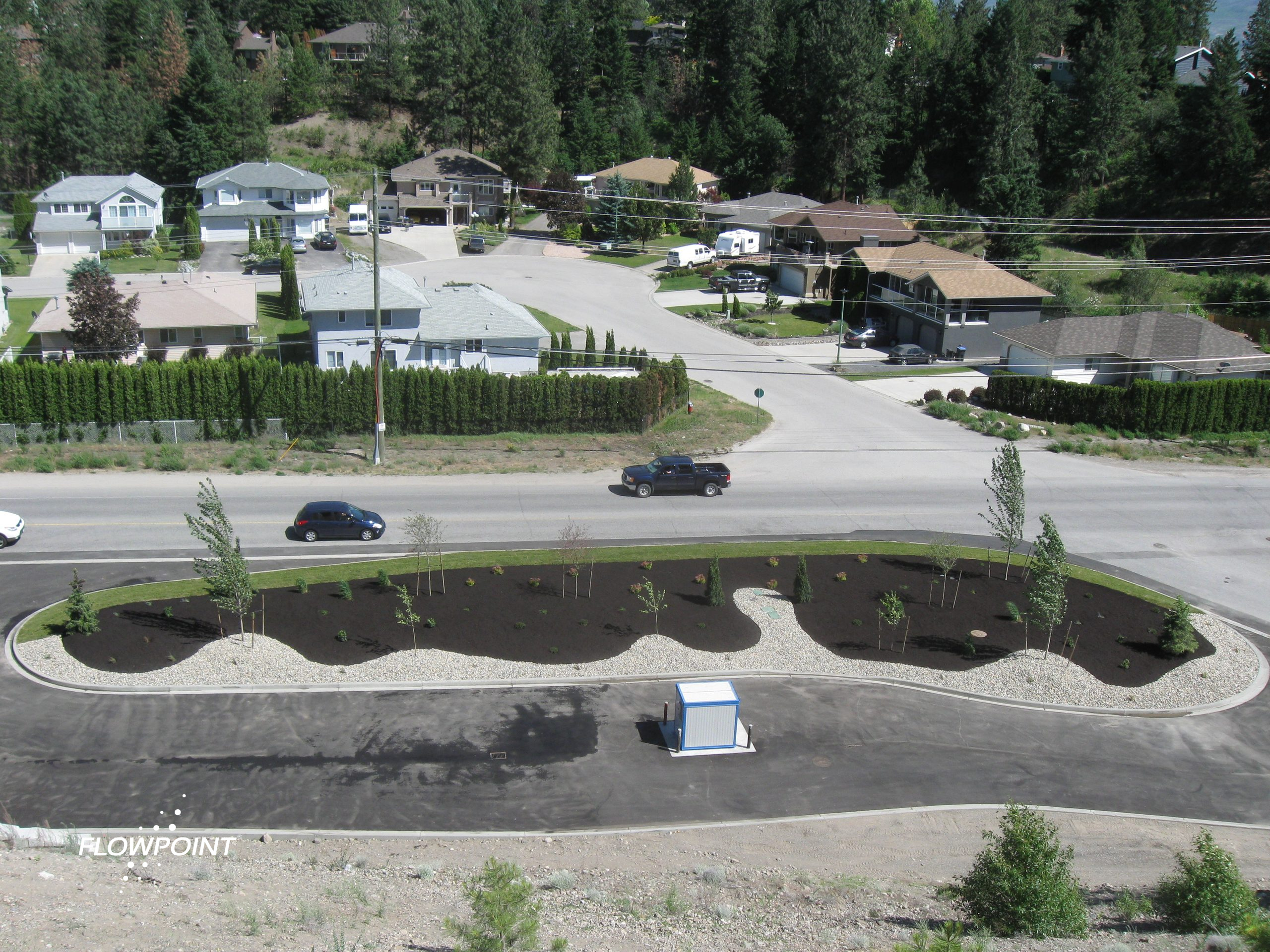
A more innovative approach is emerging: installing complete bulk water dispensing systems at the ends of water-main distribution spurs. This strategy allows utilities to maintain chlorine residuals through controlled, demand-driven flow—while simultaneously generating revenue from Bulk Water Sales.
The Limitations of Traditional Hydrant Flushing
Hydrant flushing has long been the standard practice for maintaining water quality in low-flow areas. Operators manually open hydrants to create high-velocity flow, thereby clearing out aged water and restoring disinfectant levels. However, this approach comes with several drawbacks:
- Water waste: Treated potable water is discharged directly to the environment
- Labor-intensive operations: Crews must schedule, execute, and monitor flushing events
- Temporary impact: Chlorine residuals decline again once flushing stops
- Operational disruption: Flushing can cause pressure fluctuations and customer complaints
- No cost recovery: Flushing is purely an expense with no associated revenue
As systems expand and distribution networks become more complex, the frequency and cost of flushing programs consequently increase.
Introduction to Unattended Water Dispensing
A New Approach: Turning Flushing into Productive Flow
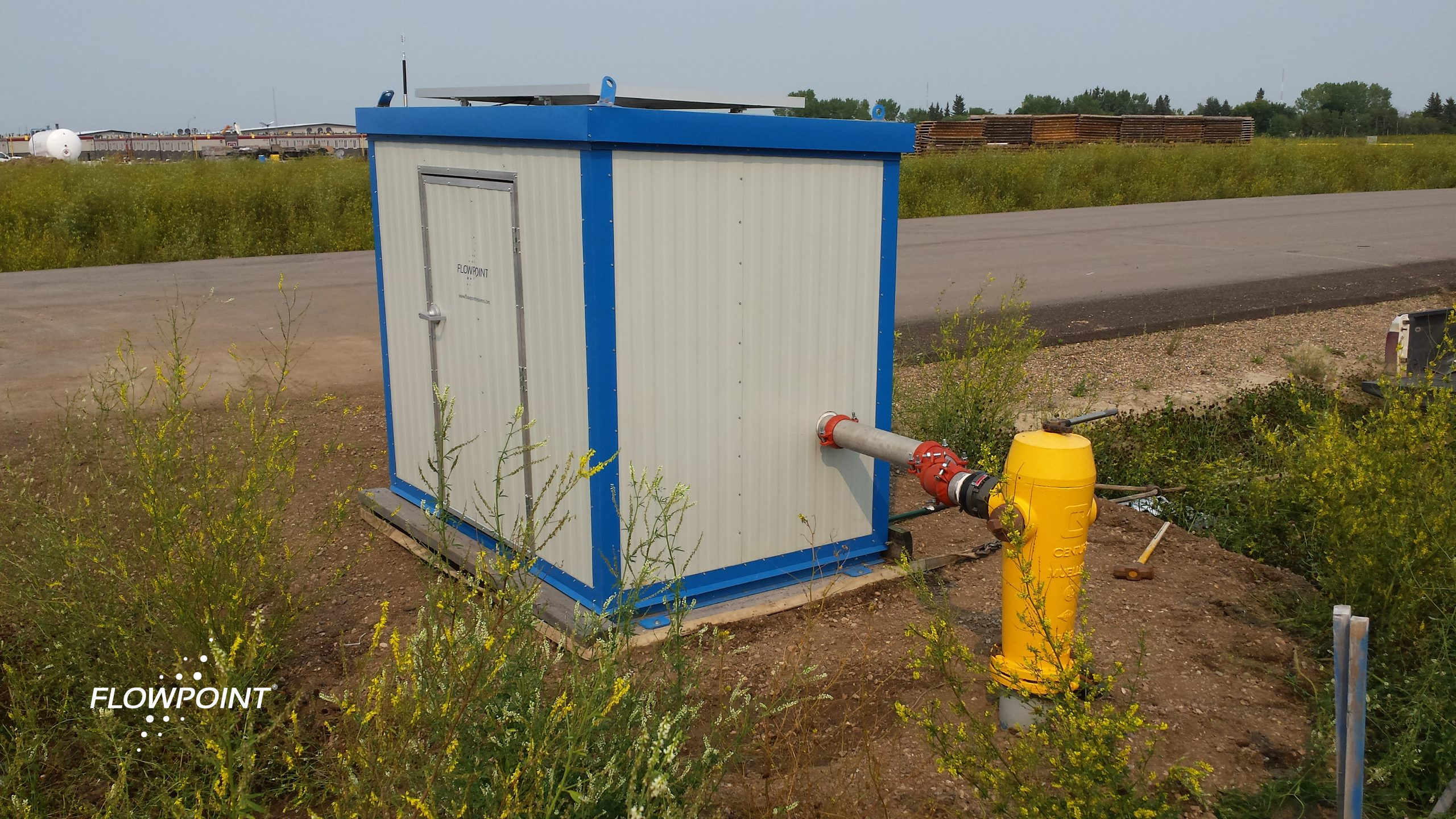
Installing complete bulk water dispensing systems at the end of distribution spurs introduces a fundamentally different model. Instead of periodically forcing water through the system, utilities can create ongoing, controlled flow driven by real customer demand.
Water haulers, contractors, agricultural users, and industrial clients access the system through the station to draw water as needed. Each transaction effectively pulls fresh water through the distribution main, and achieves the same goal as hydrant flushing—but in a far more efficient and sustainable way.
Correspondingly, this transforms flushing from a reactive maintenance task into a continuous, value-generating process.
Improving Chlorine Residuals with Unattended Water Dispensing
Dual-Purpose Infrastructure: Water Quality + revenue
What makes this approach particularly compelling is its dual benefit:
1. Maintaining Chlorine Residuals
By creating a consistent flow at the end of the system, a bulk water dispensing station reduces water age and helps maintain stable disinfectant levels. Instead of relying solely on periodic flushing, utilities gain a passive, ongoing mechanism and preserve water quality.
2. Generating Revenue from Complete Bulk Water Dispensing Systems
Unlike hydrant flushing, which incurs cost with no return, a bulk water dispensing station enables municipalities to sell water to approved users—creating s a new revenue stream that can offset infrastructure costs and ongoing operations.
In effect, utilities are turning a regulatory requirement—maintaining chlorine residuals—into a financially productive asset.
Supplementing, Not Eliminating, Flushing Programs
It’s important to note that unattended water dispensing does not necessarily eliminate the need for flushing altogether. Instead, it acts as a supplement to existing flushing programs, significantly reducing their frequency and intensity. Utilities can:
- Use the station to maintain baseline flow and residual levels
- Reduce the number of required hydrant flushing events
- Target flushing more strategically when needed
This hybrid approach improves overall system efficiency and preserves operational flexibility.
Strategic Placement at Distribution Extremities
The success of this model specifically depends on proper placement. Installing the bulk water dispensing station at the end of a water main distribution spur ensures that demand-driven flow reaches the areas most prone to stagnation. Key factors to consider include:
- Historical chlorine residual performance
- Length and diameter of the distribution spur
- Existing flushing frequency and costs
- Accessibility for bulk water users
By targeting the weakest points in the system, utilities can maximize both water quality improvements and user adoption.
Benefits of Bulk Water Dispensing Stations
Smart Monitoring and Control with Software Managing Bulk Water Haulers
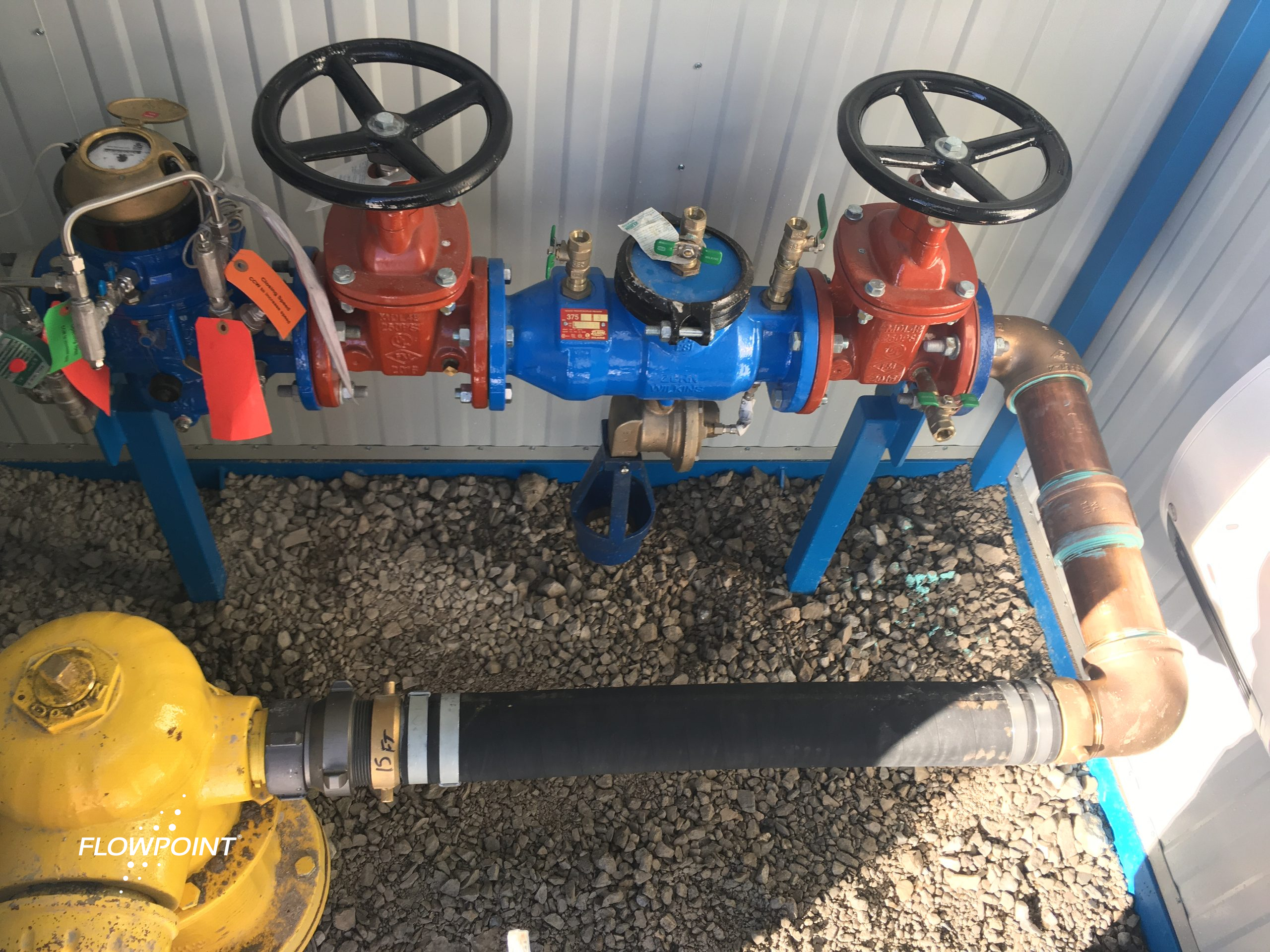
Modern unattended water dispensing systems—such as those currently developed by an industry-leading bulk water dispensing system supplier like Flowpoint—are equipped with advanced automation and monitoring capabilities. Through platforms like Water+, operators receive software managing bulk water haulers, further permitting them to:
- Track water usage and flow patterns in real time
- Monitor system performance and residual trends
- Control access and pricing for different user groups
- Generate reports for compliance and planning
This level of visibility allows utilities to move from reactive maintenance to data-driven system optimization.
Environmental and Community Benefits
Beyond operational and financial advantages, this approach also supports broader and sustainable goals:
- Reduced water waste compared to open hydrant flushing
- Lower carbon footprint by minimizing truck-based operations
- Improved service access for local contractors and industries
- Enhanced public perception through efficient resource management
By aligning infrastructure with both environmental and economic objectives, utilities can deliver greater value to their communities.
Real-World Potential
Communities that adopt this model often see immediate benefits:
- Decreased reliance on frequent flushing
- More consistent chlorine residual levels at system endpoints
- Lower operational costs over time
- New revenue streams from bulk water access
As adoption grows, the bulk water dispensing station becomes more than just a utility asset—it becomes a critical node in the distribution network.
Future-Proofing Distribution Systems with Complete Bulk Water Dispensing Systems
As water systems continue to expand into rural and low-density areas, the challenges of maintaining water quality at the edges of the network will only increase. Thus, traditional flushing methods alone are not scalable or sustainable in the long term.
A bulk water dispensing station offers a forward-thinking solution—one that combines infrastructure efficiency, smart technology, and revenue generation.
Conclusion: Flowpoint is your Bulk Water Dispensing System Supplier
Hydrant flushing has been the default solution for maintaining chlorine residuals for decades, but it comes at a cost—both financially and environmentally. By contrast, a well-placed bulk water dispensing station provides a modern alternative that transforms necessary system flow into a productive, revenue-generating activity.
Rather than replacing flushing entirely, this approach will enhance it—reduce its frequency, improve its effectiveness, and deliver ongoing value to utilities and their communities. Learn how Flowpoint, with over 30 years as a bulk water dispensing system supplier, can help you implement unattended water dispensing as part of your distribution strategy and further enable you to leverage the benefits of software managing bulk water haulers.