
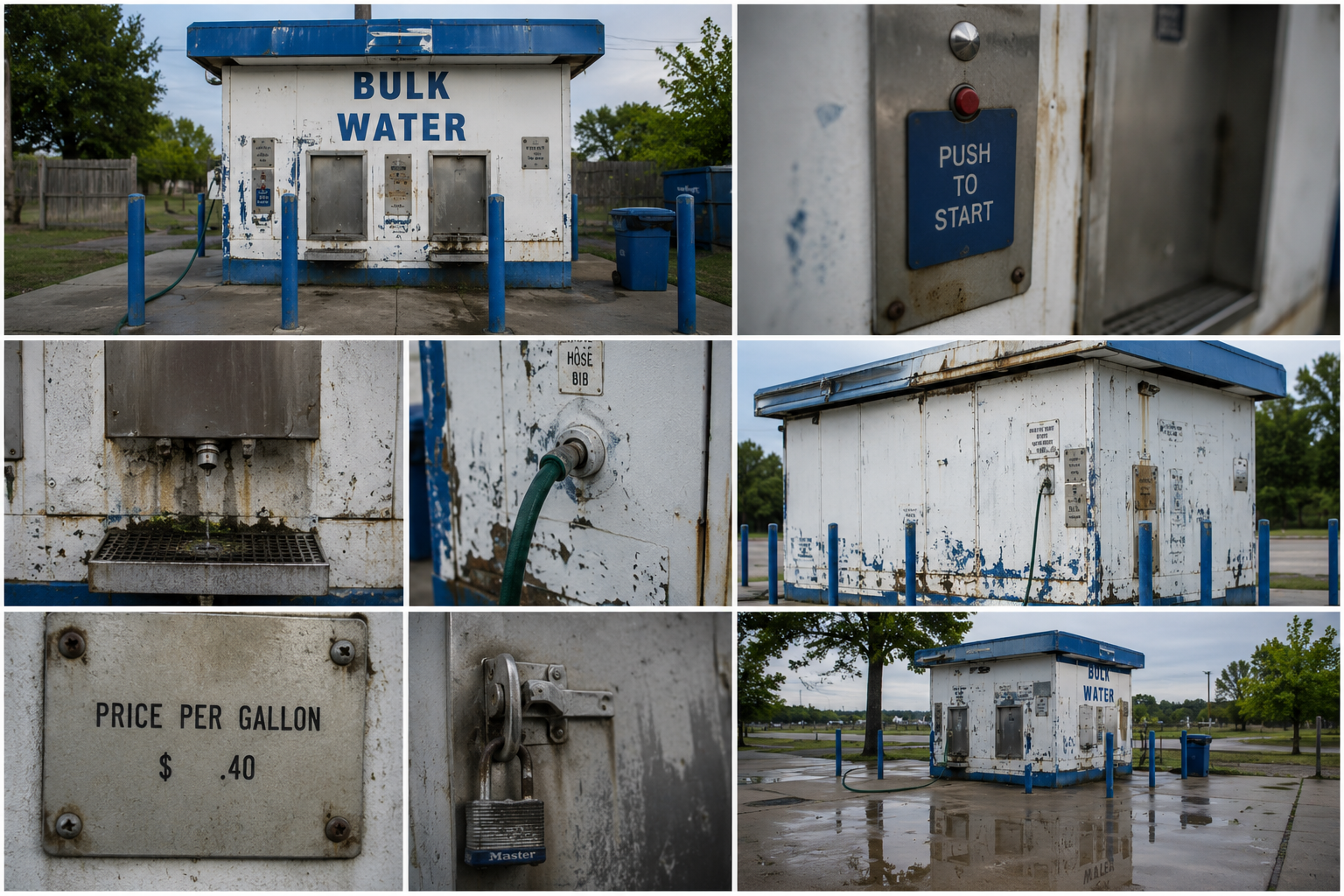
Why It’s Time to Upgrade Your 10–15-Year-Old Bulk Water Dispensing or Septage Receiving Station
Don’t wait for failure to modernize critical infrastructure; start preparing to upgrade your current bulk water dispensing or septage receiving station today. If your bulk water dispensing station or septage receiving station has been operating flawlessly for the past 10 to 15 years, congratulations—you’ve likely invested in quality infrastructure. However, the very fact that your station has performed reliably for over a decade may be the strongest reason to begin planning an upgrade.
Many municipalities and utilities fall into the trap of thinking that because a station is still functioning, it doesn’t require attention. While this approach may seem cost-effective in the short term, aging control systems, electronics, communication hardware, sensors, pumps, and mechanical components can create significant risks long before obvious signs of failure appear.
The reality is that every piece of equipment has a lifecycle. By proactively modernizing aging infrastructure, operators can reduce the risk of downtime, improve cybersecurity, enhance operational visibility, and extend the useful life of their station by another decade or more.
The Hidden Risks of Aging Infrastructure
After 10 to 15 years of service, many of these critical components are approaching or have exceeded their expected lifecycle. Common concerns include:
- Obsolete PLC hardware
- Aging communication equipment
- Unsupported software platforms
- Failing HMIs and touchscreens
- Sensor drift and inaccurate readings
- Deteriorating rubber seals and gaskets
- Worn valves and actuators
- Increasing maintenance requirements
- Limited availability of replacement parts
These issues often remain hidden until a critical failure occurs—typically at the most inconvenient time.
Why PLC Upgrades Should Be a Priority
The PLC is the brain of your station. It controls dispensing operations, monitors sensors, records transactions, manages alarms, and communicates with supervisory systems. Many stations installed 10 to 15 years ago rely on PLC platforms that are approaching obsolescence. Manufacturers such as Rockwell Automation maintain product lifecycle programs that identify equipment nearing end-of-support status, helping utilities proactively plan replacements before failures occur. Thus, providing significant reliability when you upgrade your bulk water and septage stations.
Learn more about Rockwell’s lifecycle management program
Rockwell Automation’s Product Lifecycle Status program categorizes hardware by availability and support level, enabling operators to identify aging equipment before replacement parts become difficult to source.
Limited Availability of Replacement Parts – When a processor, communication card, or I/O module fails, finding replacement components can become difficult and expensive. In some cases, replacement hardware may only be available through secondary markets, where reliability and warranty coverage can be uncertain.
Software Compatibility Issues – Legacy PLC software often struggles to operate on modern operating systems. Correspondingly, municipalities are frequently surprised to discover they no longer have access to the software, backups, or programming tools required to support their existing controls.
Increased Downtime Risk – A single failed PLC component can take an entire station offline. For communities that depend on bulk water sales or septage receiving services, downtime can directly impact customer service, operational efficiency, and especially, revenue generation.
Upgrade to a Modern Bulk Water or Septage Station
Moreover, upgrading to a modern Rockwell Automation platform provides continued manufacturer support, improved diagnostics, greater reliability, and long-term access to replacement components.
Modern Electronics Deliver More Than Reliability—Upgrading electronics isn’t simply about replacing old equipment—it is an opportunity to improve station performance. Modern control systems can provide:
- Real-time monitoring and reporting
- Enhanced alarm management
- Cloud-based data access
- Improved transaction tracking
- Faster troubleshooting capabilities
- Better integration with SCADA systems
- Remote diagnostics and support
- Improved operational visibility
Many municipalities discover that a controls upgrade explicitly delivers operational benefits that go well beyond reliability improvements.
Communication Hardware Ages Faster Than You Think
Cellular modems, routers, switches, and communication gateways often have shorter lifespans than the station itself. In many cases, telecommunications providers retire older cellular technologies, leaving legacy equipment unable to communicate effectively. A communication failure can result in:
- Lost remote monitoring capabilities
- Missed alarms
- Incomplete reporting
- Reduced operational visibility
- Delayed response to system issues
An upgrade to your bulk water and septage communication infrastructure otherwise ensures your station remains connected and capable of supporting modern remote monitoring platforms and cloud-based management systems.
The Clock Is Also Ticking on Your Mechanical Hardware
Don’t Overlook Rubber Components and Wear Parts – While control systems often receive the most attention, mechanical wear components are equally important. Rubber seals, gaskets, diaphragms, valve seats, hoses, and elastomeric components naturally deteriorate with age. Even if there are no visible leaks, aging rubber can experience:
- Hardening
- Cracking
- Shrinkage
- Chemical degradation
- Reduced sealing performance
In septage receiving stations, exposure to corrosive and abrasive waste streams especially accelerates wear. In bulk water dispensing stations, environmental exposure, pressure cycling, and continuous operation contribute to long-term deterioration. Proactively replacing these components helps prevent unexpected failures and costly emergency repairs.
Pumps, Valves, and Flow Components Wear Gradually – One of the biggest challenges with mechanical wear is that performance degradation often happens slowly. In the long run, operators may not immediately notice:
- Reduced flow rates
- Increased pump run times
- Higher energy consumption
- Valve performance issues
- Inaccurate flow measurements
Over time, these inefficiencies increase operating costs and place additional stress on equipment. A planned upgrade and modernization of the bulk water and septage station creates an ideal opportunity to inspect, rebuild, or replace aging mechanical components before they become operational problems.
Cybersecurity Is Now a Critical Infrastructure Requirement
Cybersecurity was rarely a major consideration when many stations were installed 10 to 15 years ago. Today, the landscape has changed dramatically. The U.S. Environmental Protection Agency (EPA) and the Cybersecurity and Infrastructure Security Agency (CISA) both identify water and wastewater systems as critical infrastructure sectors and recommend implementing modern cybersecurity practices to protect operational technology environments.
EPA Water Utility Cybersecurity Resources
CISA Water and Wastewater Systems Sector
Legacy systems often lack:
- Secure communication protocols
- Modern authentication methods
- Current security patches
- Network segmentation capabilities
- Secure remote access controls
Modernizing PLCs, communication equipment, and software platforms helps utilities align with current cybersecurity best practices while reducing operational risk.
Planned Upgrades Cost Less Than Emergency Failures
One of the most important reasons to modernize aging infrastructure is financial predictability. A planned bulk water or septage upgrade allows operators to:
- Budget effectively
- Schedule work during low-demand periods
- Reduce service interruptions
- Obtain competitive pricing
- Coordinate multiple improvements simultaneously
Emergency failures often result in:
- Rush repair costs
- Extended downtime
- Lost revenue
- Temporary workarounds
- Increased labor expenses
In nearly every case, proactive modernization is significantly less expensive than reactive repairs.
Future-Proof Your Station for the Next Decade
Organizations such as the American Water Works Association (AWWA) and the Water Environment Federation (WEF) continue to advocate for proactive asset management strategies that address aging infrastructure before failures occur.
American Water Works Association
If your bulk water dispensing station or septage receiving station has provided 10 to 15 years of reliable service, it has likely delivered exceptional value. However, reliability today does not guarantee reliability tomorrow. By upgrading aging PLCs, communication systems, electronics, sensors, pumps, valves, rubber components, and wear parts, municipalities can reduce risk, improve performance, strengthen cybersecurity, and extend the life of critical infrastructure.
The best time to modernize is before a failure forces your hand. A proactive bulk water or septage upgrade today can help ensure your station continues operating reliably for the next 10 to 15 years while benefiting from the latest advances in automation, monitoring, cybersecurity, and operational efficiency.