
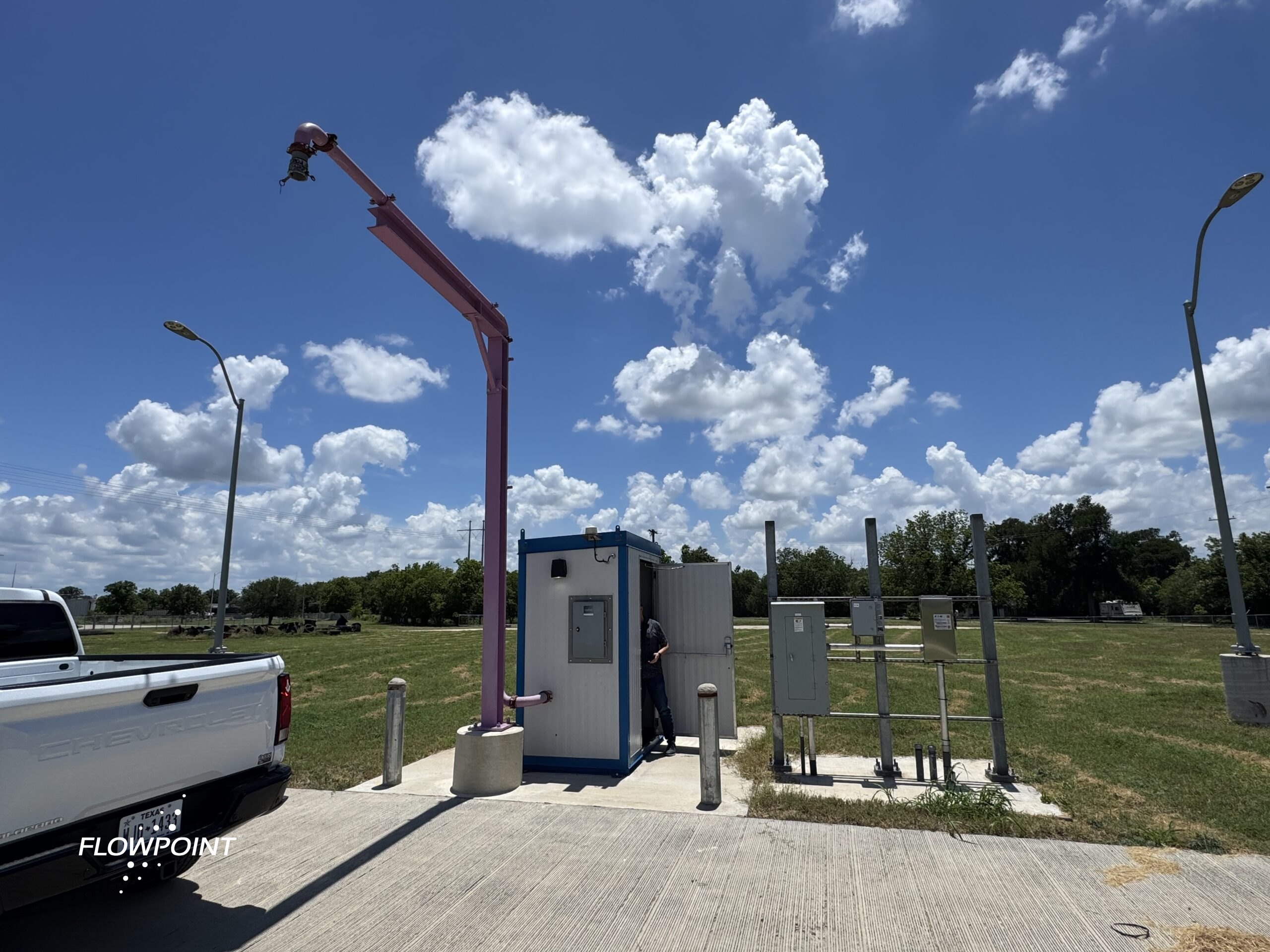

Lake Mead’s Warning: Make Every Gallon Count with an Automatic Water Distribution System
Lake Mead’s shrinking shoreline shows why cities need to make each gallon count. An automatic water distribution system gives staff tools to control access, track use, and manage truck fills. For some towns, a bulk water station replacement offers a fresh start when old equipment no longer meets their needs. Elsewhere, bulk water station modernization can improve controls while keeping sound parts in service. Choosing a premier bulk water vending station means looking at how the whole site works. Above all, a skilled bulk water vending station manufacturer should help match the design to local water goals. Together, these choices can support better use of both drinking water and reclaimed supplies.
The challenge reaches beyond the amount of water in a lake. Cities also need clear records, safe access, and staff who can manage each site with ease. Yet paper logs and aging controls can make those tasks harder than they need to be. A sound plan starts with identifying these gaps and deciding which changes will deliver the most value.

One River, Seven States, Shared Pressure
The Colorado River serves more than 40 million people, along with farms, Tribal Nations, and towns in Mexico. Arizona, California, and Nevada make up the Lower Basin, while Colorado, New Mexico, Utah, and Wyoming make up the Upper Basin. However, each area faces different risks and rules within the shared river system. Lake Mead’s decline therefore matters well beyond the towns along its shores.
NASA’s Lake Mead imagery shows the long-term effects of drought and growing demand. Meanwhile, the Bureau of Reclamation’s July 2026 final review addresses future river use. These pressures give local leaders a reason to look closely at their own water use. Even small service points deserve sound controls, clear records, and a plan for changing demand.
Where an Automatic Water Distribution System Fits
A city can set water goals, but staff need ways to apply them at the fill point. Flowpoint pairs meters and user access controls with billing and reporting tools. For example, an account and PIN can link a load to a known user. As a result, staff gain a clearer record of who drew water and how much they took.
A premier bulk water vending station should make daily work easier for staff and drivers alike. Just as important, the layout must suit truck traffic, flow needs, weather, and space for repairs. Your bulk water vending station manufacturer should review those needs before choosing parts or setting a price. From there, bulk water station modernization can target the gaps that cause the most trouble.
Put Reclaimed Water to Work
Some jobs can use treated reclaimed water in place of potable water. For instance, approved uses may include dust control, certain building work, and watering green space. The EPA’s drought and conservation guidance explains why reuse matters as western supplies face stress. When reclaimed water replaces an existing potable water use, it can ease demand on that supply.
However, water treatment and dispensing play distinct roles in a reuse program. Treatment must produce water fit for the end use, while the fill point controls access and records loads. Before launch, confirm local rules, treatment needs, water testing, signs, and safe handling with the project team. Then teach haulers when and where they may take the water and how they may use it.
Storage also deserves a place in the plan, since demand can change by season or time of day. Flowpoint’s above-ground storage options bring tanks, pumps, and controls into one design. In turn, an automatic water distribution system can help manage access to the supply at each fill point. The project team should match tank size and pumping rates to daily demand and water quality needs.

Decide What to Keep and What to Replace
A bulk water station replacement project should start with a review of what already works. First, check the meter, valves, piping, controls, access terminal, and links to your office systems. Ask staff which faults cause delays and how often they occur. That review can show whether the site needs new controls, repairs, or a full rebuild.
By contrast, bulk water station modernization may suit a site with sound piping but weak tracking or dated controls. Flowpoint offers retrofit access terminals and complete stations. Its engineered-to-order solutions help teams plan how new equipment will fit with existing parts. Before choosing a route, compare repair costs, staff time, service needs, and each option’s expected life.
A skilled bulk water vending station manufacturer should explain where each option adds value. For example, a new terminal may improve access control without solving a worn valve or poor truck layout. A premier bulk water vending station needs the right flow path, safe access, and useful records working together. Therefore, assess the whole site before you agree on the scope or set the budget.
Make Records Useful and Keep Data Secure
An automatic water distribution system works best when staff can use its records to answer real questions. Flowpoint’s Water+ software gives approved staff remote access to station activity, accounts, and usage reports. Staff can also change rates, set operating hours, and manage access. This can reduce the need for a site visit each time a routine setting changes.
Security should also form part of bulk water station modernization from the start. Review who can change settings, how staff sign in, and what happens when someone leaves the team. Flowpoint’s cloud software security overview explains its approach to data protection, access safeguards, and recovery planning. Alongside those tools, assign clear staff roles and check access rights as duties change.
Plan the Build Around Real Site Needs
Timing matters during a bulk water station replacement project, especially when customers rely on the existing site each day. Before work begins, map truck access, service gaps, and the steps to bring the site back online. Then agree on who will test the meter, controls, alarms, and account records. A clear handover gives staff time to learn the system before routine use starts.
Flowpoint’s Sunchild First Nation case study offers a useful lesson in planning equipment and site work together. That project combined water treatment, storage, pumps, controls, and backup power in one building. Meanwhile, site crews prepared the foundations and utility connections as Flowpoint built the module offsite. Although that project served another need, its approach shows the value of early planning and factory testing.

Automatic Water Distribution System: Set Clear Goals for the Next Step
A premier bulk water vending station should help your team meet measurable goals. For example, track time spent on billing, missing fill records, repair calls, and reclaimed water use before making changes. Your bulk water vending station manufacturer should help define which results the proposed system can support. After launch, compare results across similar seasons and check which reclaimed water uses truly replace drinking water demand.
Lake Mead’s warning gives cities a reason to act carefully and with purpose. Ultimately, a bulk water station replacement can support stronger service when an aging site no longer meets local needs. An automatic water distribution system helps put that plan into practice through safe access and clear fill records. To discuss your next step, talk with Flowpoint about your site, your users, and the results you want.
