

How RFID Can Automate Landfill Management
Municipal landfills have a more complicated job than simply determining who is authorized to enter a facility. They may need to identify residents and commercial haulers, track vehicles on site, identify load types, and capture weights. All while applying the correct rates and maintaining reliable transaction records. That makes landfill access control only one part of the operational challenge. Modern RFID landfill management systems can connect customer identification with weigh scales, cameras, traffic controls and cloud-based software. Instead of treating each piece of landfill infrastructure as a separate system, municipalities can use RFID as the starting point for a connected landfill transaction.

Why Landfill Operations Require More Than Access Control
At a transfer station, identifying an authorized resident may be the primary requirement. Landfill operations can involve considerably more information. A landfill may serve residents, municipal customers, contractors and commercial haulers, each potentially operating under different rules or rates. Vehicles may need to be identified when they arrive, weighed, associated with a particular material or load type and logged again when leaving the facility.
When these processes depend heavily on manual identification, data entry or disconnected systems, operators can spend considerable time managing transactions rather than managing the facility. The challenge is therefore not simply controlling the gate. It is connecting the different stages of a landfill visit into a reliable operational process.
RFID Creates a Digital Identity for Landfill Customers
RFID, or Radio Frequency Identification, allows a landfill to identify an authorized customer or vehicle electronically. Further, on the backend, it connects that identification to an account within the landfill management system. When the RFID credential is presented or detected, the software can identify the associated account and use that information during the transaction.
This provides a foundation for automating processes that would otherwise require an operator to manually identify the customer, search for an account, or enter information into multiple systems. For municipalities managing both residents and commercial haulers, electronic identification can also help create a more consistent process across different customer types.
RFID Can Become the Starting Point for Automated Landfill Management
The biggest advantage of RFID at a landfill is what can happen after identification. With an integrated landfill operations system, RFID can work alongside other facility equipment and software to help manage the customer’s visit from entry through exit. Depending on the facility configuration, a landfill transaction can incorporate:
- RFID-based customer or vehicle identification
- Automatic vehicle entry and exit logging
- Load-type selection
- Weigh-scale integration
- Rate controls for local users and visitors
- Still-image and video camera integration
- Traffic-light control
- Account and transaction history
Instead of collecting this information through separate manual processes, the landfill can create a more connected digital transaction.
Weigh Scale Integration Connects Identification With the Load
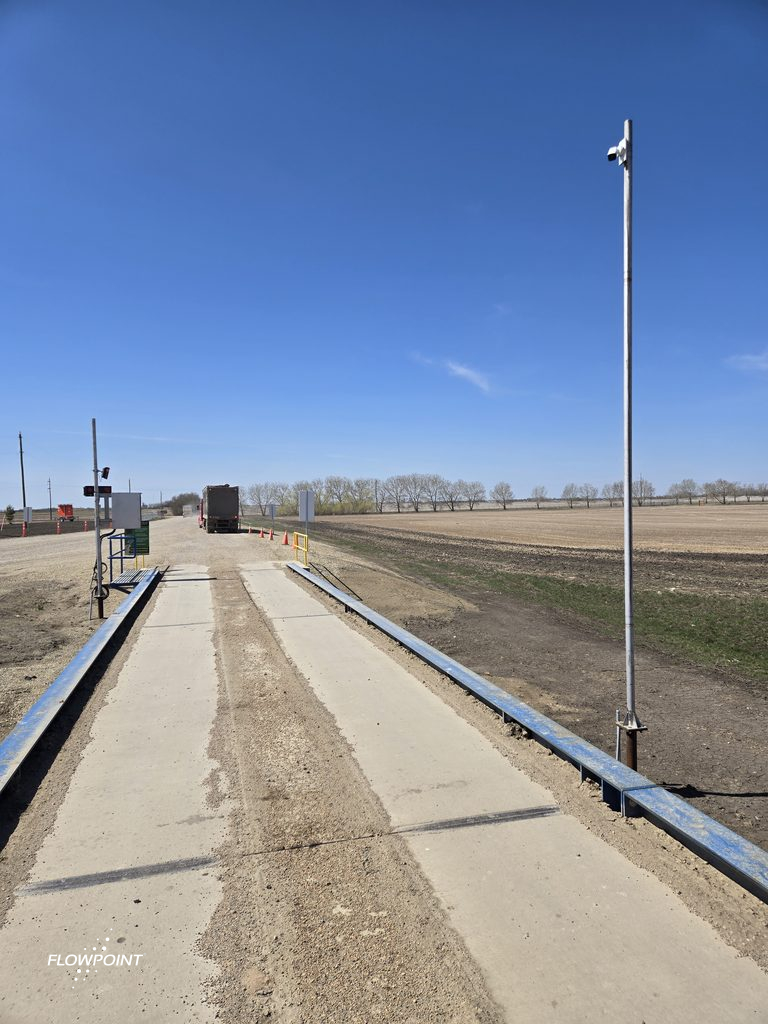
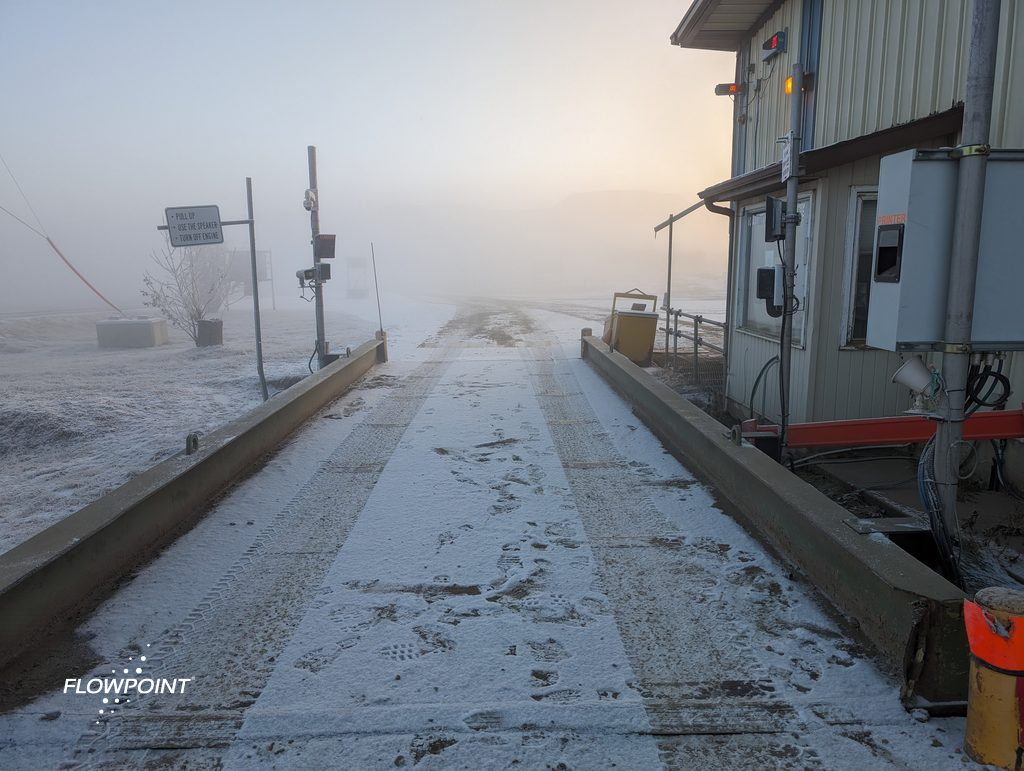
Weighing is one of the most important differences between many landfill and transfer station operations. A landfill management system can integrate with the facility’s scales so that weight information is captured as part of the transaction.
Combining customer identification, load information and scale data can provide operators with a clearer record of what occurred during each visit. For facilities processing large numbers of transactions, reducing repetitive data entry can also help create a more consistent process for both operators and customers.
Different Customers May Require Different Rates
Not everyone arriving at a landfill necessarily pays the same rate. Municipal residents, local commercial customers, participating municipalities, contractors and visitors may be subject to different pricing or disposal rules.
TrashPass allows facilities to establish rate controls for local users and visitors. This helps connect the identified account with the appropriate transaction rules. This is another reason electronic identification matters. RFID does more than open a gate. It can tell the landfill management system which account is involved so that the appropriate rules can be applied to the transaction.
Cameras Add Another Layer of Transaction Information
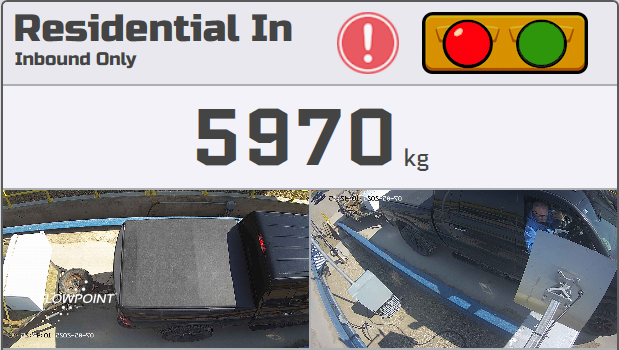
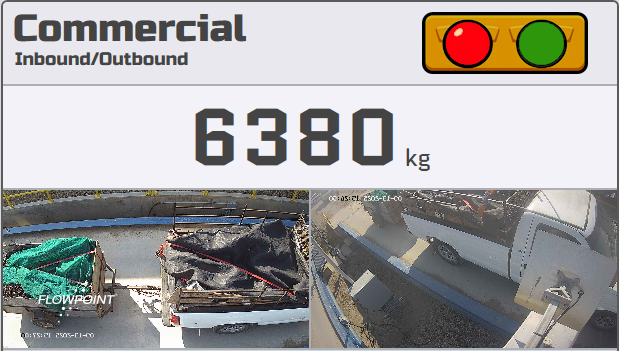
Camera integration can provide additional information about activity at the facility. TrashPass supports integration with both still-image and video cameras at landfill installations. This allows visual information to become another component of the landfill’s operational system rather than relying solely on written transaction records.
When combined with RFID identification, entry and exit records, load information and scale data, camera integration can provide landfill administrators with a more complete record of facility activity.
Traffic Controls Can Be Integrated With the System
Landfill automation can also extend to physical traffic management. TrashPass can integrate with traffic lights, allowing the software and facility equipment to work together as vehicles move through the transaction process.
This type of integration highlights an important difference between simple RFID-based access control and a broader landfill operations system. RFID identifies the customer or vehicle. The software then helps coordinate the information and equipment required to manage the transaction.
Better Data for Landfill Administration
Digitizing landfill transactions also creates more useful operational information. Instead of relying on separate logs or manually compiled records, administrators can review electronically captured activity associated with customer accounts and landfill transactions.
Over time, this can provide greater visibility into facility usage while making it easier to maintain consistent records. Cloud-based administration also allows authorized personnel to manage the system without maintaining an onsite server. Customer account applications, online bill payment and a customer self-service portal can further move administrative processes online.
One System for Residents and Commercial Haulers
Municipal landfills often need to accommodate a wide range of users. TrashPass provides resident and hauler account administration on a single platform. Municipal account integration can also enable communities to link landfill services to broader municipal customer accounts.
The result is a system designed to manage both the physical landfill transaction and the customer account behind it.
Canadian Municipalities Are Already Moving Toward RFID Landfill Management
RFID access control is not simply a theoretical application for municipal waste facilities. Canadian municipalities and waste organizations are already using the technology.
Roseridge Waste Management Services Commission in Alberta has similarly transitioned from traditional paper passes to RFID access cards. Residents obtain their access cards through participating municipal offices and present them when using the transfer station.
This example demonstrates a broader shift in municipal waste management. Access control is becoming part of a connected information system rather than simply a checkpoint at the facility entrance.
From RFID Identification to Connected Landfill Operations
RFID management can make it faster and more consistent to identify landfill customers, but identification is only the beginning. The greater opportunity lies in connecting that identity with the rest of the landfill operation.
TrashPass combines RFID technology with cloud-based account administration and landfill-specific capabilities. It includes vehicle entry and exit logging, load-type selection, weigh-scale integration, rate controls, camera integration and traffic-light control. Instead of treating access control, weighing, customer management, and transaction records as separate processes, municipalities can integrate them into a connected landfill operations system.
For landfills looking to reduce manual processes, improve transaction records or automate more of the customer journey through the facility, RFID can provide the foundation for a much broader modernization of landfill operations.