
From Clipboards to Cloud: Digitizing Water and Wastewater Operations
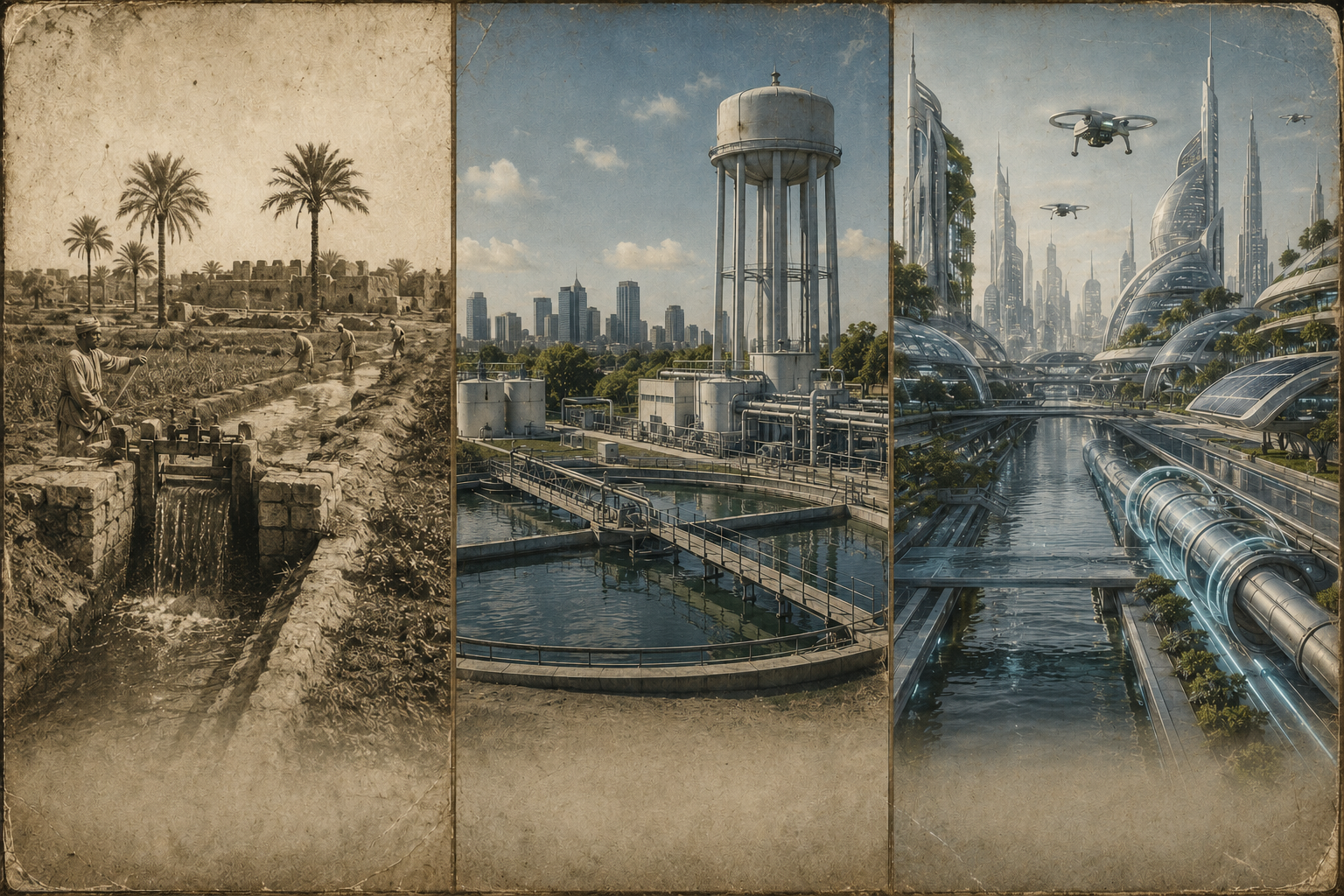
For decades, water and wastewater operations have generally relied on a familiar set of tools: clipboards, logbooks, and manual reporting processes. These methods have worked. Operators have built systems of checks and routines that keep infrastructure running day to day. But as systems become more complex and expectations rise, the limitations of manual processes are increasingly apparent. Across the industry, there is a growing shift toward digitizing water and wastewater operations. Not as a trend, but as a practical response to operational challenges, akin to a revolution, leveraging water management technology for any utility going through a digital transformation.
The Limits of Manual Processes
Data collection, particularly the manual method, introduces friction at every step. Information is recorded in the field, transferred to reports, and often re-entered into other systems. As a result, this creates opportunities for:
- Transcription errors
- Missing data
- Delayed visibility into system performance
By the time issues are identified, they may have already escalated. In smaller systems, these inefficiencies can go unnoticed. But as regulatory requirements increase and staffing resources tighten, they become more difficult to manage.
Real-Time Visibility Changes Operations
One of the most immediate benefits of digitization is access to real-time data. Instead of waiting for daily or weekly reports, operators and managers can see system performance in real time. This enables:
- Faster response to anomalies
- Better understanding of trends
- More informed decision-making
For example, a gradual change in influent characteristics may not be obvious in manual logs. With continuous monitoring, it becomes visible early, allowing for proactive adjustments.
Digitizing Water and Wastewater Operations: Reduces Operator Burden
Digitizing water and wastewater operations is often associated with significantly increased complexity. In practice, it can simplify day-to-day operations. Automated data collection reduces the need for repetitive tasks. Subsequently, digital reporting eliminates duplicate entry. Alerts can be configured to highlight issues without constant manual checks. For operators, this means:
- Less time on paperwork
- More time focused on system performance
- Reduced risk of oversight
In an industry facing labor constraints, these efficiencies are especially important.
Integrating Water Management Technology
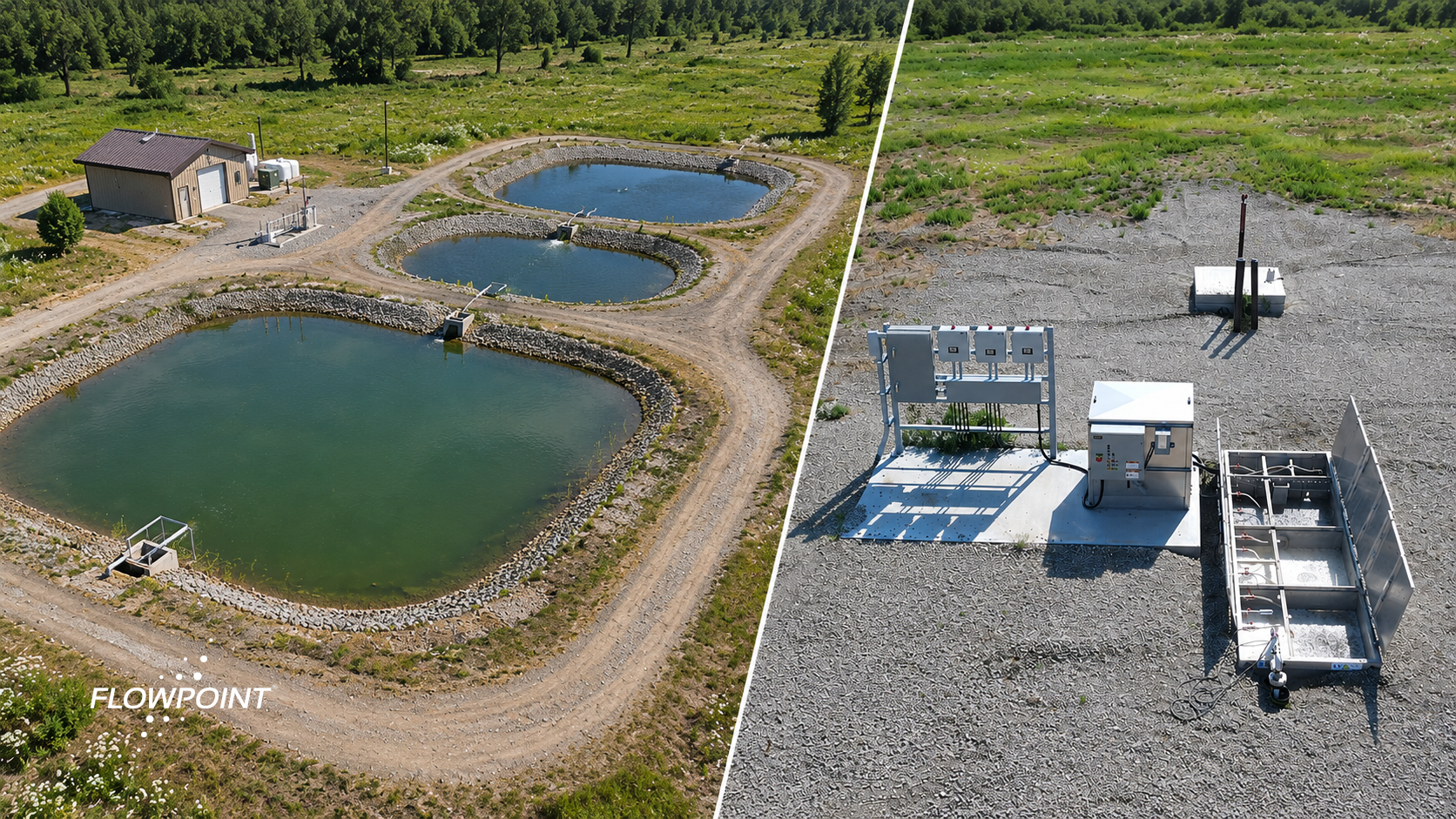
Modern water management technology plays an increasingly important role in helping utilities operate not only more efficiently but also more reliably. Integrated platforms can combine monitoring, automation, analytics, and reporting into a single system, improving visibility across operations.
This allows operators to identify issues earlier, optimize system performance, and make more informed decisions. As infrastructure demands continue to increase, technology is becoming a practical tool for maintaining service levels while reducing operational strain.
Advancing Through Utility Digital Transformation
Utility digital transformation extends beyond individual tools or software platforms. In time, it represents a broader shift in how utilities manage operations, infrastructure, and decision-making. By connecting data, processes, and systems across departments, utilities can improve coordination, increase operational visibility, and respond more effectively to changing conditions.
This approach supports long-term planning while helping organizations adapt to growing regulatory, operational, and infrastructure demands with greater consistency and efficiency.
Digitizing Water and Wastewater Operations: Improves Compliance and Reporting
Regulatory reporting is becoming more detailed and more frequent. Manual processes can meet these requirements, but they require significant effort and introduce risk. Missing or inconsistent data can create compliance challenges. Digital systems provide:
- Centralized data storage
- Automated report generation
- Consistent record-keeping
This not only reduces the administrative burden but also improves confidence in the accuracy of submitted information.
Turning Data Into Insight
Collecting data is only the first step. Correspondingly, the real value comes from using that data to improve operations. With the right tools, utilities can:
- Identify recurring issues
- Optimize process performance
- Plan maintenance more effectively
For example, tracking pump performance over time can reveal early signs of wear. Addressing these issues proactively can prevent failures and extend equipment life.
Integration With Physical Infrastructure
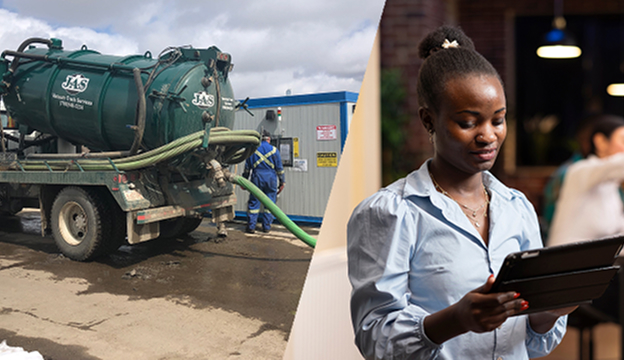
Digitization is most effective when it is integrated into the system itself. Modern water and wastewater solutions are increasingly designed with connectivity in mind. That is, sensors, control systems, and software platforms work together to provide a comprehensive view of operations. This integration allows for:
- Remote monitoring and control
- Automated adjustments based on conditions
- Scalable data management as systems grow
For decentralized or remote applications, this capability is especially valuable.
Overcoming Common Barriers
Despite the benefits, adoption of digital tools can be slow. Common concerns include:
- Implementation complexity
- Training requirements
- Upfront costs
Undoubtedly, these are valid considerations. However, many modern platforms are designed to minimize disruption. Phased implementation allows systems to transition gradually, without requiring a complete overhaul.
Supporting Long-Term Resilience
Digitization is not just about efficiency; in the long run, it is about resilience. As systems face increasing pressure from growth and climate variability balanced against regulatory change, the ability to adapt becomes critical. Access to accurate, timely data supports:
- Better planning
- Faster response to changing conditions
- More sustainable system management
A Practical Step Forward
Transitioning from manual to digital operations does not happen overnight. But incremental steps can deliver immediate benefits. Starting points may include:
- Digitizing reporting processes
- Implementing remote monitoring for critical assets
- Centralizing operational data
Over time, these changes eventually build a foundation for more advanced capabilities.
Moving Beyond Tradition and Start Digitizing Water and Wastewater Operations
The tools that have supported water and wastewater operations for decades are not disappearing overnight. But the demands on these systems are changing. Digitizing water and wastewater operations provides a way to meet those demands without increasing complexity or burden.
By moving from clipboards to cloud-based systems, a utility undergoes a digital transformation that improves visibility, reduces risk, and, consequently, positions it for the future. In an environment where resources are limited and expectations are rising, that shift is becoming less optional and increasingly essential. Looking for the right water management technology is key for everyone in our industry.