
Municipal Water and Wastewater Equipment Purchasing: Is There a Simpler Way?
Municipal water and wastewater projects rarely begin with a simple purchase order. Before equipment reaches a job site, utility teams must often prepare specifications, review budgets, assess suppliers, and secure approval. For many public agencies, municipal water and wastewater equipment purchasing can take considerable time, even when the need is clear. Aging infrastructure, growing demand, and changing operating needs can add further pressure. Meanwhile, purchasing staff must follow local rules and maintain clear records.
These steps protect public funds, but they can also slow progress. Fortunately, cooperative purchasing offers another option. Through existing competitively solicited contracts, eligible organizations can reduce repeat procurement work while maintaining oversight. Flowpoint Environmental Systems now offers this purchasing pathway through The Interlocal Purchasing System (TIPS), helping public entities explore qualifying water and wastewater solutions.
However, cooperative purchasing does not replace every approval or remove every bidding requirement. Each organization must confirm that the process meets its own laws and policies. With that in mind, understanding the available options can help municipalities plan their next project.
Why Municipal Equipment Purchasing Can Be Challenging
Municipal infrastructure projects often involve several departments. Engineering teams define system needs, purchasing staff review contract rules, and finance teams confirm funding. As a result, even a well-planned project can face delays.
Equipment needs also vary widely. One community may need an automated bulk water station, while another must improve septage receiving operations. Larger projects regularly require pumps, controls, treatment equipment, and system integration. Therefore, buyers need a purchasing process that supports both technical requirements and public accountability.
A Different Approach to Municipal Water and Wastewater Equipment Purchasing
Traditional procurement often starts with a new request for proposals or competitive bid. However, some public entities can also use contracts that purchasing cooperatives have already solicited. These contracts offer an established purchasing framework. Consequently, eligible buyers can avoid repeating certain procurement tasks, depending on local rules.
One example is The Interlocal Purchasing System’s official purchasing guide. TIPS explains how members can review awarded vendors, request quotes, and complete purchases through its contract process. For municipal water and wastewater equipment purchasing departments, this approach offers another option to consider before launching a new solicitation.
What Does This Mean for Water and Wastewater Projects?
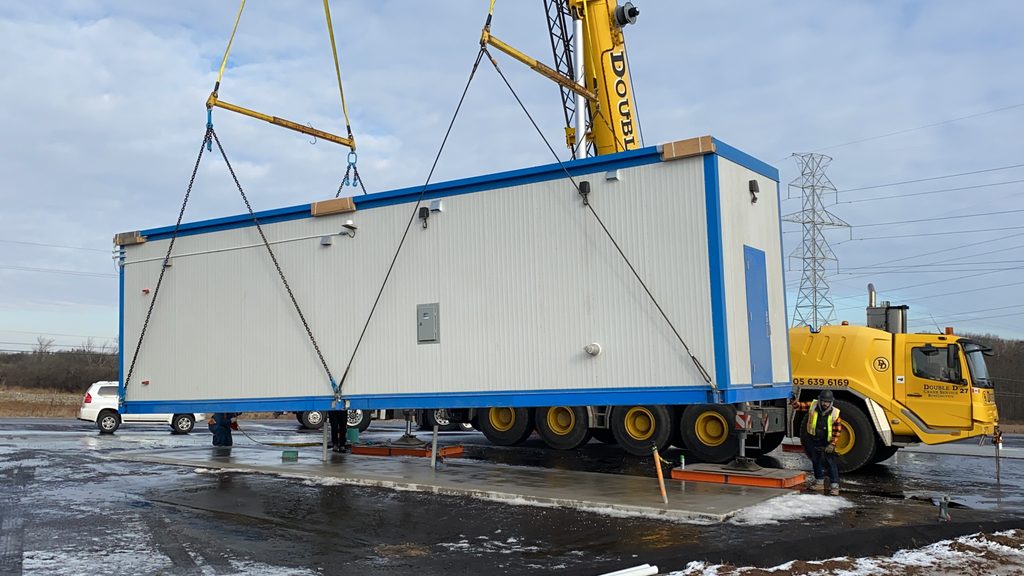
Flowpoint’s TIPS Contract #260903 provides a potential purchasing pathway for qualifying equipment and integrated systems. Rather than changing how a system operates, the contract changes how eligible buyers acquire it.
Automated Bulk Water Dispensing
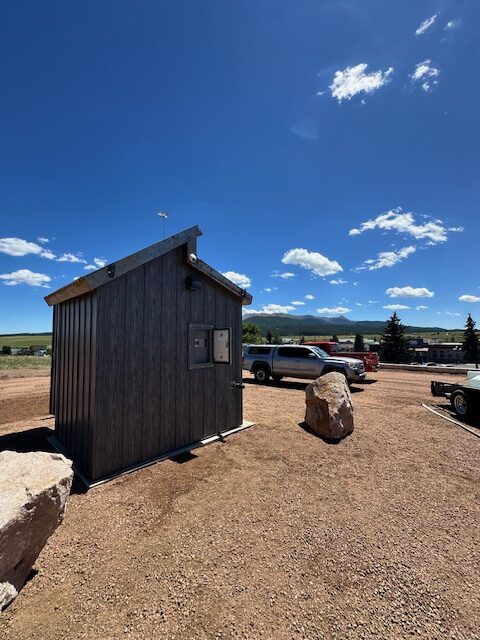
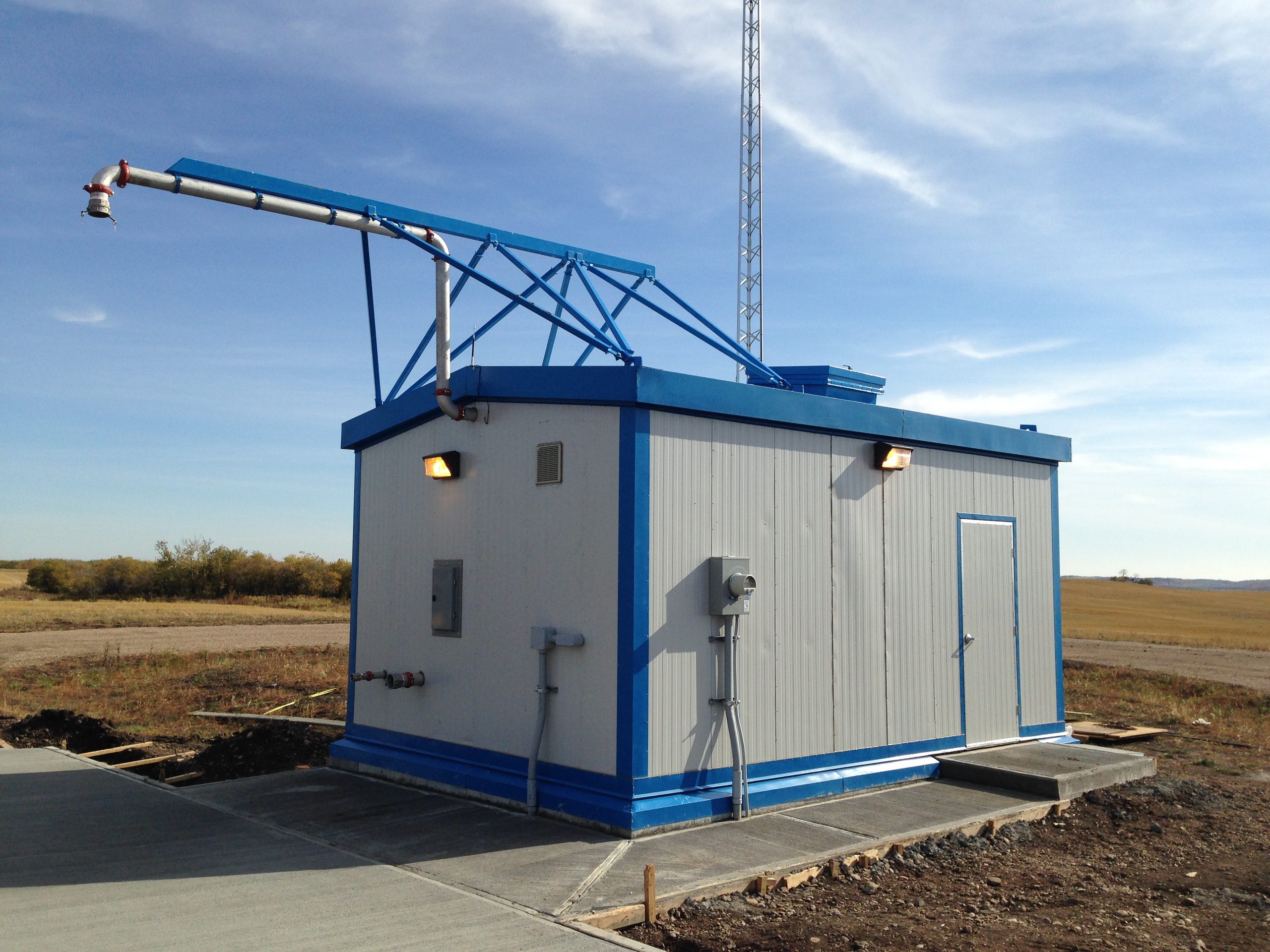
Municipalities need accurate metering, controlled access, and reliable records for bulk water sales. Flowpoint’s automated bulk water management solutions support these needs through integrated equipment and controls. For example, a utility replacing an aging station can explore its technical requirements alongside available purchasing options.
Automated Septage Receiving
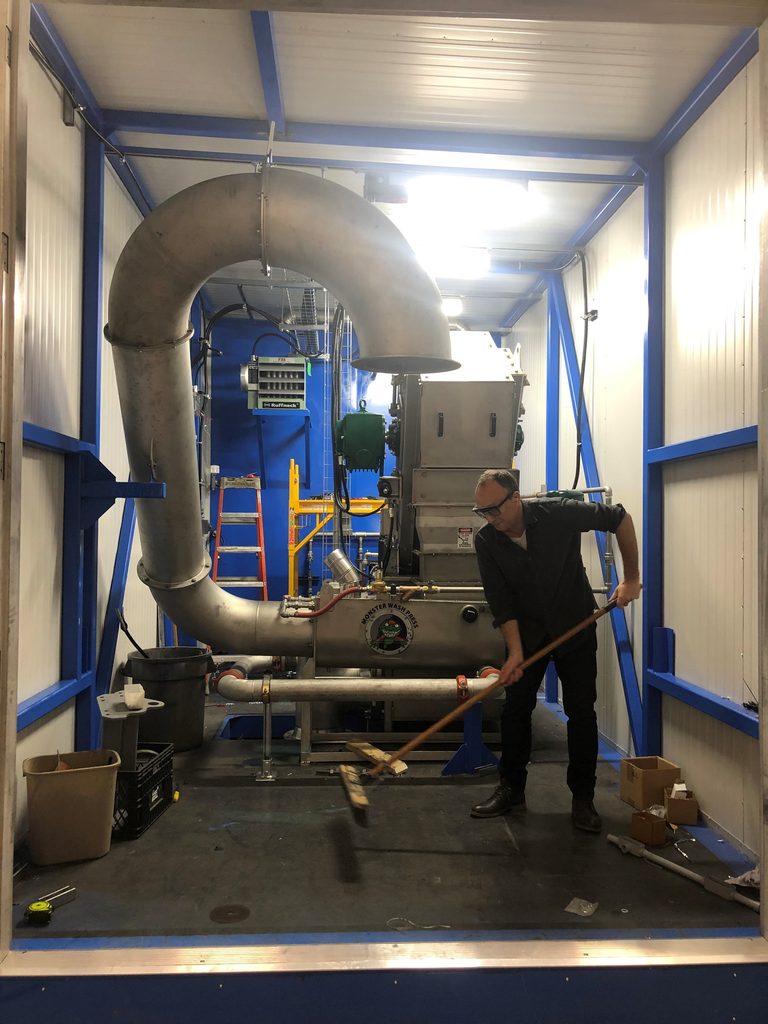
Wastewater facilities must manage hauled waste, track incoming loads, and maintain clear transaction records. Flowpoint’s automated septage receiving solutions help facilities improve oversight and reduce manual tasks. Likewise, eligible buyers can review contract options when planning a new station or upgrading existing equipment.
Integrated Water and Wastewater Systems
Some projects require more than individual components. Pumps, controls, piping, and treatment equipment must work together to meet site needs. Flowpoint’s engineered-to-order solutions bring these elements together. In addition, the TIPS contract provides a purchasing route for qualifying system packages.
How Can Municipalities Evaluate Their Purchasing Options?
A good purchasing decision begins with the project, not the contract. First, define the operating problem and identify the equipment needed to solve it. Next, confirm funding, technical requirements, and purchasing authority. Then compare available procurement methods, including traditional bidding and cooperative contracts.
Finally, review the supplier’s awarded contract and request a project-specific quote. This helps ensure that the proposed equipment, contract scope, and purchasing process align. Although cooperative purchasing is known to save time, it does not guarantee a faster project. Engineering reviews, permits, funding approvals, and installation schedules remain key factors in a project’s final delivery.
FAQs – Municipal Water and Wastewater Equipment Purchasing
Can municipalities buy complete water and wastewater systems through an existing contract?
Eligible buyers can explore integrated equipment packages through an awarded purchasing contract. However, the proposed system must fall within the contract’s scope. The municipality must also confirm its purchasing authority.
Will municipalities be able to purchase automated bulk water stations this way?
Yes, qualifying automated dispensing equipment is available through Flowpoint’s TIPS contract. First, buyers should define their station requirements. Next, they can review contract coverage and request a suitable quote.
What about automated septage receiving equipment?
Eligible wastewater facilities can explore purchasing options for qualifying receiving systems. Flowpoint can review load-tracking, access-control, and reporting needs. The buyer must then confirm that the proposed purchase meets its local rules.
Does cooperative purchasing eliminate the need for an RFP?
An existing contract could reduce the need for a separate solicitation. However, local laws, purchasing limits, and project requirements determine whether that approach is appropriate.
Can organizations outside Texas use TIPS?
Yes. TIPS serves eligible public entities across the United States. Nevertheless, each organization must confirm that its state and local rules permit the proposed purchase.
Are consulting engineers permitted to participate?
Yes. Engineers can develop specifications, assess equipment, and advise municipal clients. However, the public entity remains responsible for purchasing decisions and required approvals.
Does Flowpoint software support the listed equipment?
Yes. Applicable systems can use software for account management, billing, transaction tracking, and reporting. Learn more about Flowpoint Cloud Software and its operating features.
Can existing facilities purchase upgrades?
Some projects need complete replacement systems, while others require updated controls or equipment. Therefore, Flowpoint must review each proposal to confirm contract coverage.
How does a municipality request a quote?
Start by sharing the project’s technical needs with Flowpoint. Our team can review the proposed equipment and applicable contract terms. The municipal water and wastewater equipment purchasing department then completes its approvals and follows the required TIPS process.
Explore a Simpler Purchasing Path
Municipal water and wastewater equipment purchasing will always require careful planning and public oversight. However, an existing cooperative contract will likely help reduce duplicate work and simplify certain purchasing steps. Flowpoint’s TIPS award gives eligible organizations another option when evaluating qualifying infrastructure. To learn more, visit our TIPS Cooperative Purchasing resource page for contract details, purchasing steps, and available solutions.
Explore TIPS Contract #260903 and discover whether cooperative purchasing could support your next project.
All purchases remain subject to contract scope, applicable procurement laws, local purchasing policies, and required approvals.