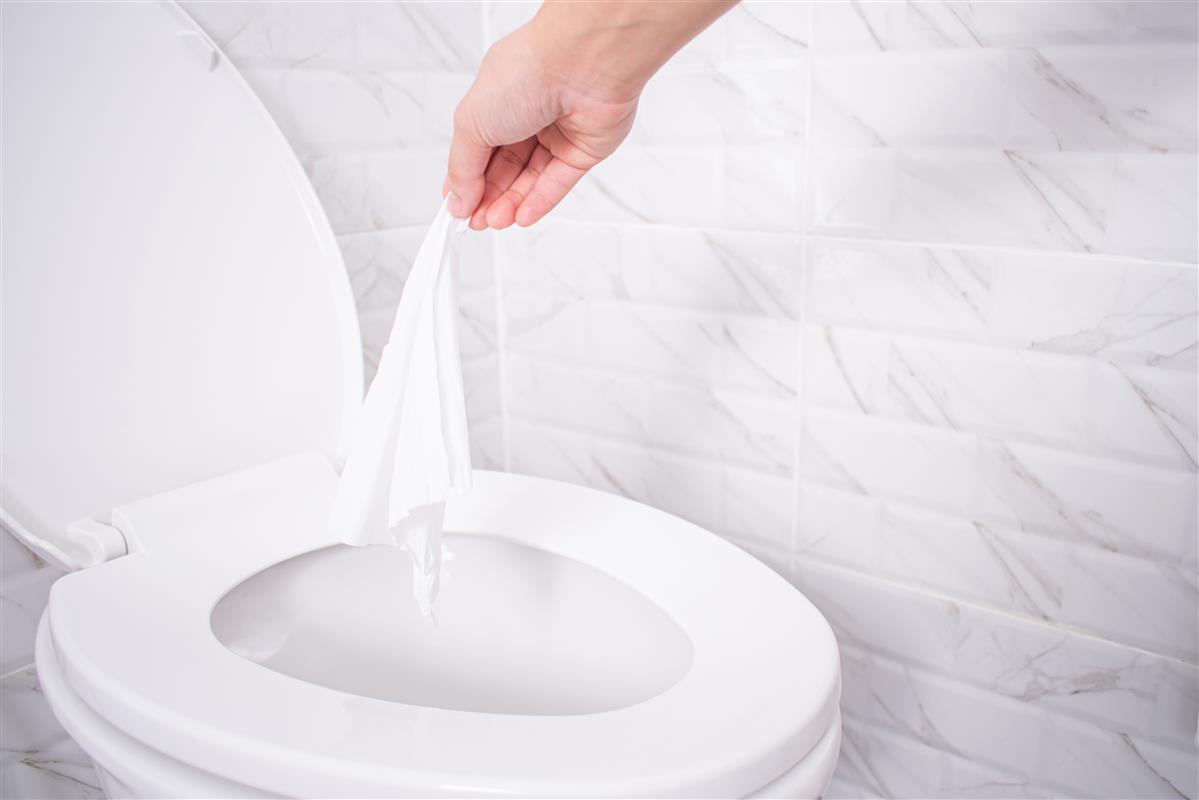
According to a recent consumer report and several investigations of clogged sewer lines, we get conflicting information regarding flushable wipes. Marketers’ claims that the wipes easily break down after flushing like toilet paper, but ‘flushable’ wipes are actually very durable. Therefore, they do not actually break down and disintegrate as advertised.
There is even a class action lawsuit pending against Target. With claims that the wipes sold as ‘flushable’ by the company, are a danger to public health.
Even so, consumers still don’t seem to realize that “flushable” wipes don’t work as advertised, and these wipes keep clogging sewer and septic systems.
So how exactly do these impact the sewer system?
To start, they don’t break down like toilet paper—even though companies advertise that they do. Instead, they stay intact, clump together, and can quickly cause stubborn plumbing and sewer blockages.
The wipes often contain alcohol, which sterilizes them before flushing—but once in the system, that alcohol kills the bacteria that break down solid waste in sewers and septic tanks.
Additionally, wipes cling to fat in pipes, and then that fat snags even more wipes. As a result, the buildup accelerates into massive fatbergs that eventually choke off entire lines and trigger costly backups.
London officials recently uncovered a disgusting massive fatberg—and “flushable” wipes contributed heavily to its formation. As quoted “The wipes are frequently labeled as “disposable” but are turning out not to be.”
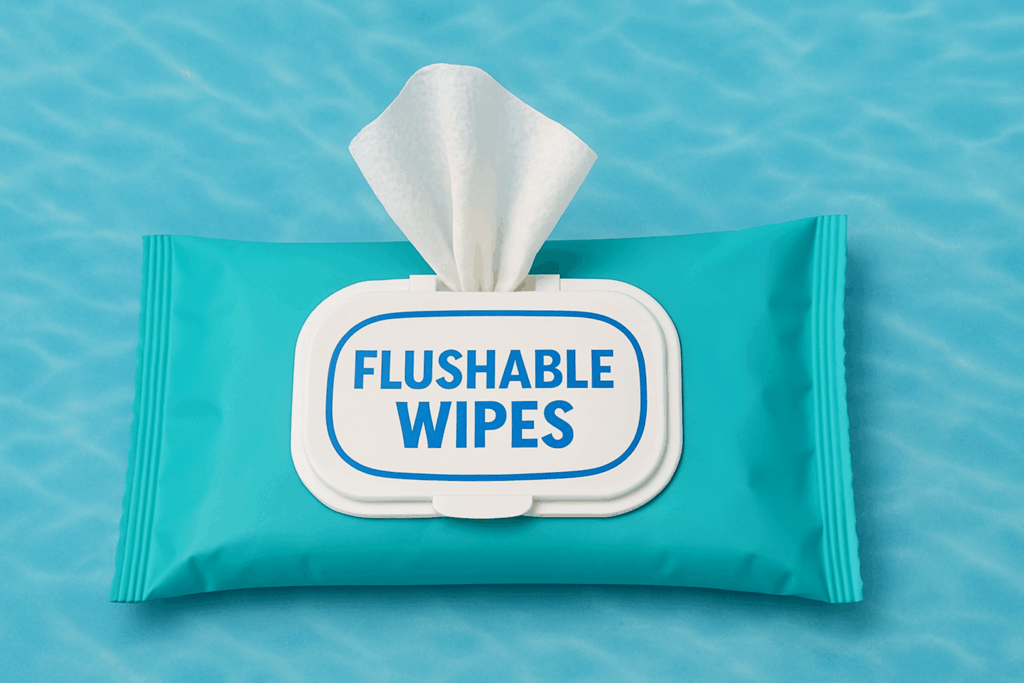
Hopefully, the evidence clarifies the importance of not ‘flushable wipes’
“In their current form, ‘flushable’ wipes damage sewer and septic systems, and we should handle them accordingly.”
However, say you still have “flushable” wipes at home, don’t flush them—pitch them in the trash like regular wipes. Help prevent further damage to our sewers by not flushing them.
For more information, please get in call Flowpoint today.