Guidelines When Considering a Water Reuse Station
Water agencies across North America increasingly rely on water reclamation as a critical component of their overall water management strategies. A dedicated water reuse station becomes a valuable asset in this scenario, especially when you use an automated bulk water solution.
Reclaimed water helps stretch limited potable supplies. Further supporting long-term sustainability goals and providing a reliable alternative source for non-potable uses. Such as irrigation, dust control, industrial processes, and street cleaning.
Its importance is especially pronounced in the arid regions of the southwestern United States and throughout California. Where recurring drought conditions, population growth, and climate variability place constant pressure on traditional water sources. In these areas, using a water reuse station is crucial to maximize available resources during prolonged dry periods.
Water reclamation programs allow agencies to maintain essential services even during water restrictions. While also supporting environmental stewardship and regulatory compliance. By putting treated wastewater back to productive use, utilities can reduce discharge volumes, protect natural waterways, and improve overall system resilience.
By providing controlled and convenient access, these water reclamation stations enable municipalities, contractors, and authorized users to obtain water efficiently. At the same time, it maintains oversight, accountability, and operational control. Utilizing a water reuse station enhances these capabilities.
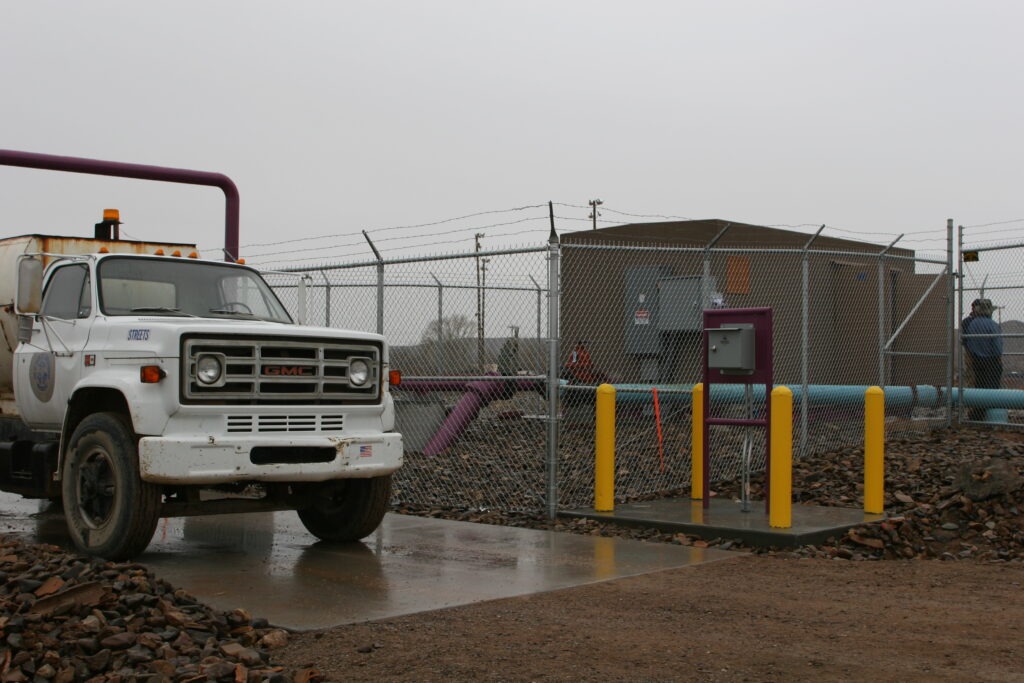
Depending on where you are, you likely have access to guidelines from the agency responsible for the use of reclaimed water in your community:
- US EPA:
- Canada:
Best Practices for a Water Reuse Station
For the purpose of making the water reclamation process easier, we’ve come up with this list of best practices:
- Estimates suggest water reclamation supports uses such as:
- Agriculture irrigation activities – 46% of the time
- Landscape irrigation activities – 21% of the time
- Groundwater recharge initiatives – 9% of the time
- There are many state and Federal regulations about reclaimed water. For state regulations, contact your local district.
- For federal regulations, refer to the EPA website.
- Given that reclaimed water will periodically be monitored by the state you live in, on a quarterly, monthly, weekly, daily, or continuous basis. For that reason, deploying a system with backend software that can provide this is key.
- The frequency of monitoring will depend on the state you live in. For example, adjustments at a water reuse station may be needed depending on drought severity and the reclaimed water utilization method.
- Even though treatment typically makes reclaimed water safe and approved for landscape irrigation—with no disease concerns—it usually contains more salt than non-reclaimed water.
- Automate it like a typical potable bulk water program, so you don’t create any unnecessary work for yourself.
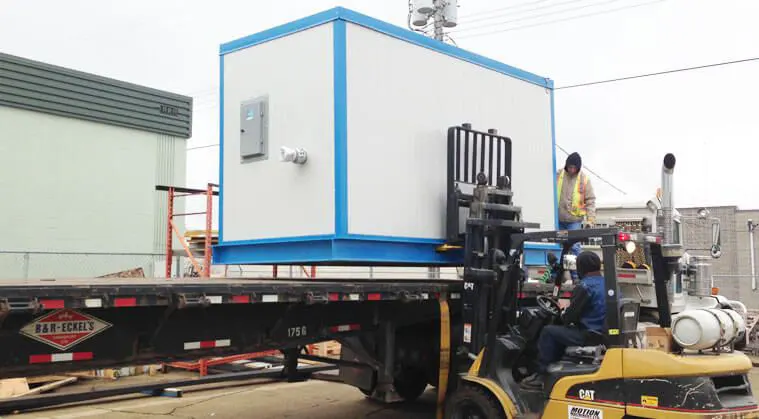
Build it like Austin: Access control, compliance, and capacity
Want to see what success with water reuse really looks like in practice? One standout example is Austin, Texas, where the city has made reclaimed water a core part of its long-term water management strategy, using stations to dispense repurposed water.
Austin’s reclaimed water program now includes more than 50 miles of dedicated “purple pipe” infrastructure.
Such a program delivers treated, non-potable water for irrigation, cooling, construction, and other approved uses. By expanding this network, the city saves millions of gallons of potable water every year. Reducing strain on drinking water supplies while increasing resilience during drought conditions.
Through careful planning, secure access controls, and clear accountability, Austin has demonstrated how reclaimed water can effectively address water scarcity challenges. The automated bulk reuse water program supports municipal operations, commercial users, and construction activities. The program demonstrates the safe and efficient deployment of reclaimed water. Ultimately, at scale as well, when paired with the right infrastructure and management approach.
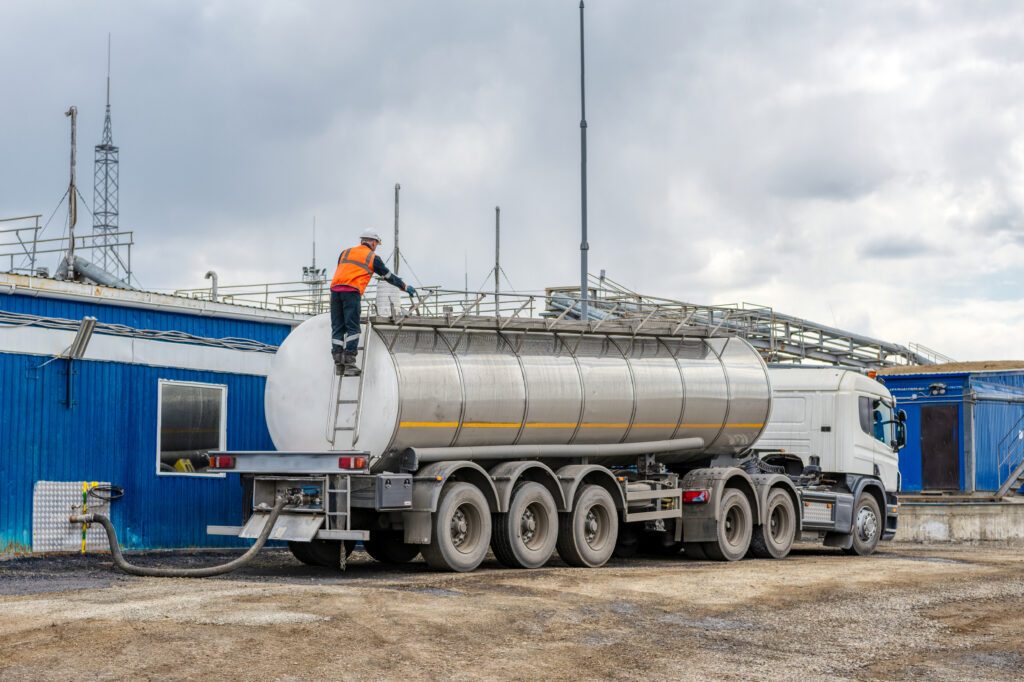
Understanding Flowpoint’s Automated Bulk Water Dispensing Station
The Flowpoint Bulk Water Station is a cutting-edge solution. Fully developed to modernize and improve the way municipalities manage bulk-hauled water distribution. Entirely envisioned, designed, and built with municipal operations in mind. The system streamlines workflows, reduces manual oversight, and supports more efficient water access for authorized users.
These bulk water stations support water reuse applications by combining durable, reliable dispensing hardware with intelligent control systems. Delivering fast, consistent fills every time. At the same time, they provide improved visibility, usage tracking, and accountability across your bulk water program. Helping utilities maintain control, protect resources, and operate with confidence.
Discover how Flowpoint sets itself apart in a crowded marketplace
Our clients are at the center of everything we do. We place a strong emphasis on delivering responsive, knowledgeable, and dependable customer service at every stage, from initial planning and system design to installation, training, and long-term support. We work closely with each customer to understand their operational goals and tailor solutions that meet real-world needs.
Flowpoint designs automated bulk water stations and wastewater (septage) receiving systems to lead the industry in reliability, security, and ease of use. Our solutions help municipalities and utilities streamline operations. Reducing administrative overhead and maintaining control over water access and usage. All while supporting regulatory compliance and sustainability initiatives.
Whether you are exploring water reuse stations or upgrading existing infrastructure, Flowpoint can help you identify the right approach for your organization. Contact us today to learn more about what we can do for you and how our systems can support your water management and reuse objectives.