
Water Theft Is a Symptom: How a Curbside Water Dispensing System Protects Municipal Water Infrastructure
Recent water theft cases highlight a growing challenge for utilities across North America. This evidently reinforces the need for a secure curbside water dispensing system that ensures authorized access to municipal water. Unauthorized withdrawals from fire hydrants are not simply a matter of unpaid water; they pose operational, public safety, and infrastructure concerns and contribute to non-revenue water. As municipalities look to improve bulk water control, many are replacing traditional waterman’s tap access with automated, metered bulk water dispensing systems. This allows them to explicitly provide secure, accountable, and 24/7 access for legitimate users.
We know that utilities invest significant resources in treating and delivering drinking water before it ever reaches a hydrant. This makes every unauthorized withdrawal a preventable loss of both revenue and oversight.
Water Theft Matters, period
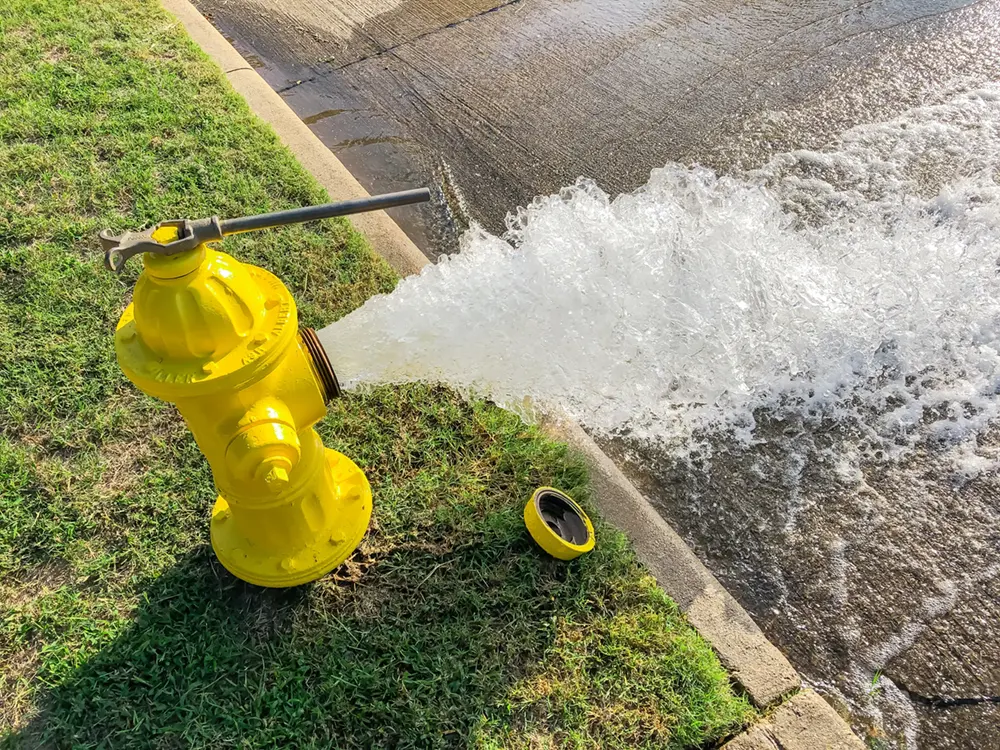
Although the value of stolen water may appear small relative to total system demand, the broader impacts are much larger. Unauthorized hydrant use can damage valves, increase maintenance costs, and introduce contaminant risks if proper backflow protection is not used. This report explains that the primary concern is not only the quantity of water stolen but also the potential for system contamination and infrastructure damage. It further recommends additional bulk water filling stations as part of the solution.
Water Theft is Non-Revenue Water
Water theft is one component of non-revenue water (NRW), together with leaks, metering inaccuracies, and billing errors. Utilities worldwide are investing in better metering, analytics, and digital monitoring to recover these losses. The WaterWorld Ask the Expert feature discusses how modern utilities increasingly rely on advanced metering and AI-driven analytics. Therefore, you should consider monitoring bulk water supply points to understand better and reduce NRW.
Why Contractors Use Hydrants
Most legitimate contractors require fast access to treated water for construction, landscaping, sewer maintenance, pool filling, dust suppression, and municipal work. When legal access is inconvenient, limited, or only available during business hours, unauthorized hydrant use becomes more common. Providing an easier legal alternative helps remove that incentive.
The Better Alternative: A Curbside Water Dispensing System
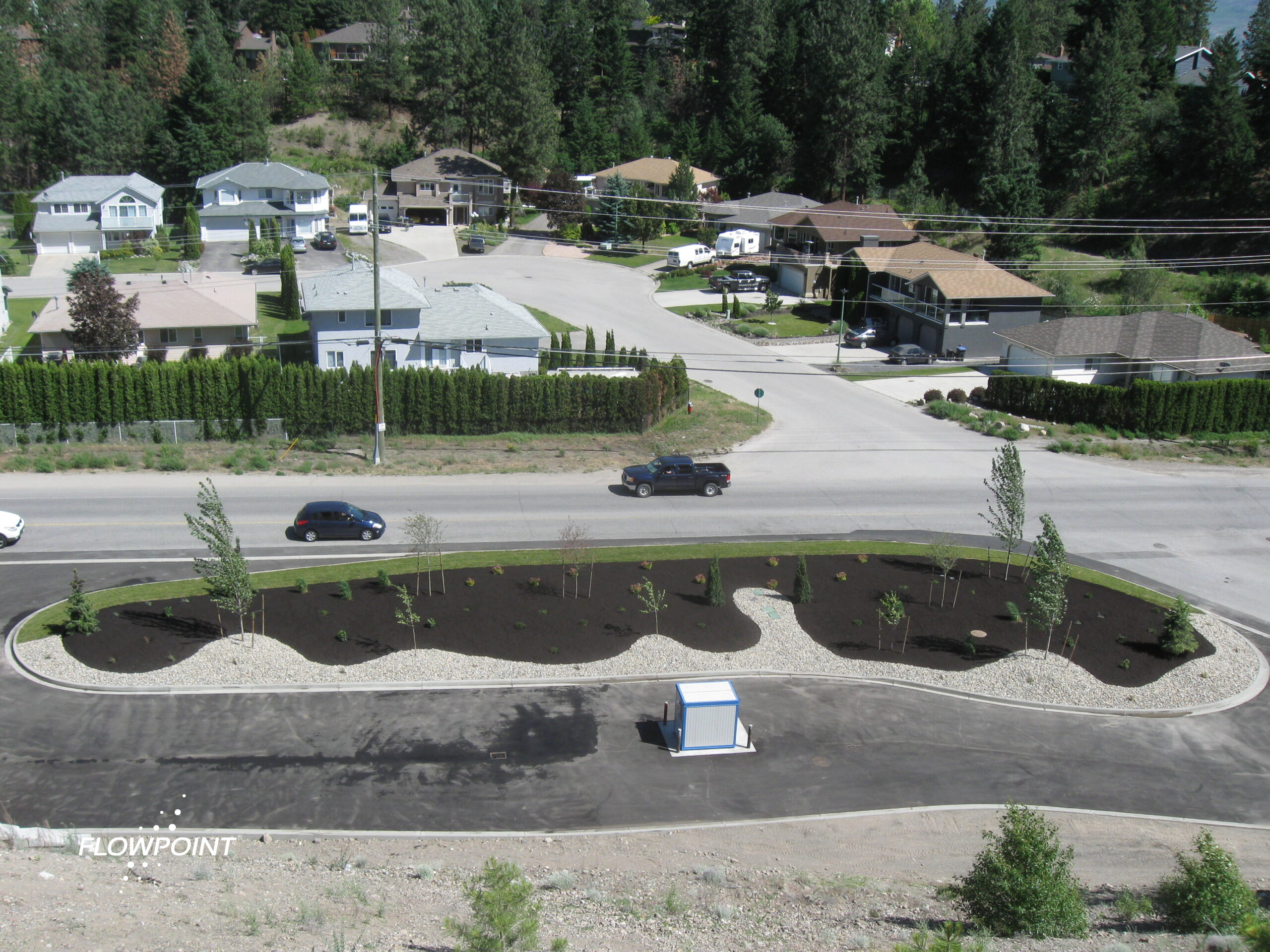
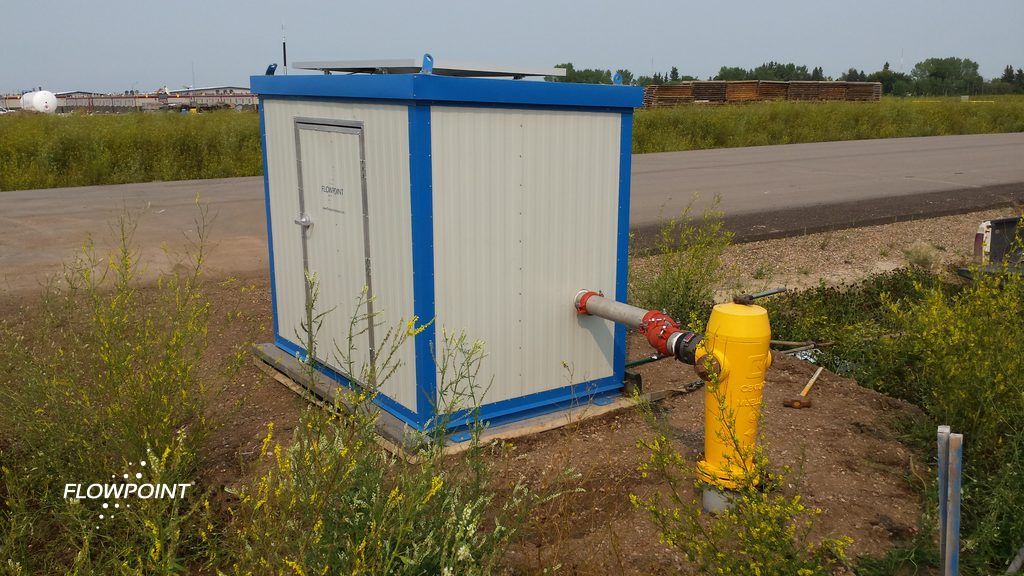
A curbside water dispensing system provides users with secure, automated access to municipal water 24 hours a day. Instead of opening hydrants manually, authorized users authenticate themselves, dispense only the volume they require, and have every transaction recorded. This creates accountability while making legitimate water access easier than illegal hydrant connections.
Bulk Water Control Through Automation
Modern curbside water dispensing systems combine both user authentication and automated billing. This results in accurate metering, remote monitoring, transaction logs, alarms, and detailed reporting in a single platform. These automated capabilities improve bulk water control by ensuring every transaction is securely authenticated, accurately measured, and fully traceable. Altogether, this provides for greater operational visibility, reduced administrative effort, improved billing accuracy, and stronger accountability for both utilities and authorized bulk water users.
Protecting Infrastructure
Replacing unauthorized hydrant use with dedicated dispensing stations protects critical municipal infrastructure, reduces unnecessary wear on fire hydrants, and minimizes the risk of improper operation. Hydrants are designed for emergency response and system maintenance, not routine bulk water loading. Therefore, frequent unauthorized use can lead to increased maintenance costs and reduced reliability.
A curbside water dispensing system provides secure, metered access via equipment specifically designed for bulk water dispensing. By sending authorized users to dedicated stations, utilities can improve bulk water control, extend the lifespan of their hydrant network, and better protect their water distribution infrastructure.
Understanding the Terminology
Different municipalities and suppliers use different lingo. In practice, the following terms generally describe the same concept:
- Curbside water dispensing system
- Bulk water dispensing system
- Waterman’s tap
Each refers to a controlled method of dispensing treated municipal water through authorized equipment rather than directly from public hydrants.

Supporting Smart Utility Management
Digital transformation is fundamentally changing how utilities monitor, manage, and protect their water distribution systems. Utilities are moving away from relying on manual meter reads, paper permits, and reactive maintenance. Most are increasingly integrating advanced metering infrastructure (AMI), cloud-based analytics, and intelligent monitoring into their daily operations. As noted in WaterWorld’s Bridging the Gap: Combating Non-Revenue Water with Today’s Technology, modern metering systems provide continuous, high-resolution data that can detect anomalies such as reverse flow, meter tampering, and abnormal consumption patterns in real time. This level of visibility enables utilities to identify potential losses before they become costly problems. It also improves operational efficiency and supports more informed decision-making across the entire distribution network.
These same digital capabilities extend to waterman’s taps via bulk water control. A curbside water dispensing system provides secure, automated, and fully auditable access to treated municipal water. Every transaction can be authenticated, accurately metered, automatically billed, and recorded, giving utilities complete insight into bulk water sales. In tandem, it’s helping reduce non-revenue water associated with unauthorized use. This integrated approach aligns with recommendations to address thousands of hydrants for illegal connections. By incorporating bulk water dispensing into broader AMI and asset management strategies, you improve accountability, protect critical infrastructure, and create a more resilient and data-driven water distribution system.

Conclusion: Curbside Water Dispensing System
Municipalities cannot eliminate water theft through enforcement alone. While education, inspections, and penalties all have a role to play, they do little to address the underlying challenge. This is because legitimate users still require reliable access to treated water for construction, landscaping, maintenance, and other essential services. The most effective long-term strategy is to make authorized access easier than unauthorized access. The easiest way is to replace manual hydrant connections with secure, purpose-built dispensing solutions. This provides easier access to their water network.
Enter the curbside water dispensing system. It achieves this by combining secure user authentication, accurate metering, automated billing, and comprehensive transaction reporting into a single solution. Beyond reducing unauthorized hydrant use, these systems strengthen bulk water control, improve operational visibility, and help utilities avoid non-revenue water. As municipalities continue investing in smarter infrastructure and digital utility management, secure bulk water dispensing is becoming more than an operational convenience—it’s an essential component of protecting public assets, improving accountability, and delivering sustainable water services for the future.

Water Theft FAQs
What is a curbside water dispensing system?
A curbside water dispensing system is a secure, automated station that provides authorized users with controlled access to municipal bulk water. Each transaction is metered and recorded, allowing utilities to improve accountability, simplify billing, and provide reliable access to treated water without relying on public fire hydrants.
How does it reduce water theft?
A curbside water dispensing system reduces water theft by giving contractors and other approved users a secure, metered alternative to unauthorized hydrant connections. Every withdrawal is authenticated, measured, and recorded, making it easier for utilities to monitor water usage and recover the cost of bulk water supplied.
Is a waterman’s tap the same thing?
In many municipalities, a waterman’s tap refers to the same type of controlled bulk water access as a curbside water dispensing system. While terminology varies by region and utility, both provide authorized users with a safe, accountable way to obtain treated municipal water.
How does it reduce non-revenue water?
A curbside water dispensing system helps reduce non-revenue water by ensuring bulk water withdrawals are accurately metered, tracked, and billed. By replacing unauthorized hydrant use with controlled dispensing, utilities improve bulk water control, reduce apparent water losses, and gain better visibility into system usage.