

Why Accurate Bulk Water Withdrawal Metering Matters for Water Loss Control
Every gallon of treated water has value. Therefore, utilities need to know where that water goes. Some water reaches homes and businesses through traditional service connections. Other water leaves the system through bulk water withdrawal points. Contractors, water haulers, municipal crews, and other authorized users may all need bulk water. However, those withdrawals can create an accounting challenge. Without accurate metering, utilities may not know exactly how much water was used. That uncertainty matters for water loss control. Effective programs depend on accurate data, reliable measurement, and a clear understanding of system consumption.
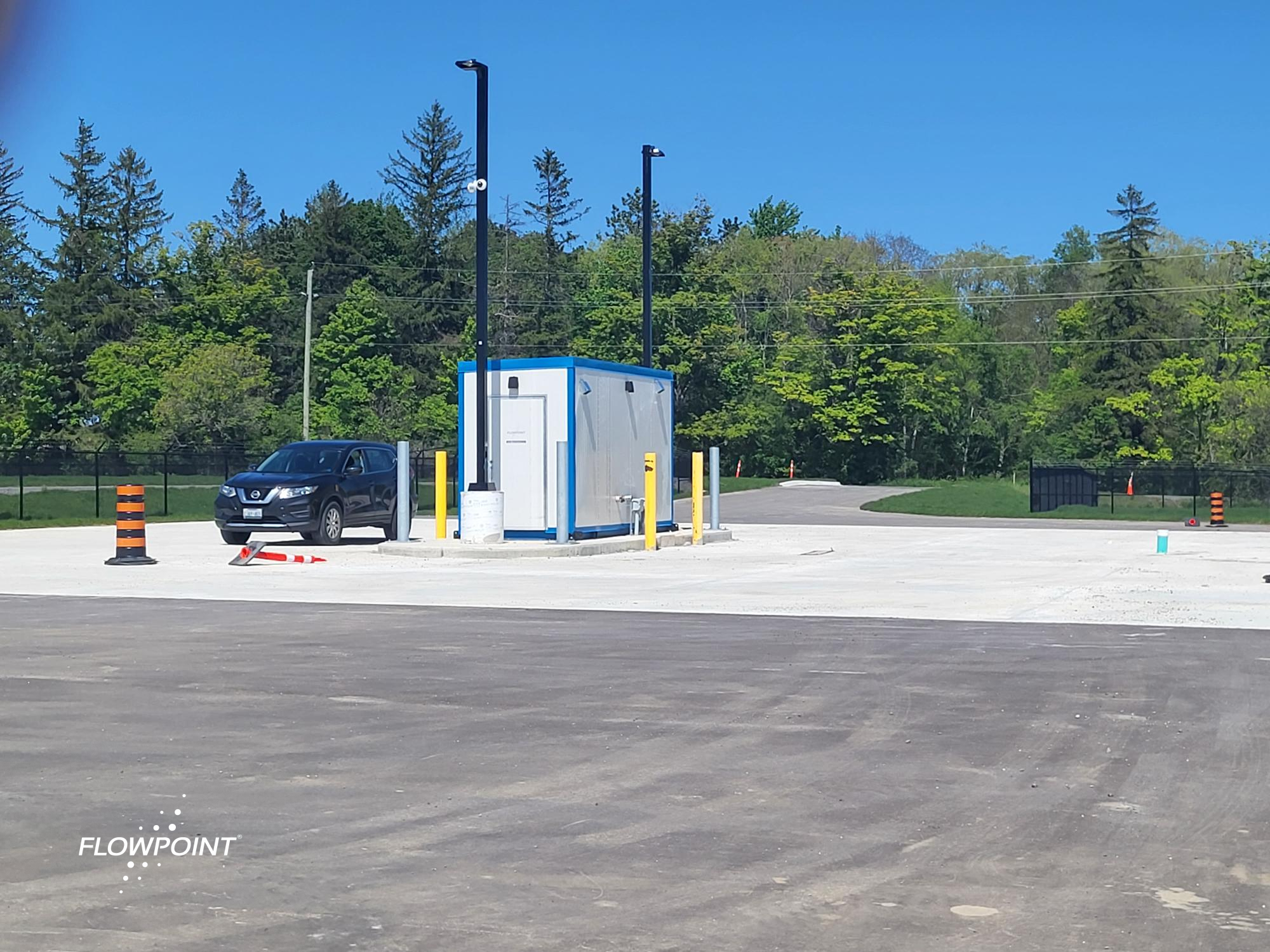
Bulk water dispensing stations can help provide that information. They give utilities a controlled method for measuring, tracking, and managing authorized bulk water withdrawals.

Water Loss Is About More Than Leaks
Physical leakage is often the first concern when utilities discuss water loss. Aging infrastructure can certainly lose significant amounts of water. Main breaks, service-line leaks, and other failures all contribute to real water losses. However, they are only part of the picture. The American Water Works Association (AWWA) distinguishes between real losses and apparent losses. That distinction is important for utility managers.
Real losses involve water physically escaping from the distribution system. In contrast, apparent losses involve water that is consumed but not properly measured or billed. Therefore, effective water loss control must consider both categories. A utility may have an aggressive leak detection program and still have unexplained water consumption. Poor measurement can make it harder to identify the source.
For example, a bulk water withdrawal may be authorized but poorly documented. In that situation, the water itself is not necessarily lost. Instead, the utility may lack accurate information about its use. Consequently, better measurement can improve the overall water balance.
Why Bulk Water Withdrawal Data Matters
Many utilities provide bulk water for legitimate community and commercial needs. However, the methods used to distribute that water can vary considerably. Some utilities allow approved users to withdraw water from designated hydrants. Others use manual filling locations or staff-operated facilities. In some cases, users report the amount they believe they took. Alternatively, utilities may estimate consumption based on tanker capacity. All of this contributes to the need to control water loss.
Those methods can create inaccuracies. Consider a contractor using a 3,000-gallon tanker. The contractor may not completely fill the tank during every visit. However, the utility might record each withdrawal as 3,000 gallons. The opposite problem can also occur. A larger volume might be withdrawn than the utility records. Over time, those differences can add up. The challenge becomes greater when many users access bulk water. Municipal departments may also use significant volumes throughout the year.
Street cleaning, sewer flushing, landscaping, construction, and emergency operations can all require water. Therefore, reliable bulk water withdrawal records become increasingly important. A metered bulk water station provides actual withdrawal data. As a result, utilities can reduce their dependence on estimates.
Better Data Supports Better Water Audits
Water audits help utilities understand how water moves through their systems. However, an audit is only as reliable as its data. Accurate production numbers are important. Likewise, utilities need reliable information about authorized consumption. AWWA provides resources that help utilities evaluate water losses and improve water accountability. Its M36 manual addresses water audits and loss control programs.
Additionally, AWWA provides Free Water Audit Software for utility water auditing. These resources reinforce the importance of accurate system data. Reliable bulk water withdrawal records can contribute to that data quality. An automated dispensing station measures the water withdrawn during each transaction. Furthermore, the system can associate usage with individual accounts or authorized users.
That creates a clearer record of consumption. Utility managers can then incorporate more reliable figures into their water accounting processes. Better records can also help explain unusual changes in demand. For example, construction activity may increase bulk water consumption during certain months. Without reliable records, that increase may appear unexplained. With transaction data, however, staff can identify the reason more quickly.
Consequently, accurate bulk water measurement can support broader water loss control efforts.
Accurate Metering Protect Revenue
Water accountability also has a financial component. Treated water costs money to produce, store, pump, and distribute. Therefore, authorized bulk users should be billed according to the utility’s established policies. Manual processes can make accurate billing difficult. Paper tickets can be lost, while estimates may not reflect actual consumption. Automated metering provides a stronger foundation for billing. Each bulk water withdrawal creates a record of the volume dispensed.
As a result, utilities can charge users based on measured consumption. This approach can also improve consistency among customers. Better records may reduce administrative work as well. Staff can spend less time reviewing handwritten logs or reconciling questionable transactions. Meanwhile, customers receive clearer information about their water usage. The financial impact can become meaningful over time. Small measurement differences can become substantial when multiplied across hundreds of transactions.
Therefore, accurate bulk water metering can support both revenue protection and water loss control.

From an Uncontrolled Hydrant to a Managed Asset
AWWA does not require utilities to install automated bulk water dispensing stations. However, its guidance emphasizes accurate measurement, auditing, and accountability. Those principles are highly relevant to bulk water withdrawal management. Utilities need to understand significant withdrawals from their distribution systems. Moreover, they need dependable records showing where that water went.
A bulk water dispensing station can provide that control. Authorized users receive convenient access while the utility maintains oversight. Each withdrawal becomes a measurable transaction instead of an estimate. Consequently, the utility gains better visibility into an important category of consumption.That visibility can also support planning. Managers can identify usage patterns, seasonal demand, and high-volume customers.
In addition, reliable records can help staff investigate unusual changes in the water balance.
Measurement Is the Foundation to Water Loss Control
Effective water loss control starts with understanding where water goes. Leak detection remains an essential part of that effort. However, utilities should also examine how they measure authorized consumption. Bulk water withdrawal can represent a meaningful volume for many systems. Therefore, those withdrawals should not become an accounting blind spot.
How to choose a bulk water system?
Accurate metering turns uncertainty into useful data. Automated records can improve accountability, billing accuracy, and operational visibility. Most importantly, utilities gain a clearer picture of their overall water balance. When utilities measure significant withdrawals accurately, they can make better decisions. Better information supports better auditing, stronger accountability, and more effective water loss control.

