
Emergency Bulk-Water Loading: Lessons from Calgary and Grand Canyon Water Crises
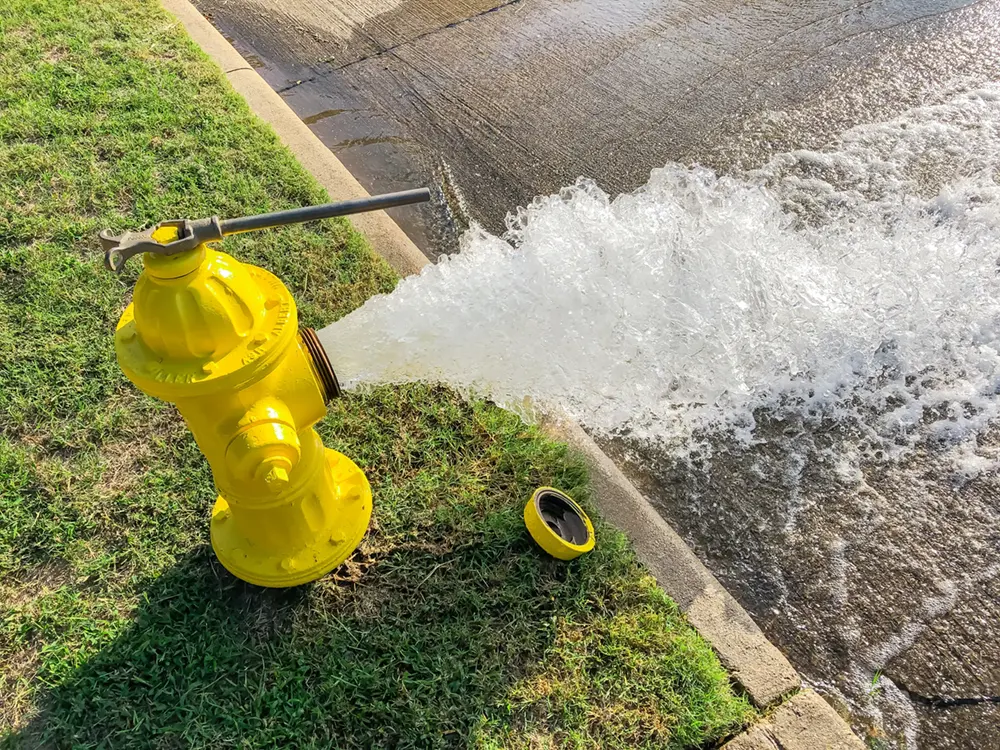
Water emergencies can disrupt essential services, delay construction, and strain public resources. As a result, emergency bulk-water loading has become an important part of municipal water planning. Recent events in Calgary and Grand Canyon National Park show why reliable water access matters. Both cases also highlight the need for emergency water continuity when normal supply systems face limits. In Calgary, officials restricted potable water use while offering temporary non-potable water for approved business activities. Meanwhile, Grand Canyon officials sought large volumes of hauled drinking water to support park operations. These events reveal how controlled public-agency water distribution can help protect limited supplies. They also show why emergency bulk water access management matters during a crisis.
Municipalities must know who receives water, how much they collect, and where that water goes. They also need clear rules staff can enforce as conditions change. Reliable loading points, accurate records, and flexible access controls can support these goals. Together, these measures help public agencies serve essential users while protecting water supplies.
Calgary’s Water Restrictions Highlight the Need for Temporary Non-Potable Water
On November 4, 2026, Calgary introduced Stage 4 water restrictions while crews worked on the Bearspaw South Feeder Main. The city limited potable bulk-water access to essential uses, including health and safety needs. However, construction crews and other businesses still needed water for daily operations.
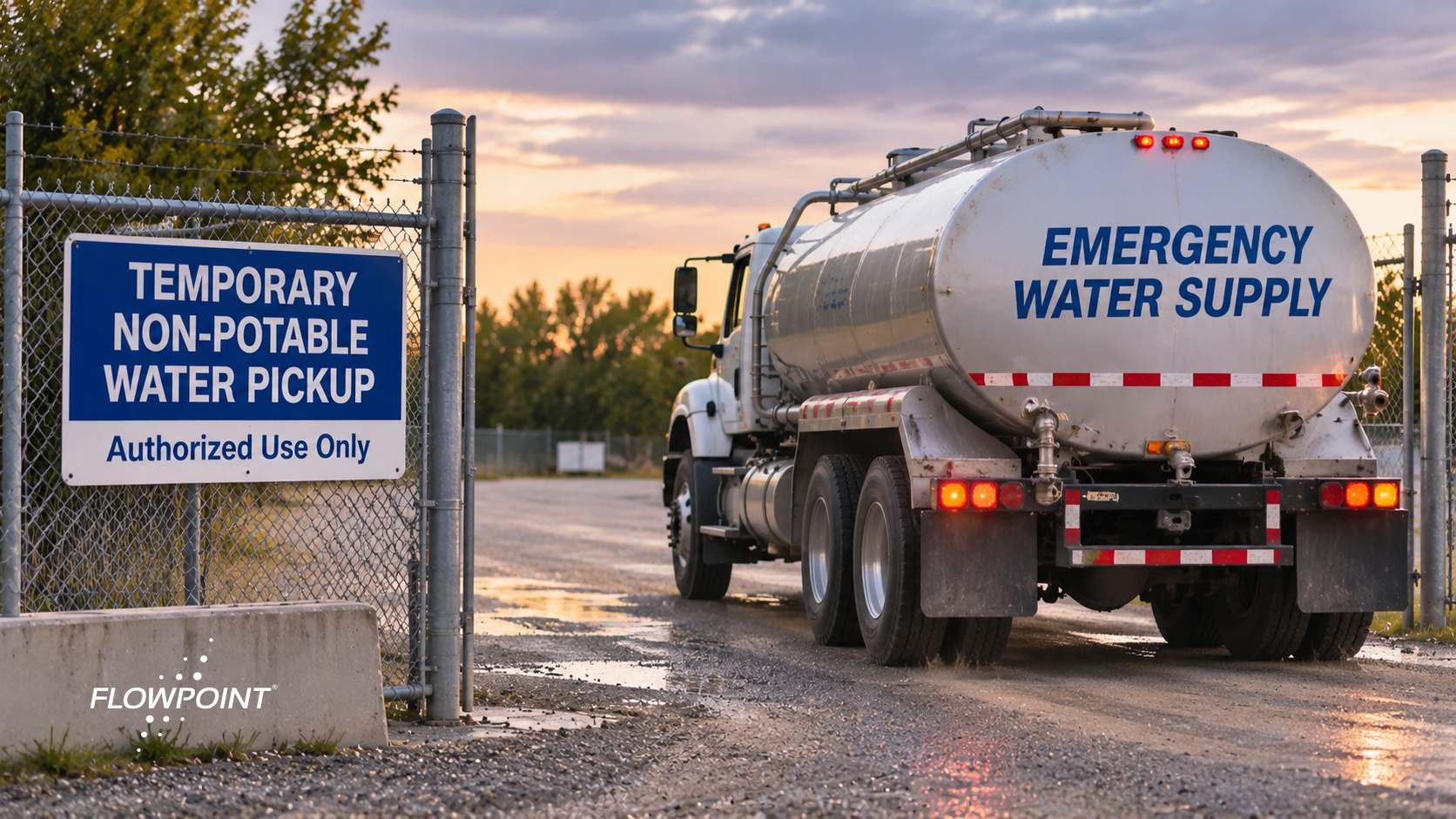
To address this challenge, Calgary opened a free river-water pickup point at Ogden Boat Launch. Businesses could collect temporary non-potable water for construction and landscaping uses. This alternative helped reduce demand on the city’s drinking water system.
Calgary also required businesses to provide their company name, vehicle details, intended use, and estimated water volume. As a result, officials could identify users and gather information about water withdrawals. The city’s Stage 4 water restrictions guidance also warns that violations may lead to fines or loss of bulk-water access.
Why Temporary Non-Potable Water Matters During Restrictions
Not every task requires drinking-quality water. For example, dust control, grading, and some landscaping activities can use suitable alternative supplies. Therefore, temporary non-potable water can help businesses continue approved work without drawing from protected drinking-water supplies.
Still, agencies must keep potable and non-potable systems clearly separate. Proper signs, safe connections, and suitable backflow protection help reduce the risk of misuse. Staff must also explain which activities qualify for each source.
Calgary’s response shows how water restrictions can go beyond simple conservation messages. Instead, municipalities can pair clear rules with practical access to alternative supplies.
Emergency Water Continuity: Lessons from Grand Canyon National Park
Water shortages can also threaten remote public facilities. At Grand Canyon National Park, damage to critical supply infrastructure created an urgent need for hauled drinking water. The National Park Service responded by seeking contractors to treat, haul, test, and deliver potable water.
An October 2026 federal solicitation called for an initial 500,000 gallons of drinking water. Furthermore, optional quantities could raise the total to two million gallons. These volumes show the scale of the response needed to support essential operations.
The procurement also covered water quality, transport, and delivery to storage infrastructure. As a result, emergency water continuity required far more than finding available tanker trucks. It required a coordinated supply chain with clear service standards.
Why Emergency Water Continuity Requires Planning
Emergency hauling can help restore supply when fixed infrastructure cannot meet demand. However, agencies must identify safe water sources before trucks begin loading. They also need suitable storage, clear delivery routes, and reliable water quality checks.
For remote facilities, travel time and weather can create further challenges. Therefore, emergency water continuity plans should account for delays, changing demand, and backup supply options. Regular reviews can help teams identify gaps before an actual crisis.
The Grand Canyon case offers a useful lesson for municipalities, parks, and remote communities. A strong response depends on planning each step, from source selection through final delivery.
How Emergency Bulk-Water Loading Supports Essential Services
During a shortage, every available loading point matters. Emergency bulk-water loading lets approved haulers collect water from a suitable source. Yet reliable access alone does not guarantee a well-run operation.
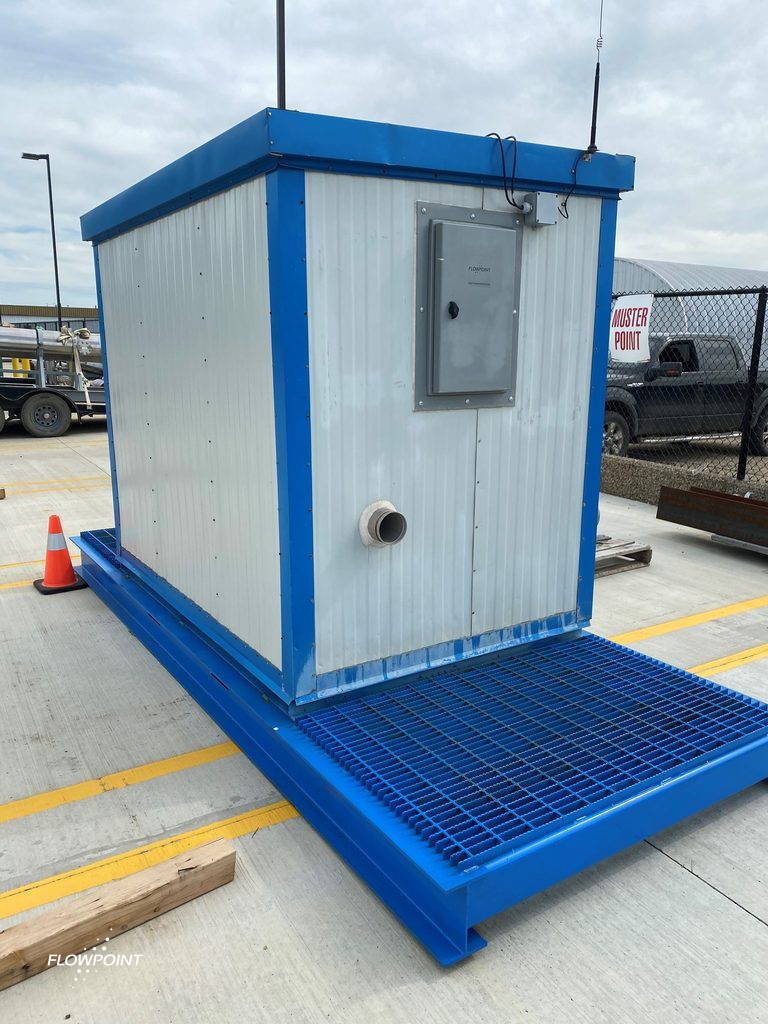
First, agencies need enough fill capacity to serve the expected truck volume. Next, they must consider traffic flow, connection sizes, and safe loading areas. They should also review how quickly trucks can enter, fill, and leave the site.
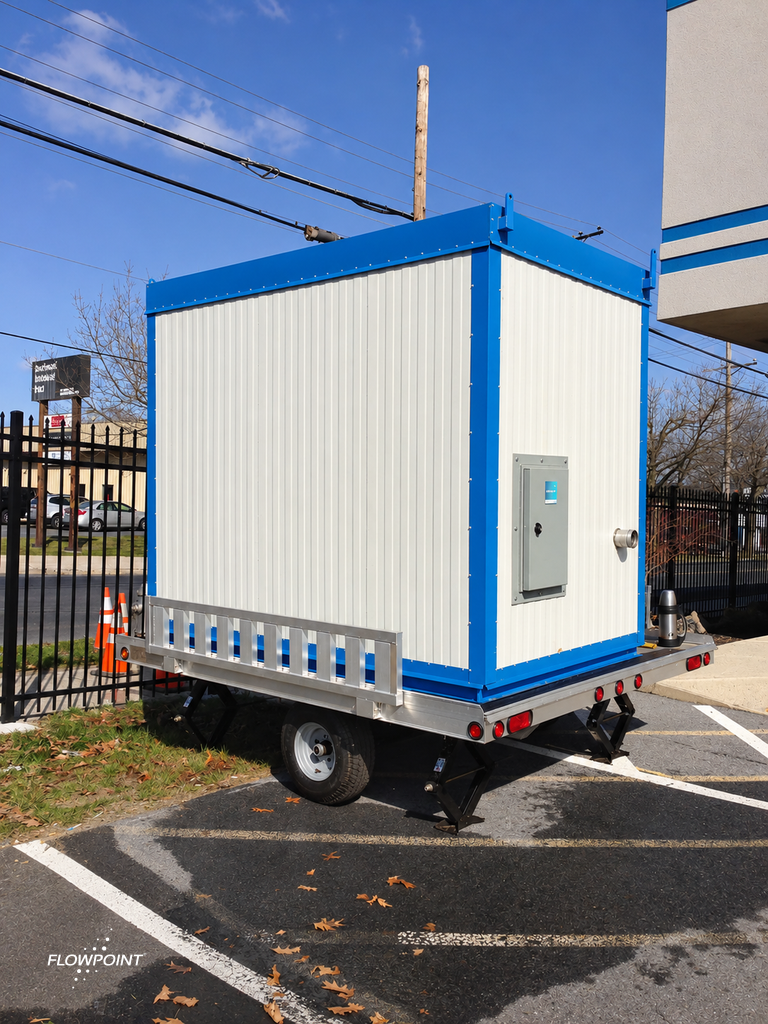
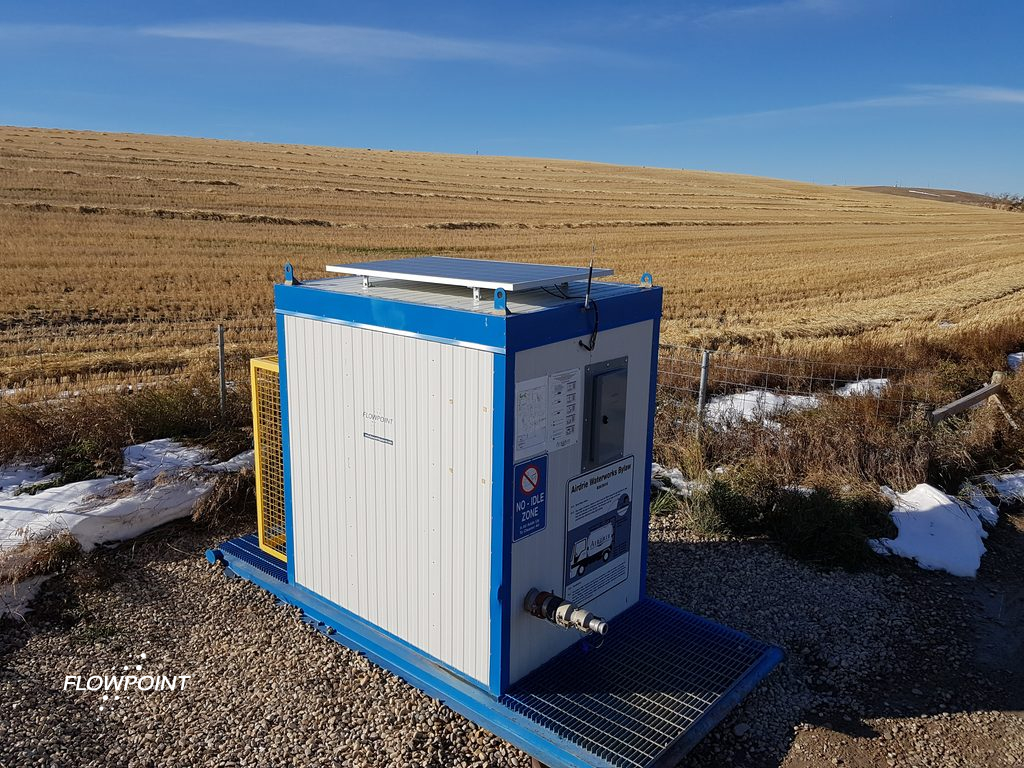
A poorly planned loading point can create delays when demand rises. In contrast, suitable equipment and clear operating rules can support a smoother process. Municipalities can explore bulk water dispensing station options when reviewing these needs.
Planning Emergency Bulk-Water Loading Capacity
Loading capacity depends on more than pump size. For example, pipe limits, source supply, storage levels, and truck connections can affect fill times. Therefore, planners should review the complete loading process rather than one equipment rating.
Multiple fill points may help when several trucks need water at once. However, each site requires a review of available supply and safe operating conditions. Backup power and communication options may also matter during outages.
Ultimately, agencies should match their loading plans to realistic demand. This approach can help them avoid long queues and protect the wider water system.
Controlled Public-Agency Water Distribution Protects Limited Supplies
When water becomes scarce, access rules may change quickly. Some users may need immediate service, while others must reduce or stop withdrawals. Consequently, controlled public-agency water distribution helps agencies apply these rules more consistently.
A controlled loading system can identify approved customers before allowing water to flow. It can also record transaction dates, station locations, and dispensed amounts. These records give staff a clearer view of water use.
For example, a municipality may need to limit access for certain customer groups. Alternatively, it may need to adjust volume limits during a supply shortage. Automated bulk water management offers a framework for handling access, metering, and reporting.
Better Records Support Controlled Public-Agency Water Distribution
Accurate records help agencies explain how they manage limited resources. They also support reviews of water demand, customer activity, and operating costs. Moreover, clear transaction histories can help staff answer questions from residents and public officials.
Controlled public-agency water distribution can also support different rules for different users. For instance, emergency services may receive priority while non-essential users face tighter limits. Staff can then review activity and respond when usage patterns change.
However, automated controls must follow the agency’s approved policies. Technology can help enforce those policies, but public officials remain responsible for the decisions.
Emergency Bulk Water Access Management During a Crisis
Emergency bulk water access management gives utilities a practical way to control withdrawals as conditions change. Rather than relying only on manual checks, staff can use account rules and recorded transactions. This can improve oversight when loading sites face unusual demand.
For example, an agency may need to approve a new hauler quickly. Later, it may need to change that user’s access or volume allowance. Flexible account controls can help staff respond without rebuilding the entire program.
Flowpoint’s Water+ bulk water station software supports customer permissions, volume limits, station management, and usage reporting. These tools can help municipalities manage approved users and review water withdrawals.
Key Features for Emergency Bulk Water Access Management
A useful emergency plan should address user identity, truck activity, and withdrawal records. It should also define who can change access rules and approve exceptions. Clear staff roles can reduce confusion during busy periods.
Emergency bulk water access management should also account for lost internet service or power. Agencies should review backup power, local controls, and any offline functions during system design. Not every station offers the same features, so each configuration needs review.
Finally, teams should test their emergency procedures before a major event. Regular drills can reveal problems with access credentials, reporting, or site operations.
Building Water Resilience Before the Next Emergency
Calgary and Grand Canyon faced different water challenges, yet both needed reliable ways to keep water moving. Calgary protected drinking-water supplies while offering an alternative source for approved uses. Meanwhile, Grand Canyon relied on emergency hauling to support its potable water needs.
These examples show why municipalities should plan beyond normal daily demand. They need clear supply options, safe loading sites, and dependable operating records. They must also know how to adjust access when conditions change.
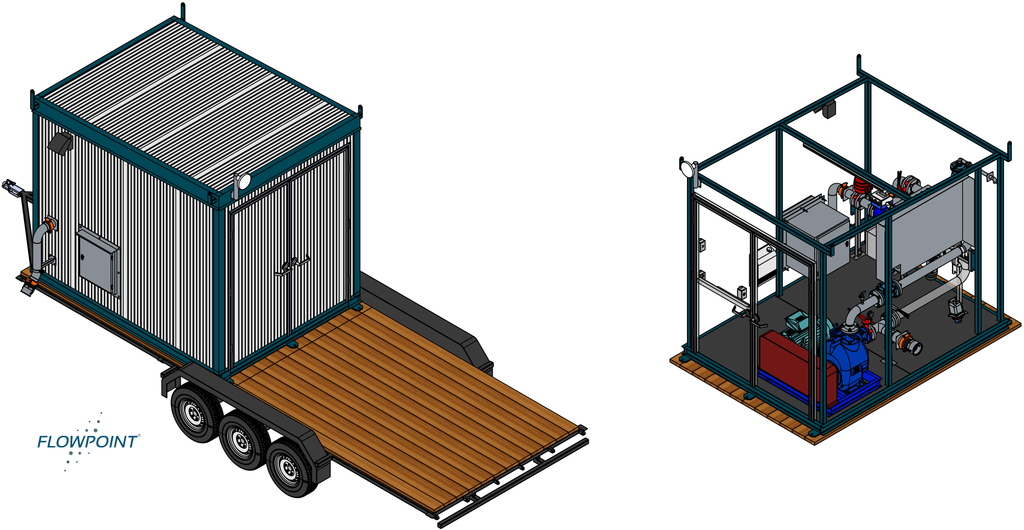
Long-term resilience may also require better storage and support systems. For example, Flowpoint’s integrated modular water treatment and storage case study shows how one remote community addressed water infrastructure needs. Although that project was not an emergency hauling program, it highlights the value of coordinated infrastructure planning.
Ultimately, emergency bulk-water loading works best as part of a broader water response plan. Reliable equipment, clear policies, and accurate data can help agencies protect essential services. With the right preparation, municipalities can respond to water disruptions with greater control and confidence.
Flowpoint helps public agencies manage the loading and accountability side of bulk-water operations. Its dispensing systems and Water+ software support controlled access, metering, and transaction records. For agencies planning future upgrades, contact Flowpoint to discuss suitable station configurations and operating needs.